REVIEW · SEMINYAK
Bali Benoa Shore Excursion for cruise’s passenger – All Inclusive
Book on Viator →Operated by Bali Charm · Bookable on Viator
One day. Big Bali energy.
This shore excursion is built for cruise schedules, so you’re not stuck in “waiting around” mode. You get picked up at Benoa Harbour, then head into central Bali for classic Hindu sights and famous landscapes, plus a few crafts stops that make the day feel more real than a checklist. I like that it’s all-inclusive in the practical sense: admission tickets, lunch, bottled water, and fees are handled, so you can spend your time looking up, not digging for cash.
I also love how the day blends spirituality and everyday Bali life. You start with Puseh Batuan Temple (with its coconut-fiber roof and ancient roots), then move to waterfalls, coffee and plantations, rice terraces shaped by traditional irrigation, and art villages. One thing to consider: Bali traffic can be heavy around Ubud, and that can affect how tightly you keep to every stop if your day hits peak congestion.
In This Review
- Key highlights before you go
- Meeting Your Driver at Benoa Harbour (and staying calm)
- Puseh Batuan Temple: Ancient Bali you can read with your eyes
- Tegenungan Waterfall: Swim time, or just chase the photos
- Uma Pakel Agro Tourism: Coffee, ginger tea, plantations, and swings
- Tegalalang Rice Terraces: The view is famous for a reason
- Celuk Village for gold and silver work (hand skills, not mass souvenirs)
- Lunch at Ceking Rice Terrace: Food with a view (and less rush)
- Legong Fine Art of Batik: Weaving and pattern work you can spot
- Price and value for a 7–8 hour cruise day
- Timing reality: traffic can change how the day feels
- Who should book this Bali Benoa shore excursion
- Should you book Bali Charm’s Benoa shore day?
- FAQ
- How do I find the driver at Benoa Harbour?
- What does the all-inclusive price cover?
- How long is the shore excursion?
- Is this tour private or shared?
- What stops are included during the day?
- Is there a lunch included, and where do you eat?
- What’s the cancellation rule?
Key highlights before you go

- Name-sign port pickup at Benoa Harbour, so you’re not wandering the dock stressed.
- Puseh Batuan Temple: old-school architecture details and a strong sense of place.
- Tegenungan Waterfall: a fun stop for photos and a swim option (if conditions allow).
- Uma Pakel Agro Tourism: coffee/tea tasting plus a swing challenge for the brave.
- Tegalalang + Ceking rice terraces: views paired with the traditional subak irrigation idea.
- Celuk + Legong craft stops: gold/silver work and hand-made batik weaving for more than postcard photos.
Meeting Your Driver at Benoa Harbour (and staying calm)
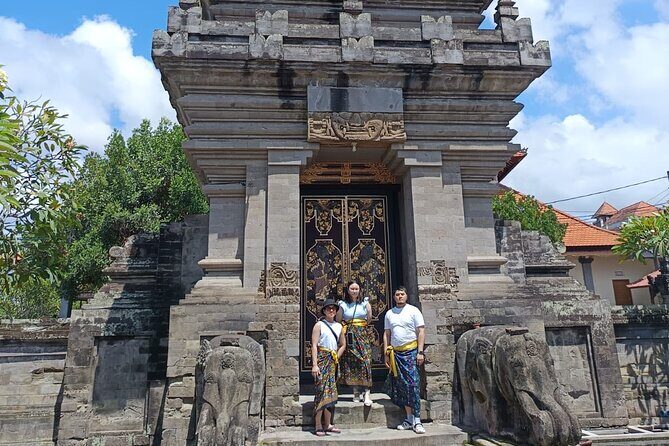
For cruise days, the first win is simple: your driver meets you at Benoa Harbour with a sign showing your name. That sounds basic, but it matters. In a port setup, you want to get your bearings fast, load into a clean air-conditioned vehicle, and leave without the “where do I go?” scramble.
This tour is described as a private activity, meaning you’re traveling as just your group. That helps with timing. You’re not competing with other buses for the same narrow roadside spots, and your driver can adjust pacing when the street gets messy.
Also pay attention to the language part: the driver-guide is listed as either English or Japanese speaking. In practice, this is the difference between hearing a quick “this is a temple” and getting actual context on what you’re seeing—especially at the temple and rice-terrace stops.
If you're still narrowing it down, here are other tours in Seminyak we've reviewed.

Puseh Batuan Temple: Ancient Bali you can read with your eyes
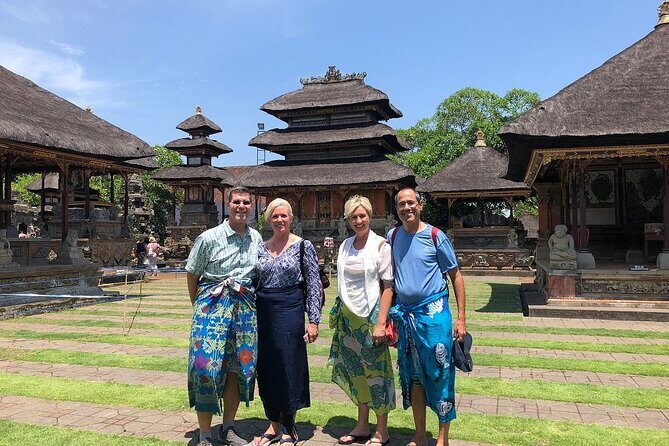
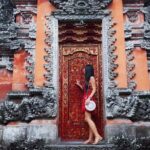
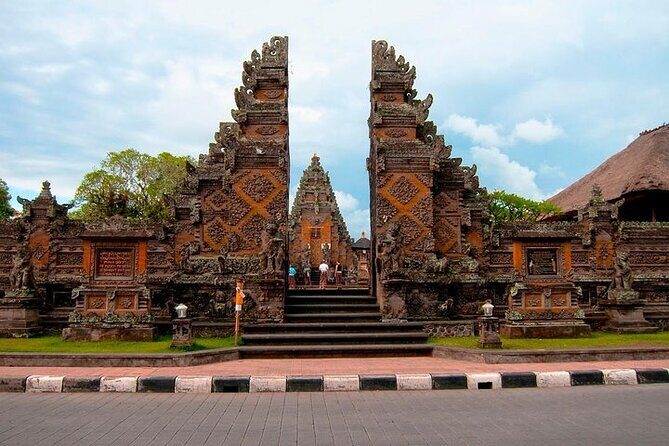
The day begins with Benoa Harbour, then heads to Puseh Batuan Temple, often described as the oldest temple on Bali. The details here are what make it click.
You’ll hear that the temple design uses Balinese ornaments, and the roof is made from coconut-fiber material with a distinctive black color. It’s also described as strategically located along the main road connecting Denpasar and Ubud. That “on-the-way” placement is part of why people remember it: it doesn’t feel like a staged attraction. It feels like something locals pass and relate to every day.
The temple is tied to the Balinese concept of Tri Kahyangan / Tri Murti, and it’s dated to around 1020 AD (the info provided includes “944 Isaka or 1020 AD”). Whether you care about exact calendars or not, that age gives the stop weight. You’re not just snapping a photo and moving on—you’re stepping into a place where the building language and ceremony purpose matter.
Practical tip: temples can be cooler and shaded, but you should still keep water handy, respect the space, and plan for time to walk a bit. If you’re prone to getting temple-walk fatigue fast, tell your driver early so pacing stays comfortable.
Tegenungan Waterfall: Swim time, or just chase the photos
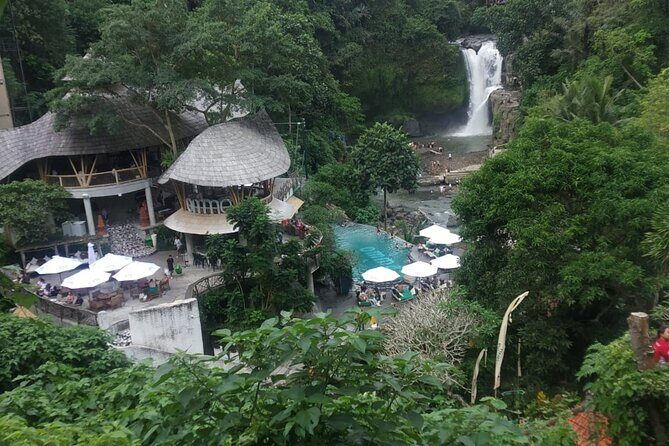
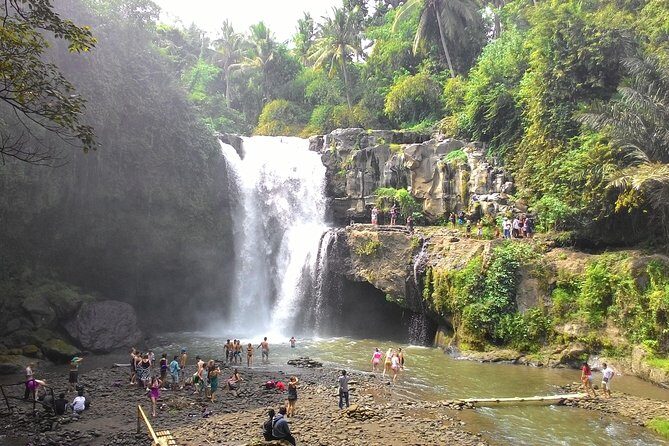
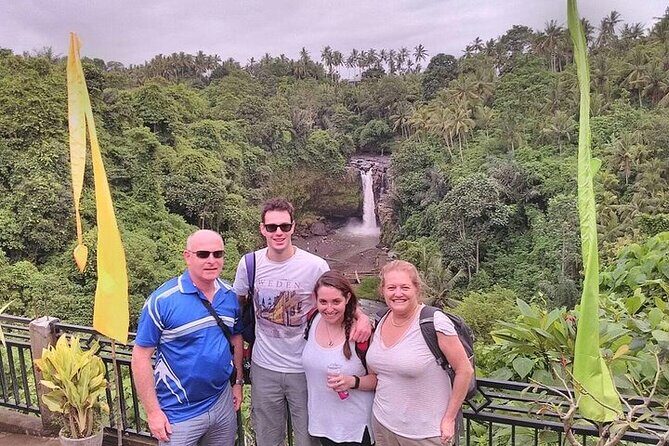
Next up: Tegenungan Waterfall, near Ubud. This stop is built for two different moods. You can take photos and enjoy the view, or you can go for water play and a swim-like break (the tour description clearly points to swimming and playing in the water).
This is one of those places where your experience depends on how the group feels and how the water area is running that day. If you’re there mainly for photos, you’ll still want to give yourself a few extra minutes for the best angles—waterfalls look different depending on where the light hits and how crowded the viewing spots get.
Downside to consider: waterfalls can mean wet surfaces and slippery steps. Wear shoes that handle real ground, not just “nice vacation sandals.” Your driver may help you plan the flow, but you’re the one walking.
Uma Pakel Agro Tourism: Coffee, ginger tea, plantations, and swings
After the waterfall, you shift to a calmer, slower kind of Bali: Uma Pakel Agro Tourism. This is where the tour leans into everyday food plants and the “how do they make it?” side of the island.
You’re shown a range of tropical plantations—robusta coffee, pineapple, Balinese snake fruit (salak), Balinese potatoes, fruit star, cacao, jackfruit, durian trees, and more. The practical part is that you’re not only looking at plants. The stop includes a traditional-style way to make Balinese coffee, plus tasting coffee and ginger tea with views of a river and valley.
Here’s a bonus you might like if you’re a coffee person: some cruise passengers specifically mention trying luwak (cat) coffee and seeing how the process works. Even if you’re not a coffee nerd, the tasting element is a fun, short way to connect Bali’s agriculture to your own day-to-day life back home.
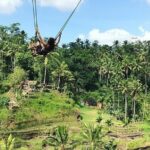
And if you want the “prove it” moment, the tour info mentions you can try a swing here for those who want a challenge. That’s not for everyone, but it’s a good option if your group likes active stops.
Tegalalang Rice Terraces: The view is famous for a reason
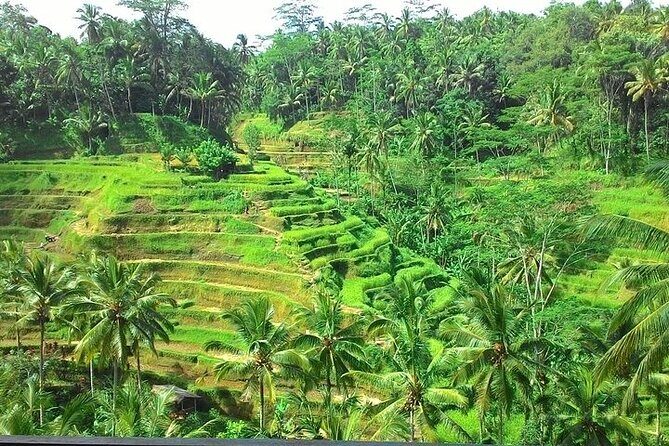
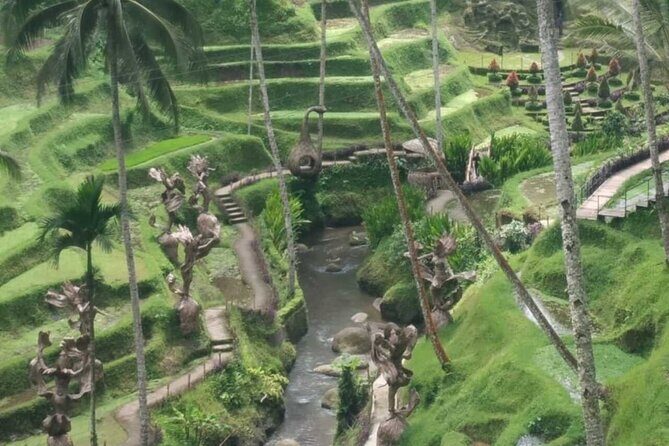
Then it’s on to Tegalalang Rice Terrace, one of Bali’s best-known rice scenes. The big payoff is visual. The overlook spreads down before you into terraces across the valley.
But don’t skip the meaning. The tour description points to subak, the traditional Balinese cooperative irrigation system. Even if you only catch the highlights, the idea helps you understand why these terraces don’t feel like generic scenery. They’re tied to how people manage water together, season after season.
You get about an hour here, and that’s enough for photos and a slow wander. The roadside location is noted as cool and breezy, and you’ll also find art kiosks and cafés near the ledge.
Consideration: this is one of the stops where crowds can show up on Bali days. If your group hates shoulder-to-shoulder photo lines, aim to walk slightly away from the busiest edge and take your time with smaller angles.



Celuk Village for gold and silver work (hand skills, not mass souvenirs)
Next comes Celuk Village, an art village known for gold and silver jewelry. This stop is a useful change of pace because it’s not only about views. It’s about craft.
In an area like Celuk, you can often see how attention to detail shows up in the work—especially if the artisans explain what they’re doing and how long it takes. The tour gives you an hour, which is enough to browse, watch, and maybe pick a piece that feels handmade rather than generic.
If you’re price-checking: jewelry is one of those categories where you should take your time, compare, and decide based on how you feel about the craftsmanship—not based on the first price tag.
Lunch at Ceking Rice Terrace: Food with a view (and less rush)
Lunch is served at Ceking Rice Terrace, with an Indonesian menu and rice terrace views. This is a smart stop for cruise passengers. It gives you a breather without wasting the view time.
The food is described as an included lunch, and in at least a few accounts the meal was considered delicious. You can expect a real Indonesian-style meal rather than just a snack. The terrace view helps too—sitting down after driving is when Bali actually feels like a holiday.
Timing note: lunch stops help keep the whole day balanced. But if you’re traveling with motion sickness, tell your driver ahead of time. The driving times between stops and the winding roads can affect people differently.
Legong Fine Art of Batik: Weaving and pattern work you can spot
After lunch, you head to Legong Fine Art of Batik, where you’ll see a batik collection and hand-made weaving. This is where the day’s “Bali culture” theme stops being abstract and becomes hands-on.
Batik is all about pattern, labor, and repeat work. Even if you don’t understand every step, seeing weaving and the batik display helps you grasp why these pieces can look so specific and meaningful. It’s also a good place for shopping if you like textiles, because batik is not just a souvenir—it’s a craft with recognizable signatures.
My practical advice: if you buy, ask what makes the piece special in their process. The value often shows up in detail and time, not just in the final look.
Price and value for a 7–8 hour cruise day
The price is $60 per person, and the tour is framed as all-inclusive for cruise passengers. For a day that covers multiple paid admissions, a full driver-guide, and lunch, that can be strong value—especially compared to building the same day yourself with separate tickets and transfers.
What you’re really paying for is time management. A cruise stop gives you limited hours, and Bali’s road traffic can swallow plans fast. A structured driver-led day with admission tickets included means you spend less time on “paperwork and payment,” and more time experiencing temples, terraces, and craft work.
Also, this tour is described as most commonly booked about 56 days in advance. That’s a useful hint: if you’re sailing soon, don’t procrastinate.
Timing reality: traffic can change how the day feels
A gentle truth about Bali is that traffic can be intense, especially on routes toward and around Ubud. The tour’s hour blocks help, but your final pace still depends on road conditions.
Here’s how you handle it: trust the driver, but ask for a clear plan for getting back to the ship on time. Your driver is expected to manage the schedule, and multiple guides are praised for patient driving and checking logistics. Still, you should mentally prepare for the day to feel more like “flow with the roads” than “every stop exactly on the minute.”
If your group has zero flexibility—like you must be at the waterfall at a specific minute—tell your driver early. Otherwise, you’ll get the best experience by treating the day as a guided day, not a strict itinerary.
Who should book this Bali Benoa shore excursion
This tour is a great fit if you want:
- A first-time Bali sample that covers temples, waterfall, rice terraces, and crafts in one day.
- Cruise-friendly pacing where you don’t want to plan transport and ticket stops from scratch.
- A private setup where your group can move at a comfortable speed, with a driver-guide who explains what you’re seeing.
It’s also a good match for couples and small families who want an efficient “see the highlights” day, without the stress of large group logistics.
Should you book Bali Charm’s Benoa shore day?
I’d book this if you’re short on time and want a high-structure, high-value day. The biggest selling points are the cruise port pickup ease at Benoa, the hands-on culture stops (temples, batik, jewelry), and the fact that admission and lunch are handled.
Skip it (or consider a lighter plan) if your group hates vehicle time or can’t handle surprises like slow traffic. Waterfall and terrace stops are great, but the day depends on road flow. In a place like Bali, patience is part of the bargain.
If you do book, pick the priorities early: tell your driver what you care about most—temple details, coffee tasting, rice views, or batik—and let them steer the pacing within the day.
FAQ
How do I find the driver at Benoa Harbour?
You meet your driver at Benoa Harbour by finding the guide or driver holding a sign with your name. Go to the guide/driver meeting area, then look for your sign.
What does the all-inclusive price cover?
The tour includes lunch, bottled water, private return transfer, air-conditioned vehicle, English or Japanese speaking driver cum guide, and all fees and taxes. Admission tickets are also included for the stops listed.
How long is the shore excursion?
It runs about 7 to 8 hours.
Is this tour private or shared?
It’s private. Only your group participates.
What stops are included during the day?
You’ll visit Benoa Harbour, Puseh Batuan Temple, Tegenungan Waterfall, Uma Pakel Agro Tourism, Tegalalang Rice Terrace, Celuk Village, Ceking Rice Terrace for lunch, and Legong Fine Art of Batik.
Is there a lunch included, and where do you eat?
Yes. Lunch is included at Ceking Rice Terrace, and it’s an Indonesian menu served with rice terrace views.
What’s the cancellation rule?
You can cancel up to 24 hours in advance for a full refund.
If you tell me your cruise arrival time and how many people are in your group, I can help you sanity-check whether this 7–8 hour format will feel relaxed or tight for your day.