REVIEW · SEMINYAK
Bali Culture and Choose Your Bali Tour Route in Bali with Bali driver-Free WIFI
Book on Viator →Operated by Hire Bali Best Driver · Bookable on Viator
Bali in one long day of stops. This tour is built for the short-timer who still wants variety: you get a private driver who helps shape your day, plus free Wi‑Fi so you can coordinate plans (or just post the views). Starting around Seminyak, you can move from Ubud-style culture to cliff temples, beaches, and big-name landmarks without spending your holiday stuck in maps.
My favorite part is how practical it feels for real vacation time. You’re not buying into a fixed script—you choose your Bali tour route from a menu of temples, rice terraces, waterfalls, and coast stops. The other thing I like: the car setup is comfortable (air-conditioned) and the driver handles the logistics that normally eat a day.
One drawback to plan for: tickets and lunch are not included, and traffic can squeeze time. If you stack too many “popular” stops back-to-back, you’ll feel the clock.
In This Review
- Key Things I’d Watch Before You Book
- Seminyak Pick-Up, AC Comfort, and Free Wi‑Fi in the Car
- How to Choose Your Bali Tour Route From This Stop Menu
- Ubud Highlights: Monkey Forest, Ubud Art Market, Tegalalang, and Campuhan Ridge Walk
- Sacred Monkey Forest Sanctuary (Monkey Forest)
- Ubud Traditional Art Market
- Tegalalang Rice Terrace
- Campuhan Ridge Walk
- Water Temples and Tegenungan Waterfall: Tirta Empul and the Holy Spring Moment
- Tirta Empul Temple
- Tegenungan Waterfall
- Beaches and Sea Effects: Nusa Dua, Water Blow, Dreamland, Padang Padang, Melasti, and Pasir Putih
- Nusa Dua Beach
- Water Blow
- Pantai Dreamland
- Padang Padang Beach
- Pantai Melasti Ungasan
- Pantai Pasir Putih
- Sanur Beach (including the promenade vibe)
- Uluwatu Temple, Kecak and Fire Dance at 6pm, and a Perfect Jimbaran Sundown
- Uluwatu Temple
- Kecak and Fire Dance
- Garuda Wisnu Kencana Cultural Park
- Jimbaran Bay
- Photo-and-Culture Stops: Tanah Lot, Garuda Wisnu Kencana, Handara Gate, and Wanagiri
- Tanah Lot Temple
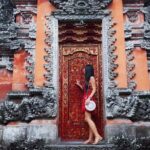
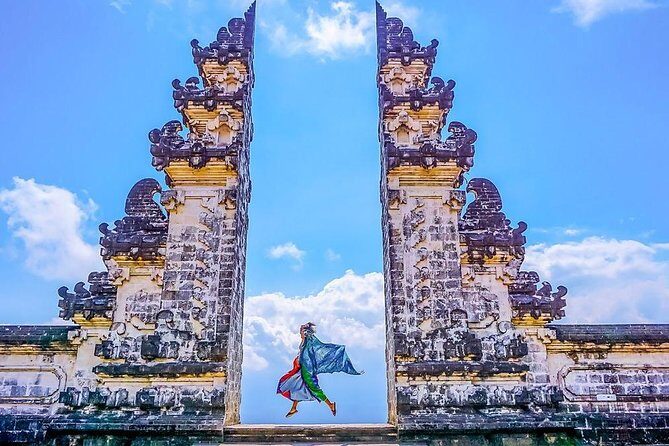
- Handara Iconic Gate
- Wanagiri Hidden Hills
- Tamblingan Lake
- North and East Bali Options: Jatiluwih UNESCO, Ulun Danu Bratan, Lempuyang, Tirta Gangga, and Ujung
- Jatiluwih Green Land (UNESCO rice terraces)
- Ulun Danu Beratan Temple
- Lempuyang Temple
- Tirta Gangga
- Ujung Water Palace
- Markets and Sanur Rhythm: Sanur Morning Market and a Better Pace
- Sanur Morning Market
- Sanur Beach Promenade
- Price and Value: What $30 Per Person Covers (and What Doesn’t)
- Safety, Driver Flexibility, and How to Get the Best Version of Your Day
- Should You Book This Bali Driver Route?
- FAQ
- How long is the Bali tour route?
- Where is pickup available?
- What’s included in the price?
- What’s not included?
- Is this a private tour or a group tour?
- Can I cancel if plans change or if weather turns bad?
Key Things I’d Watch Before You Book
- Route menu, not a rigid script: pick from temple, rice terrace, waterfall, and beach options that fit your mood.
- Free Wi‑Fi in the car: handy when you want to check plans, messages, or just kill time during driving.
- Most stops run about an hour: you’ll see a lot, but you won’t linger everywhere.
- Tickets and meals are on you: entrances add up, and lunch isn’t part of the price.
- Good weather helps: some experiences depend on conditions, and the tour expects you’ll have workable outdoor time.
Seminyak Pick-Up, AC Comfort, and Free Wi‑Fi in the Car
Starting from Seminyak matters. It keeps the first “hours lost to commuting” short, so you spend more time at sights and less time rolling through Bali traffic. You also get free hotel pick-up or airport pick-up, plus an air-conditioned vehicle, which is a big deal when you’re bouncing between heat, sun, and humidity.
I also really value the free Wi‑Fi angle. Between stops, you can message family, check restaurant hours, or look up the next temple name so you know what you’re walking toward. It’s not about tech for tech’s sake—it’s about getting your day to feel smoother.
Your day is private, meaning only your group rides along. That’s good when you want flexibility (extra time for photos, fewer stops, or swapping in something you care about more). Just remember: private also means you’re responsible for communicating your priorities clearly early.
If you're still narrowing it down, here are other tours in Seminyak we've reviewed.


How to Choose Your Bali Tour Route From This Stop Menu
Think of this like a “highlights buffet,” not one single itinerary. The tour runs about 8 to 10 hours, and many of the stops are listed as roughly an hour each. In practice, that usually means you’ll choose around 8 to 10 highlights, depending on travel time and how long you actually want to stay.
Here’s a simple way to pick your route:
- If you want culture + classic views, you’ll likely lean toward Ubud (Monkey Forest, Tegalalang) and temple stops like Tirta Empul.
- If you want cliff-edge drama and sunsets, plan for Uluwatu (and the Kecak performance timing) plus beaches along the south coast.
- If you want big scenery without long museum-style wandering, you’ll probably mix rice terraces (Tegalalang, Jatiluwih), lake viewpoints (Bratan area, Tamblingan), and gates/temples like Handara and Lempuyang.
Also, be honest about your energy. Waterfalls and beaches can be great, but they also mean stairs, sand, and camera time. If you choose too many “active” stops, the last half of the day can feel rushed.
Ubud Highlights: Monkey Forest, Ubud Art Market, Tegalalang, and Campuhan Ridge Walk
Ubud is the part of Bali that feels like a different world. You get temples, crafts, rice paddies, and lots of chances to slow down—if you don’t overload the schedule.
Sacred Monkey Forest Sanctuary (Monkey Forest)
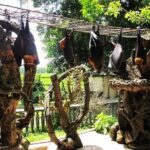
This is a tropical rain-forest sanctuary with lots of shade and more than 700 monkeys. There are three temples inside, so it’s not just about monkeys—it’s also about sacred sites within the forest.
The practical tip here is simple: keep your stuff secure. Monkeys are cheeky, and you don’t want snacks, hats, or dangling bags inviting trouble. Expect it to be busy in parts, and plan to move carefully around the paths.
Ubud Traditional Art Market
The market area is surrounded by small farms and rice paddies, and it’s packed with art shops and local artisan goods. This is your chance to browse without feeling like you’re in a “one-size-fits-all” souvenir lane.
If you like handmade items, look closely at what’s actually made there (textiles, woodwork, and small crafts). Don’t rush this stop if you care about shopping—an hour can go fast once you start browsing.



Tegalalang Rice Terrace
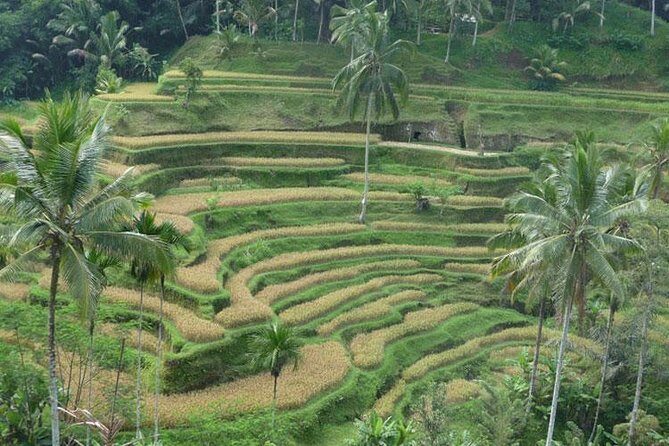
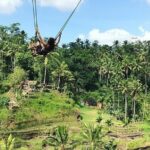
This is the postcard rice-terrace stop, with green paddies and classic viewpoint areas. One of the big modern attractions here is the swing over the fields, which is popular and very Instagram-friendly.
Here’s the catch: the swing area can be busy, and the heat can sneak up on you. Wear something comfy for uneven ground and bring water. The view is worth it, but don’t treat it like a quick photo and move on—you’ll want time to look around.
Campuhan Ridge Walk
This is a well-known Ubud ridge walk with calmer vibes and lots of open views. The route is often appreciated because it gives you scenery without the long scramble feeling.
If you like walking at your own pace, this is a good “balance stop” between temples and viewpoints. If you’re not into walking, you might prefer a shorter photo stop instead.
Water Temples and Tegenungan Waterfall: Tirta Empul and the Holy Spring Moment
Tirta Empul Temple
Tirta Empul means Holy Spring, and the main draw is the holy spring water at the temple’s bathing structures. Balinese Hindus visit for ritual purification, so it’s a spiritual place, not just a sightseeing photo point.
If you’re visiting as a non-participant, be respectful with your body language. Watch what others do, follow staff directions, and keep your camera use in check where it seems disruptive.
Tegenungan Waterfall
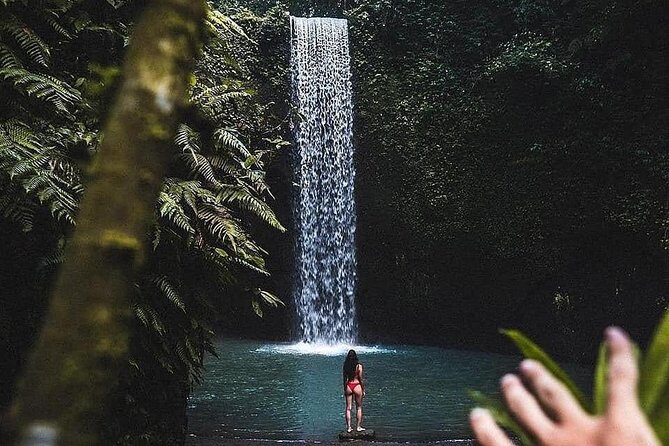
Tegenungan gives you a different kind of Bali payoff: a waterfall with areas that you can reach after descending stairs, and a viewing point near the entrance area.
This stop is better if you don’t mind moving on uneven steps and if you’re comfortable getting near mist and wet surfaces. If you want a more relaxed day, swap in a beach stop instead.
Beaches and Sea Effects: Nusa Dua, Water Blow, Dreamland, Padang Padang, Melasti, and Pasir Putih
Bali’s coast can feel like two different trips: calm beach time and dramatic water-energy time. This route menu gives you both.
Nusa Dua Beach
A popular option for swimming, chilling, and ocean views. If you want “downtime that still feels like Bali,” this fits.
Water Blow
This is a sea spectacle created by water surging up from a narrowing crag. The water can shoot up as high as 30 meters, which is why it’s so eye-catching.
If waves are strong, it’s a show. If conditions are rough, you’ll want to be careful around viewing edges.
Pantai Dreamland
A panoramic coral beach known for wave activity. It’s a good choice if you like ocean scenery with that “big waves today” feel.
Padang Padang Beach
Famous with the surf community, with strong wave quality and the Rip Curl contest held there in July–August (when it’s on). Even if you don’t surf, the wave scene can be exciting.
Pantai Melasti Ungasan
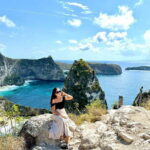
A cliffside beach with clear blue water and coral views. It’s the kind of place where the scenery from the cliff makes the stop feel special, even without a long beach session.
Pantai Pasir Putih
This is on the east side, with turquoise-blue water and fine powdery white sand. There are small restaurants nearby and lounge-chair style relax time.
If you’re building an east-coast day, this can be your “soft landing” after temple or viewpoint stops.
Sanur Beach (including the promenade vibe)
Sanur tends to feel a bit calmer than some other Bali beaches, with a promenade lined with colorful outrigger boats and plenty of cafes and restaurants across the water.
It’s also a great place to spread out a bit if your day has been packed with temples and photo stops.
Uluwatu Temple, Kecak and Fire Dance at 6pm, and a Perfect Jimbaran Sundown
This is the part of the route menu that makes people say Bali has drama.
Uluwatu Temple
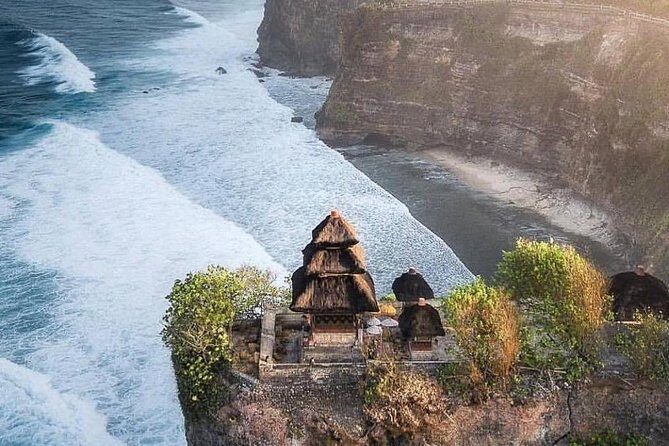
Uluwatu is built on the edge of a 70-meter-high cliff projecting into the sea. It’s the kind of location where the ocean becomes part of the attraction.
Wear shoes you trust on uneven surfaces, and be mindful of sun and wind. Windy cliff evenings can feel colder than you expect after sunset starts.
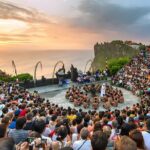
Kecak and Fire Dance
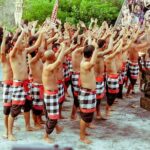
The Kecak performance based on the Ramayana is staged daily at Uluwatu Temple at 6pm. It’s outdoor and designed with sunset in mind, so timing matters.
If you care about seeing this properly, plan your day so you arrive with a buffer. You want time to find a seat and settle in before the show starts.
Garuda Wisnu Kencana Cultural Park
This is a landmark stop: a giant Vishnu statue riding Garuda, as high as 120 meters. This is a “big wow” option when you want something iconic and photo-friendly.
Jimbaran Bay
This is where the sunset meal vibe shines, with grilled seafood at beachside cafes. Even if you’re not a big “food on vacation” person, the setting makes it memorable.
If you’re trying to hit Uluwatu Kecak and then still eat calmly, you’ll want your driver to manage timing well. This is a great place to ask for a realistic sequence that doesn’t turn your meal into a scramble.
Photo-and-Culture Stops: Tanah Lot, Garuda Wisnu Kencana, Handara Gate, and Wanagiri
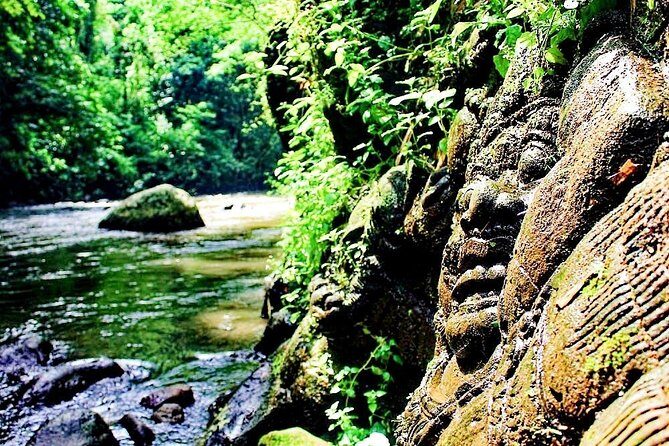
Some Bali stops are more about what you see than what you do. This set is built for that.
Tanah Lot Temple
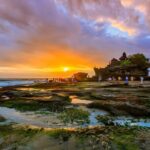
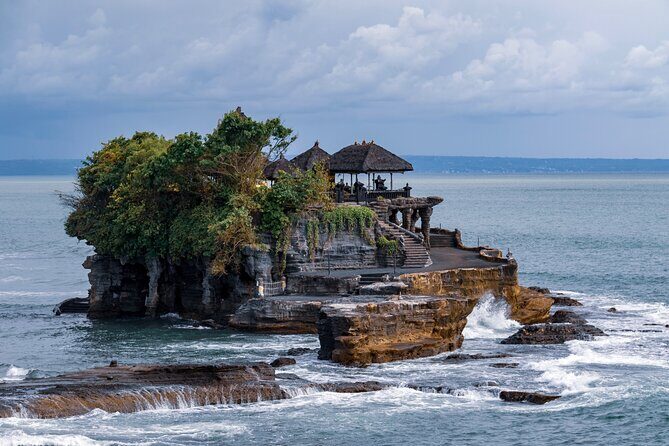
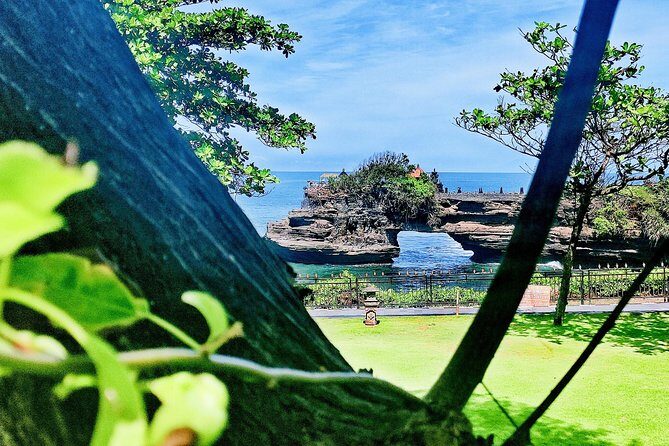
Tanah Lot means Land in the Sea, and the temple sits on an offshore rock shaped by ocean tides. This is one of those places where the environment is part of the structure, so photos look dramatic even before sunset.
Just be careful near edges. Coastal areas can change with tide and wave conditions.
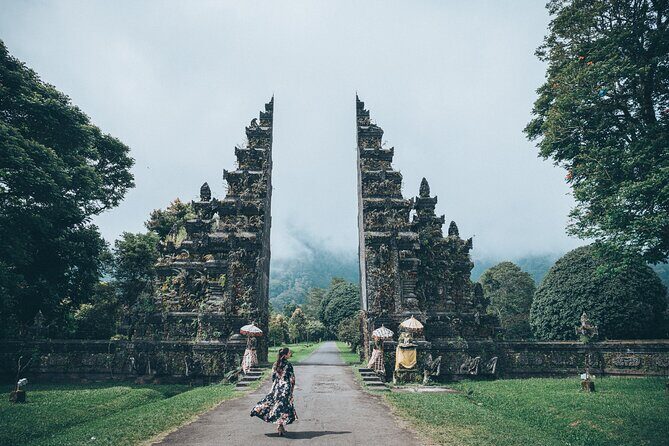
Handara Iconic Gate
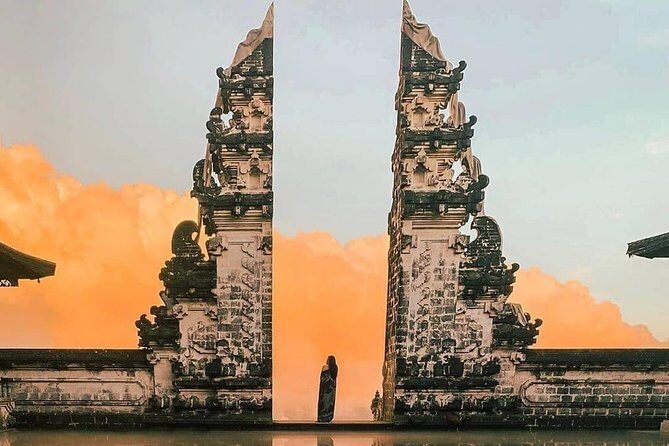
Handara’s big draw is the traditional-style gate with panoramic green scenery in the background. It’s a classic “stand and frame the shot” moment.
If you’re choosing between Handara and another viewpoint gate, consider what you want more: a symbolic Balinese photo or a viewpoint with a wider sweep.
Wanagiri Hidden Hills
Wanagiri is known for viewpoints over the lake and features like a swing over the lake area plus bird-nest-style spots. It’s designed for photographs, and the views can make it feel worth an extra stop.
Tamblingan Lake
This stop focuses on scenic views of the twin lakes area (Tamblingan and Buyan). It’s more about panorama than activities.
North and East Bali Options: Jatiluwih UNESCO, Ulun Danu Bratan, Lempuyang, Tirta Gangga, and Ujung
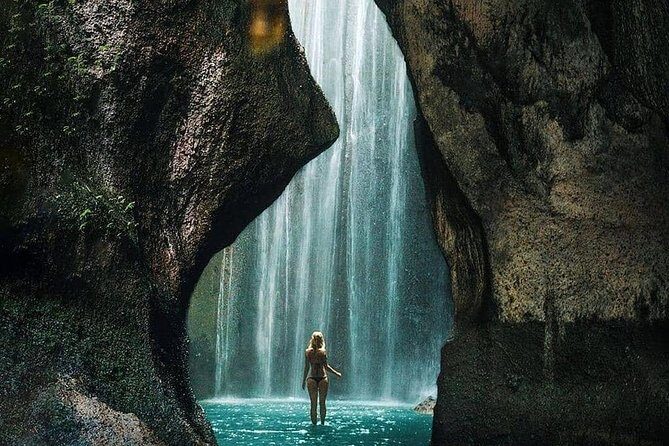
If you want Bali that feels less like a single-town itinerary and more like “several worlds,” these are your picks.
Jatiluwih Green Land (UNESCO rice terraces)
Jatiluwih has terraced rice paddies following the contours of the land, set with the background of Mount Batukaru and Mount Agung. It’s part of the UNESCO cultural heritage world listing.
This is an excellent choice if you want rice-terrace beauty with a bit more scale and space than the most crowded “quick stops.”
Ulun Danu Beratan Temple
Ulun Danu Beratan sits by Lake Bratan at around 1,239 m elevation. The lake is formed by volcanic activity long ago, and the setting is often described as one of the most picturesque temple settings.
Bring layers if it’s cooler up there. Even if you’re sweating on the coast, upland weather can feel different.
Lempuyang Temple
Lempuyang Temple is on the slope of the mountain, with views toward Mount Agung over the clouds. This can be a very spiritual setting and a very photo-driven one.
If cloud cover is thick, you might not get the classic Agung-in-the-sky view. Still, the temple setting is the reason people come.
Tirta Gangga
Tirta Gangga is a water palace with reverence, originally built in 1948. Think garden-water features and a serene pace compared with busy beach stops.
This is a good choice if you want a calm, pretty break.
Ujung Water Palace
Ujung Park (formerly Ujung Water Palace) has three large pools and a Dutch East Indies era connection. It’s a “water and symmetry” kind of stop that can feel relaxing in the middle of a long day.
Markets and Sanur Rhythm: Sanur Morning Market and a Better Pace
Not every stop needs to be a photo contest.
Sanur Morning Market
This is a traditional morning market where you’ll see how locals shop and move. It’s a solid option if you want everyday Bali flavor instead of only temple and terrace scenes.
If you go early, you’ll often find it easier to take your time without feeling like you’re fighting big crowds.
Sanur Beach Promenade
Pairing the market with the promenade is a smart pacing trick. You can swap “shopping and bustle” for “walk and people-watch,” then eat whenever you feel ready.
Price and Value: What $30 Per Person Covers (and What Doesn’t)
At $30 per person for a 8–10 hour day, the value is mainly about transportation and time. You’re paying for an air-conditioned car, private transport, fuel surcharge, parking fees, and free pick-up. You also get bottled water, and you can use the free Wi‑Fi during transit.
Where the budget can grow: lunch and entrance tickets are not included. So your total cost depends on which temple or attraction entrances you choose. If you’re planning on several ticket-based stops, set aside some extra money so you don’t get surprised mid-day.
Also, this is best when you use the private format well. If you try to squeeze in too many distant stops far outside your starting area, travel time eats the day. A smart route mix makes the price feel like a win.
Safety, Driver Flexibility, and How to Get the Best Version of Your Day
In the best versions of this tour, the driver works like a true day-coach: shows up on time, drives safely, and explains what you’re going to next. Guides such as Putu, Yoga, Juliana, and Ketut show up in the guide feedback patterns, and the common thread is flexibility—adjusting the route when your priorities change.
Still, I’d be honest: any private driver day has a human element. One unhappy situation described a conflict over schedule changes and a feeling of unsafe behavior. I can’t judge that case from the outside, but you can protect yourself with basic steps:
- Tell your priorities clearly at the start (what you want most, what’s a hard no).
- Ask for realistic timing before you change the plan late in the day.
- If something feels wrong, speak up immediately and request a stop.
When the driver and your plan line up, the day flows.
Should You Book This Bali Driver Route?
Book it if you have a short Bali stay and you want the maximum mix: Ubud culture, rice terrace views, a temple or two, and at least one coast moment. You’ll like it if you want easy logistics—pick-up, AC car, parking handled—while still having the freedom to choose your Bali tour route.
Skip it (or rethink your stop list) if you hate tight schedules. You’re moving often, and the stop timing tends to be structured around a full-day flow. Also budget for entrances and lunch so you don’t have to decide on money mid-route.
If you want Bali without doing all the planning yourself, this is a practical way to do it.
FAQ
How long is the Bali tour route?
The tour runs about 8 to 10 hours.
Where is pickup available?
There is free hotel pick-up (and also airport pick-up). The experience is based around Seminyak, Indonesia.
What’s included in the price?
Included are bottled water, an air-conditioned vehicle, private transportation, fuel surcharge, parking fees, and free hotel pick-up or airport pick-up. Free Wi‑Fi is also part of the experience.
What’s not included?
Lunch and entering tickets (admission) are not included.
Is this a private tour or a group tour?
It’s private. Only your group participates, and group discounts may apply.
Can I cancel if plans change or if weather turns bad?
Yes. You can cancel up to 24 hours in advance for a full refund. The experience requires good weather, and if it’s canceled due to poor weather you’ll be offered a different date or a full refund.