REVIEW · SEMINYAK
Bali Must-Try Food Tour (Denpasar)
Book on Viator →Operated by PinkAlien Food Tours · Bookable on Viator
Food is the shortest route to Bali. This Denpasar-focused tour is built around real everyday eating: you start at Badung Market, then walk through local neighborhoods while a guide helps you order, taste, and understand what you’re eating. 11+ tastings across sweets, mains, and drinks is the big draw, and a max group size of 8 keeps things friendly and easy to ask questions.
I especially like how the experience uses food as a story guide. You’re not just sampling snacks—you’re learning how Balinese culture shows up in flavors and ingredients, with professional guides who bring positive energy (names I saw include June and Yusuf). The only real drawback is that this is a walking-and-tasting plan, so come hungry and expect you’ll be on your feet for most of the 3 to 4 hours.
In This Review
- Key Points Before You Go
- Why a Denpasar Food Tour Starts at Badung Market
- Handpicked Fruit (Stop 1) and Why It Sets the Tone
- The Neighborhood Walk (Stop 2) and the Sweet-Salty Surprise
- More Stops, More Stories (Stop 3) Before Your Final Bite
- Group Size, Guide Personality, and Learning Without Feeling Like School
- What 11+ Tastings Actually Means for Your Stomach
- Price and Value: Is $49 Worth It?
- Getting There and Ending Point: Easy, But Plan Your Steps
- When This Tour Fits You Best (And When It Doesn’t)
- Should You Book This Bali Must-Try Food Tour in Denpasar?
- FAQ
- What time does the Denpasar food tour start?
- How long is the tour?
- How big is the group?
- Where does the tour meet?
- Where does the tour end?
- What food and drinks are included?
- Is hotel pickup or drop-off included?
- Do I need good weather for this tour?
Key Points Before You Go
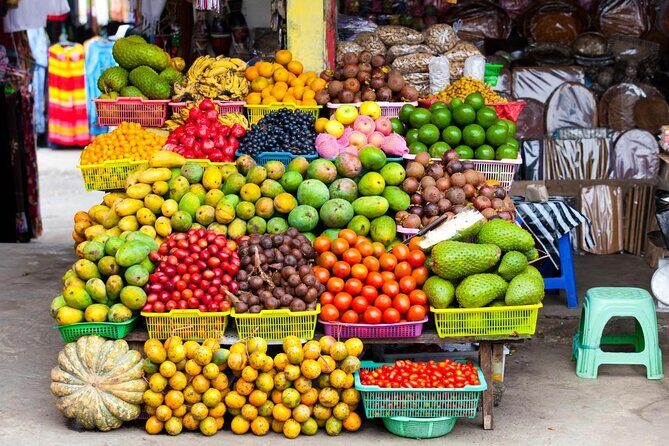
- Badung Market fruit picking: you hand-pick local fruit right at Denpasar’s biggest market, so you start with flavor instead of a lecture
- Small group feel: up to 8 travelers means you get personal attention as you try foods you might miss on your own
- 11+ tastings, not just one meal: sweets, savory bites, and local drinks keep your stomach guessing in a good way
- Guides who name what you’re eating: past groups praised guides like June and Yusuf for explaining choices and making you feel welcome
- Tastes you won’t self-discover easily: the tour leans into local favorites and street-level dishes rather than tourist-standard plates
Why a Denpasar Food Tour Starts at Badung Market
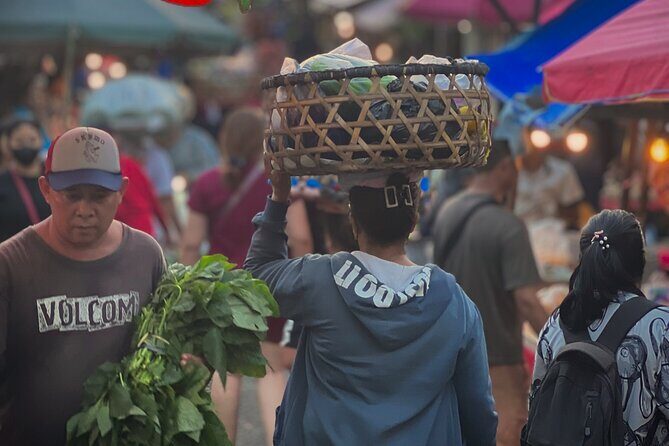
If you want to understand Denpasar food, start where locals shop and snack. Badung Market is the tour’s opening act, and it matters because you get the ingredients first, not as a finished product. You’ll begin in front of the market and start with handpicking local fruits—the kind of stuff you might never see outside Indonesia.
That first stop is also a smart warm-up. Even if you’re not sure what you’re tasting, you’re already in the right rhythm: smells in the air, vendors busy, and your guide setting the pace. Admission for the market part is listed as free, which is nice value early in the tour.
Practical note: since hotel pickup isn’t included, plan to arrive at the meeting address on time. The tour start is at Jl. Mayor Wisnu No.10, Dangin Puri, Kec. Denpasar Tim., Kota Denpasar, Bali 80232, and you’ll end within walking distance of that starting area.
If you're still narrowing it down, here are other tours in Seminyak we've reviewed.

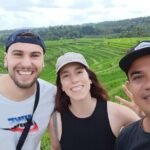

Handpicked Fruit (Stop 1) and Why It Sets the Tone
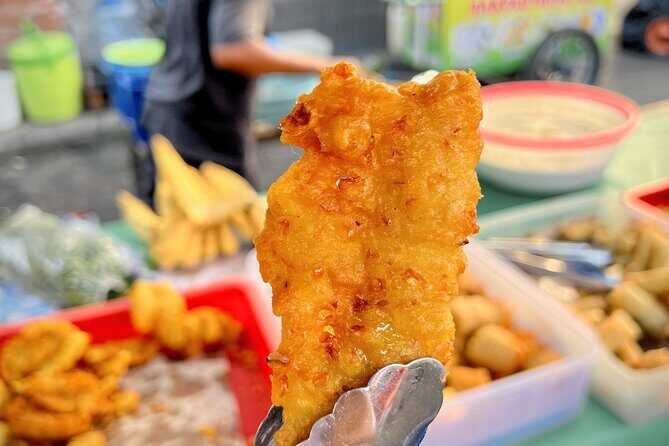
The tour’s first taste is built around that handpicking moment. You’ll have about 30 minutes at Badung Market for fruit selection and sampling. This isn’t the kind of stop where you stand in one place and get a single bite. The whole point is to help you notice what local people choose for themselves.
Here’s why that matters for your whole evening. When you’ve picked the fruit with your own hands, you’re more aware of texture and ripeness. You also pick up a little confidence: you’ll realize you don’t need perfect knowledge to enjoy food. Your guide helps connect the fruit to the larger flavor patterns you’ll keep seeing later.
What to watch for: since this is fruit at a market, bring a small amount of patience. Market environments move fast, and you’ll likely be following your guide through stalls and crowds. It’s also a good moment to use any stomach flexibility you have—fruit can be light, but the tour soon turns savory.
The Neighborhood Walk (Stop 2) and the Sweet-Salty Surprise
After the market, you don’t hop straight to a sit-down restaurant. You keep walking through the neighborhood to keep it local. This is where the tour shifts from ingredients to street-level eating, and it’s where many people realize how different local snacks can be.
Your second stop includes a tasting of a unique sweet/salty dish. The description is intentionally general, which is a good reminder: you’re not just collecting photos of foods that look familiar. You’re trying something that’s part of local daily life. That’s the real payoff of this style of tour—you’re forced to slow down and taste on purpose.
You’ll spend around 1 hour 30 minutes at this phase, moving through several food moments in the area. Because the tour is small (maximum 8), your guide can pace the group and explain what’s going on as you eat. The reviews I saw also praise guides for making the tour feel welcoming and conversational, not like a rushed checklist.
A drawback worth considering here: if you dislike trying unfamiliar flavors, a sweet/salty opening can be a bit of a curveball. But if you’re open, it’s also a great way to reset your expectations. You’ll learn quickly that “sweet” and “salty” in Bali isn’t the same as Western snack combos. It’s about balance.
More Stops, More Stories (Stop 3) Before Your Final Bite
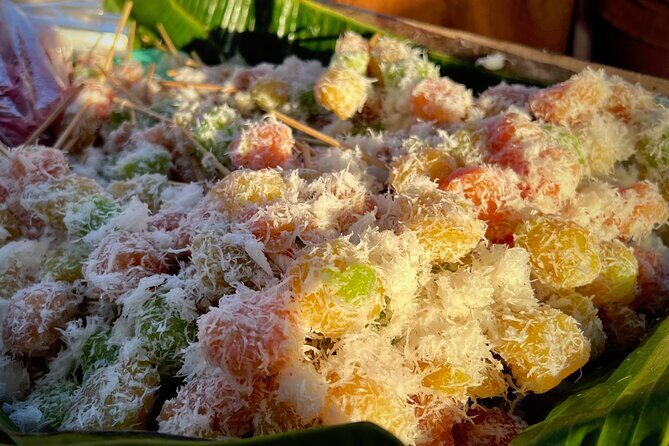
The third phase keeps the same rhythm: walking, small tastings, and stories tied to what you’re eating. The itinerary indicates another 1 hour 30 minutes block of neighborhood exploration with a few additional stops, each with its own theme and flavor focus.
Even without exact dish names listed for this segment, the intent is clear: each stop has a different food identity, so you’re tasting variety instead of repeating one style of snack. The description says you’ll continue through the neighborhood where you’ll stop in about 3 or 4 stops, then end with one last stop before heading to the endpoint.
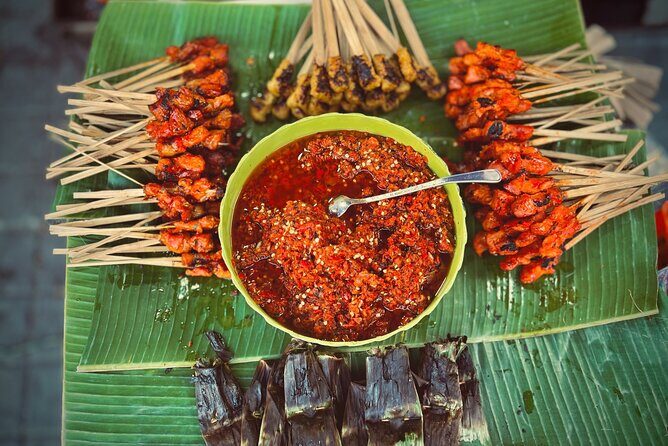
One food detail that shows up in the reviews is satay. That’s a good sign for anyone who likes savory skewers and smoky flavors, because it suggests the tour doesn’t only lean into sweets. You’ll also have local drinks as part of the tastings, which helps with pacing—especially if you’re sampling multiple items close together.
The biggest “draw” of this final section is the contrast. Earlier you’re getting the market experience and the first memorable sweet/salty bite. By now you’re warmed up and ready for the more grounded street flavors. This is where the tour earns its name as a must-try food experience, because the last stops often feel like the moment when everything clicks.
Group Size, Guide Personality, and Learning Without Feeling Like School
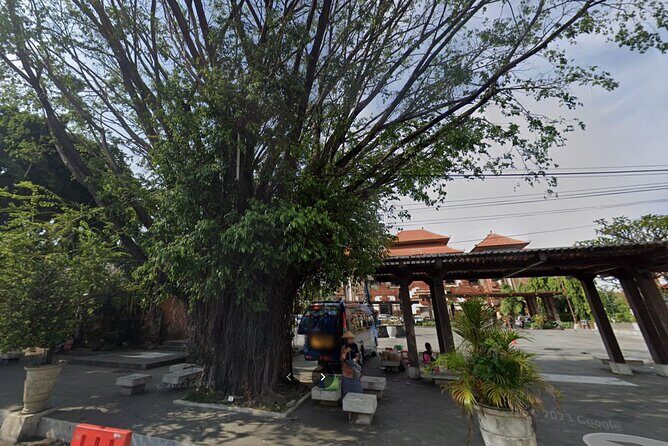
This tour’s format is designed for people who want the cultural context but don’t want a formal lecture. You’re guided by a professional guide with positive energy, and the reviews specifically mention named guides like June and Yusuf for being friendly and knowledgeable about local foods.
That guide factor is practical, not just sentimental. In a market or neighborhood setting, food can be hard to identify from the outside. You might see a snack and wonder what it is, what it tastes like, and whether it’s meant to be eaten in a specific way. A guide reduces that uncertainty. They help you taste with intention and ask better questions as you go.
Small groups make this feel real. The tour is capped at 8 travelers (though it’s described as small group tours of 8 to 10 people), which means you’re not getting swallowed by a large crowd. You can hear explanations, you can move at a human pace, and you’re less likely to feel like someone is herding you.
Also, the tour explicitly uses food as a cultural lens. That’s valuable because Bali’s cuisine isn’t only about taste—it’s about ingredients, habits, and everyday choices. When you connect those dots, your food memories stay with you longer than a single meal.




What 11+ Tastings Actually Means for Your Stomach
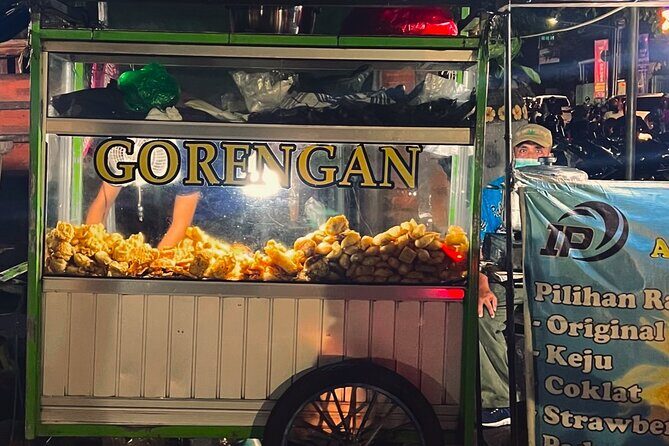
“11+ tastings” sounds like a marketing number until you think about the math. This tour lasts about 3 to 4 hours, starting at 4:00 pm, and includes various refreshment and local drinks. That means you’re generally grazing through the evening rather than eating one huge plate at the end.
For you, that’s a better setup than the typical heavy dinner plan. Grazing helps you try more variety without feeling overly stuffed too early. It also makes it easier to adjust if one item isn’t your thing. You’ll still have later bites to balance the experience.
The tastings range from sweets to mains to drinks. So even if you’re someone who usually prefers savory meals, you’ll likely find at least a couple of stops that match your tastes. And if you have a sweet tooth, you’ll get more than one dessert-style moment. Either way, you end up leaving with a broader sense of what “normal” Balinese eating feels like.
The “bring a big appetite” note is real. Not because the portions will be comically large, but because you’re sampling repeatedly. Come with an empty baseline. If you snack right before the tour, you’ll miss the fun part where every new stop feels like a discovery.
Price and Value: Is $49 Worth It?
At $49 per person, this tour sits in the category of guided experiences that replace doing everything on your own. The key question isn’t just price. It’s what you get for it.
You get:
- 11+ tastings (plus local drinks) spread over the evening
- a small group format
- a local guide for walking, ordering, and explaining
- starting at Badung Market, then moving through neighborhoods you might not naturally explore for food
If you tried to replicate it alone, you’d probably spend time figuring out what to try, where to stand, and how to order something you can’t identify easily. You might still end up with good food, but the guide saves you from the uncertainty cost—your time and your stomach’s trial-and-error.
Value also improves when you’re in Bali for a short time. A 3 to 4 hour block with multiple tastings is efficient. You’re packing a lot of eating into a compact window, and your guide handles the flow.
So for me, $49 feels fair if you like guided local food and you’re comfortable eating several small items. If you’re only after one big meal or you hate street-food style tasting, the pricing won’t feel as justified.
Getting There and Ending Point: Easy, But Plan Your Steps
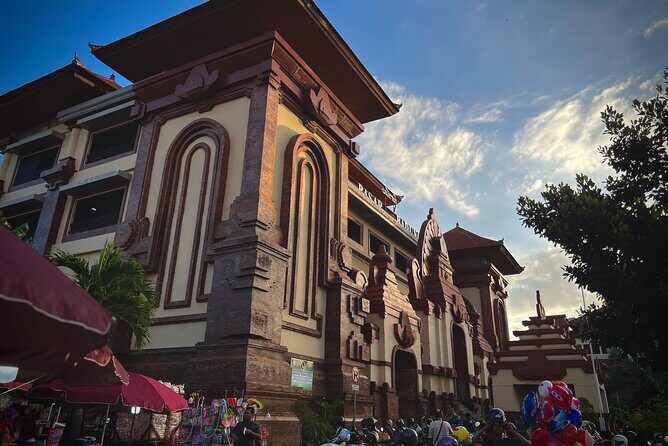
Hotel pickup and drop-off are not included, so this isn’t a door-to-door tour. The start is near public transportation and the meeting address is clearly stated, which helps you arrive without guessing.
Your tour ends only walking distance from the beginning. That’s useful for your plan after the tasting loop, since you should be able to get back to where you’re staying without needing complicated transfers.
Because the tour runs from 4:00 pm, you also avoid some of Bali’s peak midday heat. Still, you’ll be outside and moving, so wear something you’re comfortable walking in. And since you’ll be eating multiple items, you’ll thank yourself for shoes that let you keep moving.
When This Tour Fits You Best (And When It Doesn’t)
This is a great fit if you:
- want to eat like locals in Denpasar, not just in resort areas
- enjoy trying foods you might not recognize from a menu
- like a small group and conversation with your guide
- want cultural context through everyday eating, not museum-style history
It may be less ideal if you:
- hate walking or standing for most of a few hours
- only want a standard restaurant meal with predictable flavors
- are traveling with limited appetite and can’t commit to multiple tastings
If you’re on the fence, think about how you handle surprise dishes at home. If you enjoy that moment of figuring out flavors, you’ll likely have a strong time here.
Should You Book This Bali Must-Try Food Tour in Denpasar?
I’d book it if your goal is to leave Denpasar with more than one meal memory. The combination of Badung Market fruit picking, a sweet/salty neighborhood snack moment, and multiple tastings (including things like satay) makes this feel like a true food route, not a quick stop.
You should also book if you value the guide piece. The reviews highlight guides like June and Yusuf for friendly, welcoming explanations—exactly what you want when you’re trying foods you can’t easily self-order.
Skip it only if you want a fully seated, single-dish dinner experience. This tour is for people who like to graze, walk, ask questions, and learn by eating.
FAQ
What time does the Denpasar food tour start?
The start time is 4:00 pm.
How long is the tour?
It runs about 3 to 4 hours.
How big is the group?
The tour has a maximum of 8 travelers.
Where does the tour meet?
The meeting point is Jl. Mayor Wisnu No.10, Dangin Puri, Kec. Denpasar Tim., Kota Denpasar, Bali 80232, Indonesia.
Where does the tour end?
The endpoint is My timePasar badung lantai 3 no.47, Dauh Puri Kangin, Denpasar Barat, Denpasar City, Bali, Indonesia, and it is only walking distance from the start.
What food and drinks are included?
You get 11+ Balinese tastings, including various refreshment & local drinks, starting with fruit at Badung Market and continuing with additional neighborhood bites.
Is hotel pickup or drop-off included?
No. Hotel pickup and drop-off are not included.
Do I need good weather for this tour?
Yes. The experience requires good weather. If it’s canceled due to poor weather, you’ll be offered a different date or a full refund.