This is one of those Balinese tours where the main event is spiritual, not just scenic. You’ll start with Tegalalang Rice Terrace in Ubud-area countryside, then shift to body-and-mind cleansing at Tirta Empul holy springs, followed by coffee and a religion talk at a plantation.
Two things I especially like: you get private 2-way transfers (so you’re not guessing transport time across Bali), and key costs are handled for you with admission tickets plus offerings, sarong, and guiding included. One thing to consider: the schedule is short—about 4 to 5 hours total—so you’ll want to keep expectations realistic if you’re hoping for long hangs at each stop.
In This Review
- What the day really feels like
- Key highlights to pay attention to
- Why this healing day works better than a normal sightseeing loop
- Getting started at Tegalalang Rice Terrace (and using that hour well)
- Possible downside of this stop
- Tirta Empul purification: what you should know before you go
- Respect and comfort tips (without overcomplicating it)
- Possible drawback to consider
- After the holy springs: coffee on a plantation and learning the religion
- What you might miss here
- Transfers from Seminyak/Ubud: the practical value you’re paying for
- Price and included value: is $50 really fair?
- Who should feel good about the price
- Who this experience suits best (and who should skip it)
- Who might not love it
- Should you book Balinese Healing Experiences?
- FAQ
- Where does this tour take place?
- How long is the experience?
- What stops are included?
- Is pickup included?
- What’s included in the price?
- What isn’t included?
- Is this a private tour?
- How cancellation works if plans change?
What the day really feels like

The tone is calmer than a standard “see Bali in one day” itinerary. Your day is built around a purification ritual first, and then culture time afterward—so it feels like you’re learning how locals hold healing and Hindu practice together, not just taking photos.
The one drawback is also the nature of the experience: purification involves a temple setting and ritual procedures, so if you’re uncomfortable with religious practices or public participation, you may want to think twice before booking.
Key highlights to pay attention to
.jpg)
- Private transfers from Ubud or south Bali so you lose less time to logistics
- Tegalalang Rice Terrace with an admission ticket included for the viewpoint stop
- Tirta Empul purification in holy spring water with sarong, offerings, and guiding included
- A plantation coffee stop paired with learning about local Hindu practices
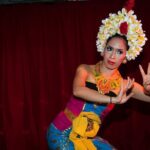
- A guide you can request: Ketut is repeatedly described as friendly, helpful, and great for photos
- Mobile ticket + group discounts that can make planning easier and cheaper per person
If you're still narrowing it down, here are other tours in Seminyak we've reviewed.
Why this healing day works better than a normal sightseeing loop
.jpg)
Most Bali days you can buy are built like a checklist: a few temples, a few viewpoints, a quick meal, then back to your hotel. This one flips that rhythm. The core is a private Balinese healing session centered on purification, specifically using the holy waters at Tirta Empul.
That matters because you’re not just looking at spirituality from the outside. You’re guided into it with proper support: there’s offering guidance, a sarong provided, and a healer session that’s scheduled right after you meet the temple setup. Even if you’re not sure what you believe, having structure helps you feel less like you’re wandering and more like you know what’s happening.
And then the day doesn’t stop at the ritual. You continue to rice terraces and a plantation coffee stop, with a chance to understand how the religion shows up in daily life. That pairing is the value: you get the “what” (purification), and then the “why” (how Balinese Hinduism connects to healing and meaning).
Getting started at Tegalalang Rice Terrace (and using that hour well)
.jpg)
You’ll be picked up at your hotel and driven toward the Tegalalang Rice Terrace area (Ubud). The schedule gives you about 1 hour at this stop, and the admission ticket is included.
Here’s the practical part: one hour is enough to see the terraces and take pictures, but it’s not enough to treat it like a full hiking day. If you like walking slow, pick footwear you don’t mind getting dusty, and plan to move steadily. If you’re chasing perfect photos, go early in that hour. With a set itinerary, you’ll want your best shot before the crowd rhythm changes.
What I like about this first stop is how it sets the mood. Starting with rice terraces is a softer landing before the sacred-temple shift. It’s also useful if you’re mentally preparing for the purification part. You’re reminded that Bali healing isn’t only indoors or dramatic moments. It’s also tied to land, agriculture, and daily spiritual patterns.
Possible downside of this stop
Because the rice terrace viewing is time-boxed, you might wish you had more time if you’re the type who likes to linger. If that’s you, the best workaround is simple: treat the terrace stop as a grounding moment, not a long excursion.
Tirta Empul purification: what you should know before you go
.jpg)
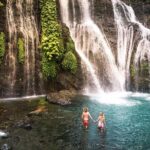
This is the main event. You’ll continue to Tirta Empul Temple, sometimes referred to as a Holy Spring Temple. Then you do purification in the sacred springs as part of the healing session, with your guide organizing what comes before you meet the healer.
The scheduled time here is about 3 hours, and the admission ticket is included. That’s a strong chunk of the day. It’s long enough to feel guided rather than rushed, which is what you want for something this personal.
What’s included (and why it matters):
- Sarong is provided, which removes one common headache—temple-appropriate clothing.
- Offerings are included, so you don’t have to figure out what to buy or where to get it.
- Guiding is included, which is the difference between doing a ritual and simply standing near water.


Respect and comfort tips (without overcomplicating it)
You won’t need to be an expert. Just follow the guide’s cues. For temple water rituals, keep your hands free when you’re told to do so, and listen for timing instructions. If you’re sensitive to crowds or noise, it helps to know that you’re doing this in an active religious space, not a private spa room.
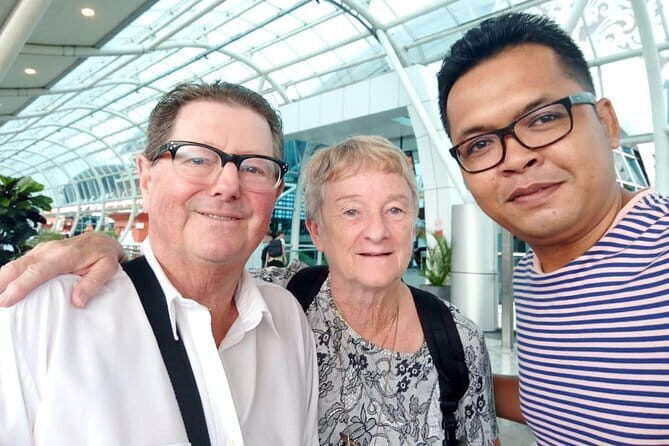
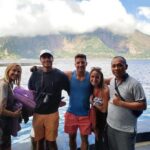
If you like having a calming, human presence, this is where the guide quality really shows. One of the strongest pieces of feedback around this experience is that Ketut is described as friendly, polite, funny, and especially helpful if you want authentic photos while still keeping the ritual respectful.
Possible drawback to consider
If you expect this to feel like a standalone private wellness spa session, the temple setting may be surprising. It’s spiritual and public by nature. For some people that’s the point. For others, it may feel like too much.
After the holy springs: coffee on a plantation and learning the religion
.jpg)
Once the purification part is done, the itinerary flows into culture time. You have coffee at a plantation and you learn about the local religion.
This stop is valuable because it gives context. You’re not just walked through a ritual. You get a chance to connect it to Balinese Hinduism and the way healing practices fit into everyday beliefs. Even if you only remember a few key ideas, it tends to make the earlier experience click into place.
Coffee at a plantation also helps you transition. Your body has gone through something physically grounding (holy water purification). Your mind gets a break with a slower, more normal human activity. It’s the kind of transition that keeps the whole day from feeling like one long intensity spike.
What you might miss here
The listing says lunch isn’t included. So if coffee and small breaks aren’t enough for your schedule, you’ll want to plan for food timing either before you go or after you return.
Transfers from Seminyak/Ubud: the practical value you’re paying for
.jpg)
Bali can be chaotic for timing. This is why the private 2-way transfers matter. You’ll have pickup arranged from your hotel in Ubud or south Bali, and you’ll get brought back after the session.
For a 4–5 hour day, transport quality is a big deal. If you have to coordinate cabs, or you lose time waiting, you end up with less actual healing and more “where are we going now” stress. Here, transport is part of the package: it’s built into the experience plan rather than tacked on at the end.
Another practical bonus: this is a private tour/activity, meaning it’s just your group. That keeps the pacing stable, especially around Tirta Empul where you’ll likely want smooth movement and a guide’s full attention.
Price and included value: is $50 really fair?
.jpg)
At $50 per person, this isn’t trying to be a luxury retreat. It’s priced like a focused cultural day with real structure. And the key is that the cost isn’t only paying for transportation.
Here’s what’s included:
- All fees
- Offering
- Guiding
- Sarong
- Mineral water
- Admission tickets for both the rice terrace stop and Tirta Empul
What’s not included:
- Lunch
- Personal expenses
So you’re paying for the things that are easy to underestimate when you book on your own. Temples and rituals usually come with access fees, and buying the right items at the right time is often annoying. Here, those parts are handled, which is exactly what you want when you’re trying to do something meaningful rather than logistical gymnastics.
And because group discounts are offered, the value can improve if you’re traveling with friends. Also, mobile tickets are included, which usually means less hassle at check-in.
Who should feel good about the price
If you want:
- a day that’s more spiritual than typical touring,
- a guided ritual route,
- and less stress about transport and timing,
then $50 can feel fair, even if you’re not planning to spend big on extra meals.
Who this experience suits best (and who should skip it)
.jpg)
This one is best for you if you want a private Balinese healing experience that’s clear, guided, and tied to actual sacred practice. It’s also a good fit if you like learning along the way: rice terraces first, then purification, then explanation over coffee.
It’s especially suitable for:
- couples or friends who want a calm, private rhythm,
- people visiting Bali for a short stay who still want a deeper cultural stop,
- anyone who likes having photos taken without making the ritual feel like a photo shoot.
Who might not love it
Skip or reconsider if:
- you strongly dislike participating in religious rituals in a temple setting,
- you want a full-day pace with long, unstructured time,
- you’re the type who needs lunch included or will be hangry within a few hours.
Should you book Balinese Healing Experiences?
Yes, if you want a shorter Bali day with a clear purpose. This experience is built around Tirta Empul purification plus culture time, and it includes the items that usually complicate DIY plans—sarong, offerings, guiding, and admission tickets. The private pickup and return also helps a lot if you’re staying in Seminyak or around south Bali and don’t want to waste your vacation in transit.
But if you’re looking for a purely relaxing spa vibe or you prefer temples only from the outside, this may feel too participatory.
If you book, one smart move: if your group cares about photos and a smooth, friendly guide experience, ask for Ketut when possible. He’s highlighted as a standout for customer service and helpful guidance, including photo support.
FAQ
Where does this tour take place?
The experience is based in Seminyak, Indonesia, with stops that include Ubud-area rice terraces and Tirta Empul Temple.
How long is the experience?
It runs for about 4 to 5 hours (approx.).
What stops are included?
You’ll visit Tegalalang Rice Terrace first, then Tirta Empul Temple for purification. After that there’s coffee at a plantation.
Is pickup included?
Yes. Pickup is offered, and the tour includes private 2-way transfers from your Ubud or south Bali hotel.
What’s included in the price?
Included items are all fees, offering, guiding, sarong, mineral water, and the admission tickets for the stops.
What isn’t included?
Lunch and personal expenses are not included.
Is this a private tour?
Yes. It’s described as a private tour/activity, meaning only your group participates.
How cancellation works if plans change?
You can cancel for a full refund if you cancel at least 24 hours in advance of the local start time.