REVIEW · SEMINYAK
Denpasar City Food Tour (Day Tour)
Book on Viator →Operated by Bali Bite & Beyond Food Tour · Bookable on Viator
Hunger turns into a walking history lesson. This Denpasar City Food Tour takes you off the usual Bali circuit and into working neighborhoods where the food is tied to places with local stories. I love the 10-dish lineup of Indonesian and Balinese classics, and I especially like how the route mixes market food, heritage spots, and regional dishes instead of bouncing between tourist menus. One thing to consider: a small number of past bookings mention a guide no-show and ticket communication problems, so double-check your confirmation and any contact details close to the start.
Denpasar itself is part of the appeal. People often assume they land in Bali’s capital the moment they touch down, but the city is about 10 km from the airport and it doesn’t feel like the resort strip—locals come here for everyday food that’s been around long before the island became a mass-tourism magnet. With a maximum of 10 travelers and lunch included, it’s a good format if you want to eat a lot without spending the whole day stuck in restaurants.
Come hungry. This tour asks that you skip breakfast, because you’ll be sampling across the city for about 3 hours. If you’re the type who likes to wander, talk, and try things you’d never order on your own, this one fits.
In This Review
- Key Highlights You’ll Actually Notice
- Denpasar on Foot: Why This Tour Feels Local
- Price and Value: What $100 Buys You in Real Eating Terms
- The 3-Hour Route: Stop by Stop, What You’ll Taste
- Stop 1: Bhineka Djaja (Kopi Bali) and the First Coffee in Bali
- Stop 1: Pasar Badung (Traditional Market)
- Stop 2: Puputan Square / Puputan Badung Park
- Stop 3: Pura Jagatnatha (Religious Stop)
- What’s on the Menu: 10 Types of Local Food
- Pork Satay vs. Goat Curry: Halal Options That Actually Matter
- Toko Kue and the Sweet/Savory Finish
- Guide Quality: What Ratih’s Approach Looks Like
- Logistics That Can Make or Break Your Day
- Who This Tour Is Best For
- Should You Book Denpasar City Food Tour?
- FAQ
- How long is the Denpasar City Food Tour?
- Where is the meeting point, and where does the tour end?
- What time does the tour start?
- How much does it cost?
- What’s included in the tour price?
- Is alcohol included?
- How many different foods will I try?
- Is there a halal option?
- Do I need to skip breakfast?
- How big is the group?
Key Highlights You’ll Actually Notice

- Pasar Badung market start: A traditional market experience plus curry and other market bites.
- Puputan Badung Park + snacks: A heritage stop paired with the kinds of snacks locals like.
- Coffee from Bali’s first coffee shop: You’ll begin with coffee at Bhineka Djaja (Kopi Bali).
- Religious landmarks on a food route: Pura Jagatnatha adds context to what you’re eating.
- Halal-friendly options: You can swap pork dishes for beef soup or goat curry/satay, and finish with Nasi Campur.
Denpasar on Foot: Why This Tour Feels Local
This is a walking food tour in Denpasar, not a “see Bali” bus ride with restaurant stops. The difference matters. You’re moving through areas that aren’t built mainly for visitors, so you get a more realistic sense of how Balinese and Indonesian meals actually show up in daily life.
Denpasar is Bali’s capital, but it doesn’t have the same tourist-thick atmosphere as beach-heavy zones. The payoff is you can eat what people in the city already trust. Instead of hunting for a “cool place to post,” the tour plan is built around established food spots, including market stalls and long-running eateries.
The route also has a nice rhythm: coffee and snacks early, then progressively heavier meals as you work your way through markets and city landmarks. For me, that pacing is part of the value—10 types of food in about three hours is ambitious, but it doesn’t feel like a frantic food sprint when the stops are close enough and the group stays small.
If you're still narrowing it down, here are other tours in Seminyak we've reviewed.

Price and Value: What $100 Buys You in Real Eating Terms

At around $100 for roughly 10 different foods, plus lunch all foods and non-alcohol drinks, coffee/tea, snacks, and bottled water, the math looks pretty reasonable if you compare it to paying for meals plus a guide plus multiple separate entrances or paid tastings.
Two details push this from “just eat” into better value:
- You’re not only trying foods—you’re also learning the why: what the dish represents, how it ties to place, and how regional choices show up in flavor and ingredients.
- You’re visiting markets and heritage areas that you might not prioritize on your own.
Alcohol isn’t included, but alcohol can be purchased depending on the venue. That keeps costs contained while still letting you decide if you want a beer or cocktail somewhere along the way.
The 3-Hour Route: Stop by Stop, What You’ll Taste
Stop 1: Bhineka Djaja (Kopi Bali) and the First Coffee in Bali
You start at Bhineka Djaja (Kopi Bali) at 10:00 am. This matters because you begin with a coffee experience tied to a claim of being the first traditional coffee shop in Bali.
Think of this as your warm-up. You’re not just getting caffeine—you’re setting the tone for the rest of the afternoon, with a local drinks break right away before you start sampling food in earnest.
Practical tip: since you’re skipping breakfast, this early coffee (and/or tea) helps you stay comfortable while you ramp up to market foods.
Stop 1: Pasar Badung (Traditional Market)
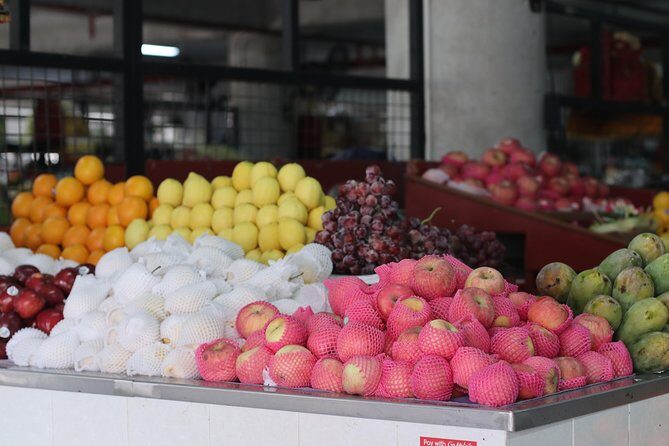
Your next big stop is Pasar Badung, one of Bali’s famous traditional markets. You’ll try the famous curry at the market, plus other bites that fit the day-to-day flavor of the area.
If you’ve ever eaten market food and felt lost because everything looks great, this is where a guide helps. You’re being guided to specific items, not just walking in hoping you pick the “right” stall.
Also, the tour is designed to show you market logic: how ingredients and spice combos become “normal” here, not special-occasion indulgences.




Stop 2: Puputan Square / Puputan Badung Park
From the market area, the tour shifts toward the Puputan Badung Park area (connected to Puputan Square). This part adds a layer beyond food: you learn a bit of the city’s local story while you’re still moving through neighborhoods.
Then comes food again—at this stop you’ll sample two snacks that local people like when they visit the park. The key is that you’re trying snacks that fit the place’s vibe, not just random items picked for variety.
Stop 3: Pura Jagatnatha (Religious Stop)
Next up is Pura Jagatnatha. This isn’t there as a “check the box temple moment.” It’s part of understanding the cultural background that surrounds Balinese life—including daily food traditions.
You’ll walk through the area with context, which makes the culinary stops feel less disconnected. Even if you’re not deep into religious sites, it helps you understand why food, hospitality, and local customs are so tightly linked here.
What’s on the Menu: 10 Types of Local Food

Across the tour, you’ll sample 10 types of Indonesian or Balinese local food and drink. The tour is intentionally not built around franchise-style menus or international “safe choices.” Your taste list is broad enough to cover savory mains, snacks, and sweets.
Here are the highlights you can plan for based on what the tour describes:
- Curry from Pasar Badung (market curry)
- East Bali salad
- Balinese traditional snacks and drink at the market area
- Two snacks at Puputan Badung Park
- A pork satay and beef soup OR goat satay and goat curry option (with a halal-friendly swap)
- Indonesian delicacies from an oldest Traditional Toko Kue (cake shop)
- A final big finish of Nasi Campur (halal option) or Babi Guling/Suckling Pig
That last finish is the “end-of-tour feeling” you want: you stop thinking about sampling, and you leave with the comfort of a proper meal.
Pork Satay vs. Goat Curry: Halal Options That Actually Matter
Food tours can get awkward if “halal option” is treated like an afterthought. Here, the plan spells out alternatives: you can choose between pork-based items and goat satay/goat curry, plus beef soup is part of the non-pork path.
That makes it easier for you to select in advance and avoid the uncertainty of “Maybe we can change it.” If you follow halal rules, this tour’s structure is a real plus.
Toko Kue and the Sweet/Savory Finish

Late in the route you’ll visit the oldest Traditional Toko Kue (cake shop) and try Indonesian delicacies. This is where the tour stops feeling like only savory street food. It adds the sweet side of Indonesian eating—simple, local, and often less tourist-framed.
Then you land at the final plate:
- Nasi Campur for halal travelers, or
- Babi Guling / Suckling Pig for everyone else.
Either way, the goal is the same: finish with a meal that feels like Bali, not a “token tasting portion.” In a food tour of this length, that matters because you want closure, not just more samples.
Guide Quality: What Ratih’s Approach Looks Like

One name shows up clearly in positive experiences: Ratih, described as the foodie host behind Bali Bite & Beyond Food Tour. The compliments aren’t just about food quality. They also mention the way she connects bites to meaning—where the food comes from and how regional differences shape the flavors.
That’s the best kind of guide for a tour like this. You’re not just being fed; you’re being oriented. You understand why a market curry tastes the way it does, why a particular snack belongs at Puputan Badung Park, and what you’re eating when you order your final plate.
Do keep your eyes open, though. One negative report claims a guide didn’t turn up and raised concerns about ticket communication. That’s not enough to label the whole business from a single complaint, but it is enough to make me recommend you confirm your details the day before.
Logistics That Can Make or Break Your Day

This tour is built for a small group: up to 10 travelers. That’s a sweet spot for a walking itinerary because it keeps the pace human and helps you ask questions without feeling like you’re in a cafeteria line.
A few practical notes from the tour details:
- Duration: about 3 hours
- Start: 10:00 am
- Meeting point: Bhineka Djaja (Kopi Bali), Jl. Gajah Mada No.80, Dauh Puri Kaja, Denpasar Utara, Kota Denpasar, Bali 80111
- Ending: back at the meeting point
- Most travelers can participate
- Mobile ticket is used
- You’ll be in areas with near public transportation, which can help if you’re getting yourself to Denpasar by day
What I’d do before you go: confirm your pickup/meeting plan, wear shoes you don’t mind walking in, and treat breakfast avoidance as non-negotiable. If you show up full, you’ll miss the best part—being able to enjoy each stop instead of feeling stuffed too early.
Who This Tour Is Best For

This tour suits you if:
- You want authentic local food in Denpasar, not tourist-only menus
- You like walking and want a food route tied to real places
- You’re open to trying a mix of savory dishes, snacks, and sweets
- You want halal-friendly choices that are described in the plan (goat curry/satay, beef soup, and Nasi Campur)
It may not suit you if:
- You dislike walking for long stretches
- You need alcohol included (non-alcohol drinks are included; alcohol is optional for purchase and not served everywhere)
Should You Book Denpasar City Food Tour?
If your goal is simple—eat like a local in Denpasar and actually understand what you’re tasting—this is a solid pick. The biggest selling points are the 10 local dishes, the fact that the route is built around market and neighborhood food, and the inclusion of both cultural stops and practical meal pacing.
I’d book it if you’re confident in your planning. The only real caution from the available feedback is about one reported no-show/ticket communication issue. So: confirm your details ahead of time, keep your ticket handy, and make sure you know exactly where to meet at 10:00 am at Kopi Bali.
If you do that, you’ll likely leave with more than full—you’ll leave with a better sense of how food fits into everyday Denpasar life.
FAQ
How long is the Denpasar City Food Tour?
The tour lasts about 3 hours.
Where is the meeting point, and where does the tour end?
You start at Bhineka Djaja (Kopi Bali), Jl. Gajah Mada No.80, Dauh Puri Kaja, Denpasar Utara. The tour ends back at the meeting point.
What time does the tour start?
It starts at 10:00 am.
How much does it cost?
The price is $100.
What’s included in the tour price?
Lunch (all foods and non-alcohol drinks) is included, along with coffee and/or tea, snacks, and bottled water.
Is alcohol included?
No. Non-alcohol drinks are included, while alcohol is not included but may be available for purchase depending on the stop. Not all places serve alcohol.
How many different foods will I try?
You’ll try 10 types of Indonesian or Balinese local food.
Is there a halal option?
Yes. The tour includes halal alternatives such as goat satay and goat curry (instead of pork options) and Nasi Campur at the end.
Do I need to skip breakfast?
Yes. The tour advises you to not have breakfast before you go.
How big is the group?
The tour has a maximum group size of 10 travelers.