That market-to-kitchen flow is the magic.
I like how this class starts with a real market ingredient hunt at 8:30, not a lecture in a classroom. Then you jump into hands-on Balinese cooking with the team, including chefs like Chef Komang and hosts such as Tommy/Tommy Ford, so the flavors feel practical, not mysterious. You also get a lunch built from what you make, plus a certificate and recipe book to take home.
The main thing to plan for is time and heat.
This runs about 5 hours (and some days stretch past that), and you’ll be on your feet while you prep, cook, and wait for your dishes to finish on the burners.
In This Review
- Key highlights you should know
- Seminyak’s market morning: ingredients before the chopping board
- Warung Nia cooking class: nine dishes and the “team kitchen” style
- What makes the cooking instruction useful
- A note on group energy and pacing
- Lunch payoff: eating what you cooked (and not leaving hungry)
- Stops and setting: Seminyak Square and the Flea Market angle
- Price and value: what $45 buys you in Bali
- Who should book this cooking class
- Practical tips so your day goes smoothly
- Should you book Nia Balinese Cooking Class?
- FAQ
- How long is the cooking class?
- What time does the experience start?
- Where does it start and where does it end?
- What is included in the price?
- What is not included?
- Is there transport assistance?
- How big is the group?
- Do I need to worry about food allergies?
- What dishes are included in the class?
- Is weather important?
Key highlights you should know

- 8:30 market visit that shows you where spices and key ingredients actually come from
- Chef-led, hands-on cooking that keeps you busy across multiple dishes (typically around nine)
- Lunch included and built from your work, so you get instant payoff
- Recipe book + certificate so you can recreate flavors later
- Group size capped at 15 for a more hands-on feel (though it can still feel lively)
- Staff help with logistics like getting to transport afterward (no drop-off included)
Seminyak’s market morning: ingredients before the chopping board
.jpg)
This experience treats breakfast-and-a-browse like part of the curriculum. You start at Warung Nia Balinese Food & Pork Ribs, right in Kayu Aya Square (Seminyak). The activity is timed to move into the market around 8:30am, which matters because the best “what is this and why is it used” moments happen when stalls are open and ingredients look fresh.
Instead of being handed a spice jar and a story, you’ll see the foods where they’re bought and used. That changes how you understand the cuisine. Balinese cooking is built on layers: aromatic paste ingredients, herbs, chilies, fresh aromatics, and the way dishes are wrapped and folded. When you can point at what you’re later cooking, it sticks.
You’ll also visit Seminyak Square and the Flea Market Seminyak as part of the morning stops. Even if you’re not hunting souvenirs, these stops give you context for everyday Balinese food shopping—what people actually buy, what’s common, and what you’re likely to recreate at home.
Pro tip: Go in with a clear stomach. Many people recommend not eating a big breakfast, because the lunch later is substantial and it’s hard to taste everything properly when you’re already full.
Other cooking classes in Seminyak
Warung Nia cooking class: nine dishes and the “team kitchen” style
.jpg)
After the market, you shift from shopping mode to cooking mode. You’ll get snacks and drinks before the main work begins. Then the class centers on cooking multiple Balinese dishes—the plan is 9 dishes, taught in a way that’s interactive but still realistic for a group day.
This is not a “cook your own full meal start to finish, alone at your station” style. It’s more like a shared kitchen where everyone takes turns on parts of the process. That approach makes sense: Balinese dishes often take time, and some steps (like wrapping, steaming, or finishing sauces) don’t move at a one-person pace. You’ll get plenty to do, but you won’t always control every minute of each dish.
Chef Komang and hosts like Tommy/Tommy Ford show up in the vibe people talk about most: organized, fun, and good at getting a group moving. One of the best things about classes like this is the rhythm. Your station doesn’t stay chaotic for long. When a new recipe is demonstrated, the rest of the team keeps prep organized so the group can keep flowing.
What makes the cooking instruction useful
Balinese cooking has signature moves—especially when paste meets heat, and when herbs and aromatics are balanced with richness. You’ll get practice with those building blocks rather than just copying one finished plate.
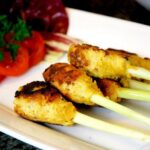
The class specifically includes dishes such as Ayam Betutu (chicken wrapped in banana leaves with special folding) and the popular Nasi Goreng. Seeing a banana-leaf wrap technique taught in a hands-on way is a big deal for home cooking. Even if you don’t fold it exactly the same way again, you’ll learn what the wrap is doing: protecting flavor, holding moisture, and creating a fragrance that’s hard to reproduce any other way.
You’ll also likely get guidance on seasoning and spice handling—how to work with fresh aromatics and spice mixes without making it a guessing game. And since you spent the morning seeing ingredients at the market, the classroom “why” connects faster.
A note on group energy and pacing
Expect it to feel like a busy, warm kitchen day. Some people point out the instruction style can feel different from earlier cooking classes they’ve done—mainly because you prep together and share dishes rather than receiving fully individual portions throughout the whole process.
If you hate shared seating, shared prep, or you really want a solo-by-solo workflow, this may not be your ideal format. But if you’re open to group cooking and you want to learn how Balinese food is made in a real, working way, it’s a strong match.
Lunch payoff: eating what you cooked (and not leaving hungry)
.jpg)
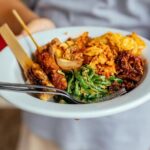
The best argument for this class is simple: lunch is included and it comes from what you’ve made. That means you’re not waiting around for a “taste at the end.” You’re building toward a feast.
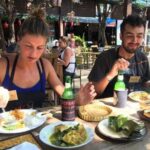
At the end of the cooking session, you sit down for lunch and eat the results of the day. Reviews highlight that portions can feel abundant—so if you arrive with an empty stomach, you’re more likely to enjoy the full range of flavors, not just get through it.
Lunch also helps you learn what worked. When you taste a dish you made yourself, you start noticing balance: salt level, chili heat, fragrance, and how the sauce sits against starches like rice. That’s hard to get from recipes alone.
You’ll finish the day with a cooking class certificate plus a recipe book. The recipe book is a practical souvenir, not just a printed photo of dishes. It’s the kind of thing you’ll actually use when you recreate the banana-leaf chicken style or attempt a fried rice variation at home.





Stops and setting: Seminyak Square and the Flea Market angle
.jpg)
The morning isn’t just “go to a market and return.” You’ll hit Seminyak Square and the Flea Market Seminyak, which helps the day feel like you’re part of daily life, not just following a script.
There are two ways this benefits you:
First, it gives you a shopping lens. You see what’s easy to find, what’s seasonal, and what looks common at stalls. That matters if you’re trying to buy ingredients later in your own cooking routine.
Second, it makes the class more than a food demo. You’re practicing cultural context. Balinese food culture is deeply connected to how and where ingredients are sourced, and this format teaches that connection early.
The main drawback is that markets take time and require patience. If you prefer a strictly structured “no wandering” schedule, you might feel the morning is a bit softer in pacing than you expected. Still, it’s usually the part people feel most strongly about, because it makes every ingredient lesson feel concrete.
Price and value: what $45 buys you in Bali
.jpg)
At $45 per person, this is the kind of Bali activity that makes sense for food-focused travelers. You’re paying for more than cooking instruction. You’re paying for:
- Market time and guidance around ingredients
- Snacks and drinks
- Cooking instruction across multiple dishes
- Lunch included
- A certificate and recipe book
- A small group format (maximum 15 travelers)
When you compare that to the cost of dining plus a class, the math often lands in its favor—especially if you actually eat what you cook rather than just nibbling for a photo.
One more value detail: some class experiences include help with ingredient shopping decisions, and staff can support ingredient purchasing on-site. That reduces the risk of returning home with random spices and no plan for how to use them.
So yes, it’s not a private chef experience. But for the price, you get a lot of real food time, not just watching someone else work.
Who should book this cooking class
.jpg)
This fits best if you want a hands-on Bali food day with real instruction and you enjoy meeting people while cooking.
You’ll likely love it if:
- You want to learn specific dishes like Ayam Betutu and Nasi Goreng
- You prefer practical cooking lessons over pure theory
- You like market shopping as part of the experience
- You want a small-ish group and a social day that still feels organized
It may not be the best fit if:
- You have a vitamin allergy (this activity is not recommended for that)
- You need private, individual portion cooking throughout the whole class
- You struggle with heat or standing for around 5 hours
Practical tips so your day goes smoothly
.jpg)
Here’s how to make this run like clockwork on your end.
Arrive hungry, but not empty-minded. Many people advise skipping a big breakfast. At the same time, don’t show up faint. Have a light bite if you need to.
Wear shoes you can stand in. Reviews call out the length and how much time you spend on your feet. This is not a “sit and watch” tour.
Use your recipe book right away. Flip through it during the lunch break, not after you get home. You’ll remember steps better while the day’s flavors are still fresh.
Plan your shopping time after the class. The market stops can spark ideas, and local ingredients can be tricky to find later. If you want to buy ingredients you saw in the morning, having time afterward helps.
Bring a practical attitude about group cooking. You’ll likely be prepping shared dishes and working as a team. It’s part of the design. If you go in expecting a solo tasting menu, you’ll be disappointed.
Transportation reality check: There’s no drop-off transport included. Staff can help you get transport, and you’re near public transportation, but you should still plan how you’ll get back to your hotel.
Should you book Nia Balinese Cooking Class?
.jpg)
If your main goal is a fun, hands-on day that teaches you real Balinese cooking, I’d book it. The combination of a market ingredient start, a chef-led cooking session, and an included lunch is a strong value, especially at $45.
I’d skip it (or think twice) if you have dietary constraints related to vitamins, you can’t handle a long and warm kitchen day, or you strongly prefer individual, complete dishes prepared at your own station.
If you want a memorable food experience in Seminyak that gives you both flavors and skills to bring home, this is one of the safer bets to pick.
FAQ
How long is the cooking class?
It runs for about 5 hours.
What time does the experience start?
Start time is listed as 8:00am, with the market portion planned around 8:30am.
Where does it start and where does it end?
It starts at Warung Nia Balinese Food & Pork Ribs, Kayu Aya Square, Jl. Kayu Aya No.19-21, Seminyak, Bali. The activity ends back at the meeting point.
What is included in the price?
Lunch, a cooking class certificate, and a recipe book are included.
What is not included?
Drop-off transport and private transportation are not included.
Is there transport assistance?
Yes. The staff can help you get transport after the class, but drop-off is not provided.
How big is the group?
The maximum group size is listed as 15 travelers.
Do I need to worry about food allergies?
The tour is not recommended for travelers with a vitamin allergy.
What dishes are included in the class?
The class description mentions Ayam Betutu and Nasi Goreng, and the cooking portion covers multiple dishes (the plan is 9 dishes).
Is weather important?
Yes. The experience requires good weather, and if canceled due to poor weather you’ll be offered a different date or a full refund.