REVIEW · SEMINYAK
No:#1. Penida Island Tour And Snorkeling With Manta
Book on Viator →Operated by Fast Boat Nusa Penida - Ticket Center & Tours · Bookable on Viator
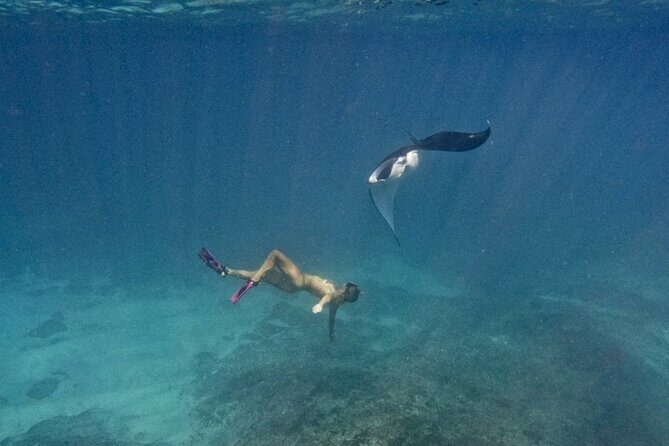
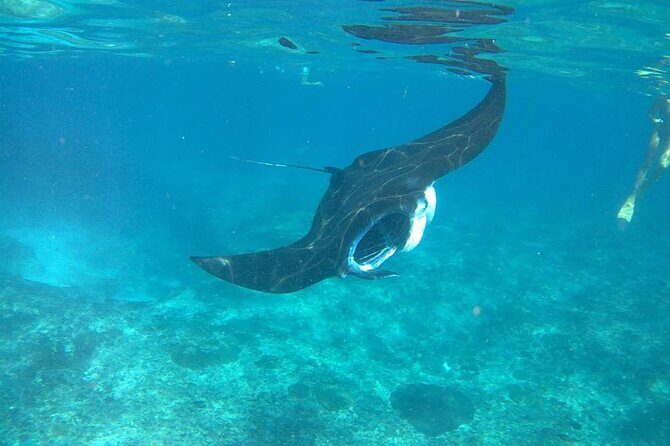
Mantas show up when conditions cooperate. This Penida snorkeling safari focuses on the real reason people come: giant manta rays, plus reef swimming in bays like Gamat Bay, all handled by a crew that takes care of the boat-and-spot logistics so you can just swim and enjoy the day.
I like two things a lot. First, the hassle-free hotel pickup from several Bali areas means you’re not stuck figuring out transport before the fast boat. Second, you don’t need to carry a thing because snorkeling gear and life jacket are provided (and there’s a lunch stop to keep your energy up).
One thing to consider: your exact bays are weather and water-condition dependent, so the day’s plan can shift. Also, it’s a long outing starting early, so bring the kind of comfort mindset you’d use for a full day tour, not a quick swim.
In This Review
- Key highlights you should care about
- How the Seminyak-to-Nusa Penida Day Really Works
- Snorkeling Gear and Safety: What You Actually Need
- Where You Snorkel: Manta Bay, Crystal Bay, Gamat Bay, Wall Bay Point
- Underwater Photographer Rhythm and Take-Home Photos
- Lunch, Timing, and Energy Management for a 12.5-Hour Tour
- Price Worth It: $67.75 for Boat, Gear, and Local Handling
- Best Fit: Who This Manta Snorkel Tour Suits
- Things That Can Go Wrong (And How to Reduce the Risk)
- Should You Book This Penida Manta Snorkel Tour?
- FAQ
- What time does the Penida Island tour start?
- How long is the Penida Island tour with manta snorkeling?
- Is hotel pickup included, and from where?
- Is snorkeling gear provided?
- What’s included for food?
- What if poor weather cancels the trip?
Key highlights you should care about
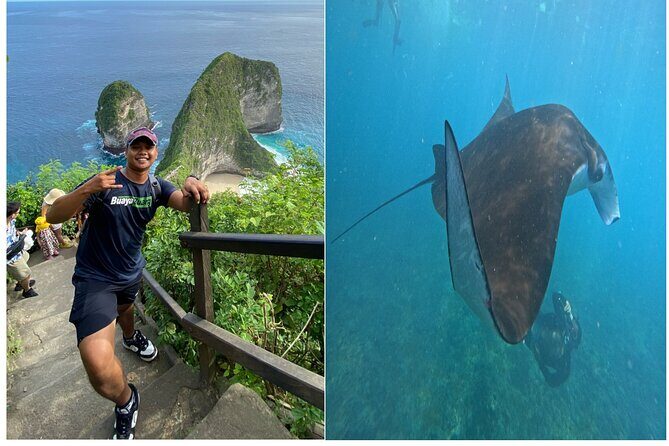
- Hotel pickup across Bali (Nusa Dua, Jimbaran, Kuta, Canggu, Sanur, and Ubud) so you’re not chasing logistics
- Fast boat + island land transport to get you from your hotel area to the snorkeling spots efficiently
- 3–4 snorkeling stops typically, often including Manta Bay, Crystal Bay, Gamat Bay, and Wall Bay Point
- Gear included, plus a life jacket and a towel if you selected the version that includes it
- Underwater photographer on hand for take-home shots of you and your group
How the Seminyak-to-Nusa Penida Day Really Works
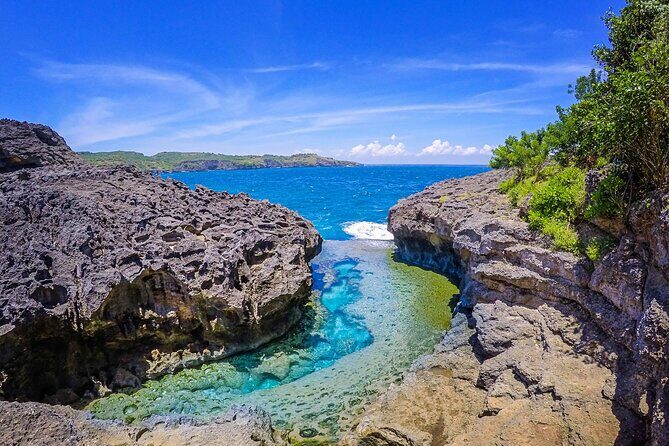
This is a full-day format. You’re picked up in the early morning, then transported to the fast boat, then moved around the island by land to reach the snorkeling bays. The start time listed is 7:00 am, and the whole experience runs about 12 hours 30 minutes.
The big practical win here is that you’re not trying to coordinate three separate parts on your own: getting from your hotel to the departure point, catching a boat on time, and then finding the right snorkeling areas once you’re on Nusa Penida. Instead, you follow the group rhythm while your guide handles the boring parts.
The tour is capped at up to 28 travelers, which matters more than it sounds. Smaller groups usually feel easier to manage in choppy conditions, at crowded boat decks, and during quick transitions between water stops.
Also pay attention to the “moderate physical fitness” note. Snorkeling itself is easy for most people, but the day involves getting in and out of boats and moving around between stops. If you prefer slow pacing, plan for a more physical day than you’d expect from the word snorkeling.
If you're still narrowing it down, here are other tours in Seminyak we've reviewed.


Snorkeling Gear and Safety: What You Actually Need
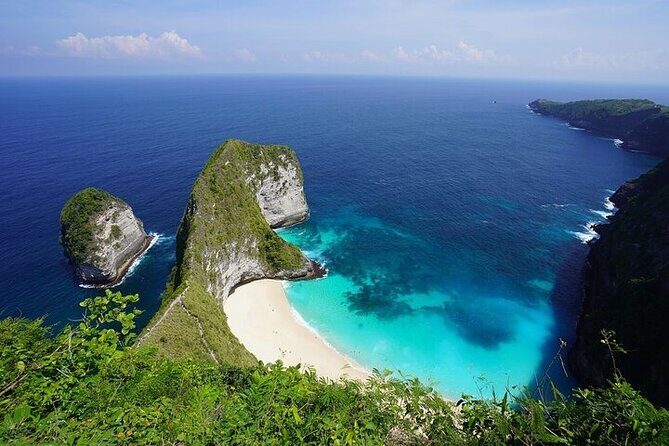
You’re set up with snorkeling gear and a life jacket, so you don’t have to pack your mask or hunt for rentals. The tour also specifies towels per person if you select that option, which is one less thing to worry about before you leave your hotel.
Here’s the useful part: manta snorkeling is more about being ready and comfortable in the water than about special gear. If you’re a first-timer, the included setup helps you focus on the swim rather than fiddling with straps or searching for equipment. If you’re more experienced, you can spend your mental energy on watching the water and timing your breathing.
Before you jump in anywhere, do a quick personal check like you would anywhere else:
- confirm your mask fits properly and doesn’t fog fast
- make sure the life jacket fits securely
- listen to the guide’s instructions for how they want you to enter and swim as a group
If you’ve ever had a less-than-stellar snorkeling kit on a tour, you’ll know how much it can affect your comfort. In one reported experience, equipment and communication didn’t feel great. I’d treat that as a signal to check your gear early and speak up right away if something feels off, before the boat is already headed to the next bay.
Where You Snorkel: Manta Bay, Crystal Bay, Gamat Bay, Wall Bay Point
This tour is structured like a snorkeling safari. You and the group travel by boat, and you typically stop at three or four spots, with the exact locations adjusted by water conditions.
Commonly listed bays include:
- Manta Bay
- Crystal Bay
- Gamat Bay
- Wall Bay Point
What to expect at these stops (and what to watch for):
- Manta Bay: This is the signature stop name most people recognize. You’re there hoping for close manta encounters while snorkeling. Your guide will position the group based on current and visibility, so go with their cues rather than trying to chase a specific spot yourself.
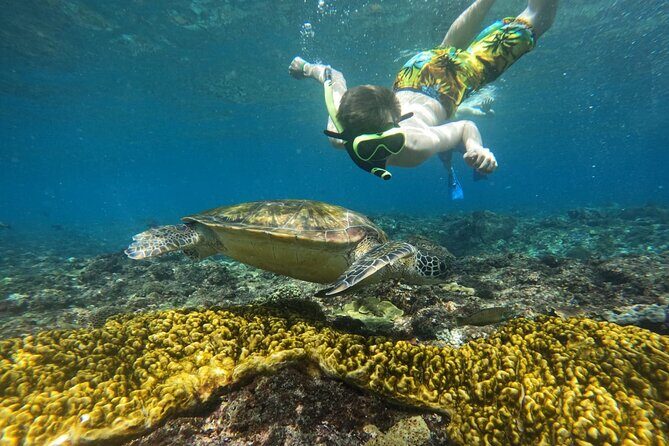
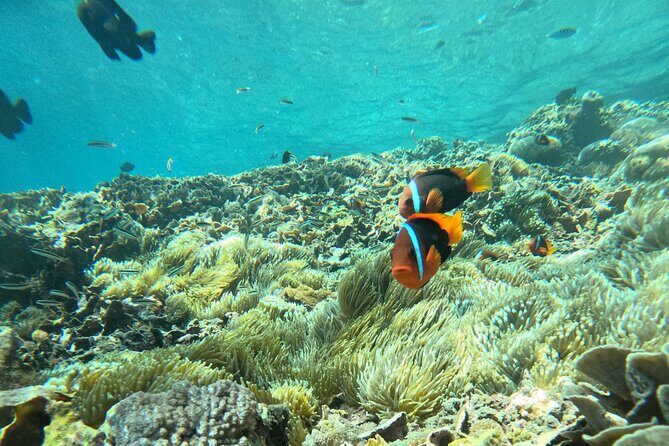
- Crystal Bay: Expect another chance at reef swimming and fish spotting. Even when mantas are the goal, reef life is usually what keeps the water time interesting.
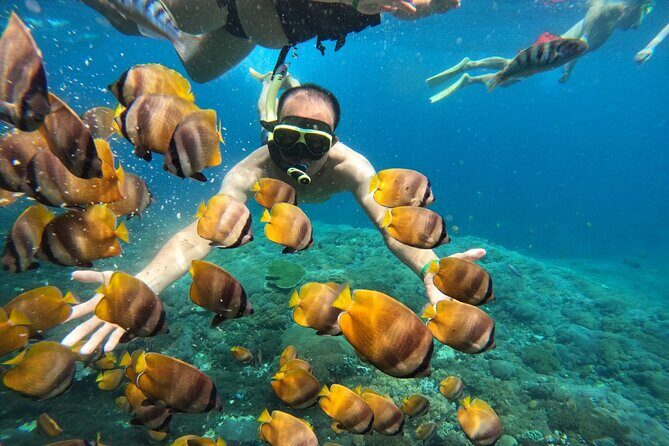
- Gamat Bay: This one is specifically tied to coral reefs in the tour description. If your interest is more than just mantas, this is often where you’ll appreciate the underwater scenery even when the mantas are being shy.
- Wall Bay Point: Another potential stop in the usual rotation. Treat it as part of the day’s “spot-hopping” strategy—some days one bay will be more rewarding than another.
Now, the honest consideration: your schedule isn’t guaranteed bay-for-bay. That’s not a gimmick; it’s how manta snorkeling works. Conditions can change quickly, and the crew’s priority is safety and visibility.
So what should you do as a practical traveler? Keep your expectations flexible. If your heart is set on mantas, focus on what you can control: being comfortable with the gear, following the guide’s instructions, and arriving on time for that early departure so you don’t lose prime water windows.
Underwater Photographer Rhythm and Take-Home Photos
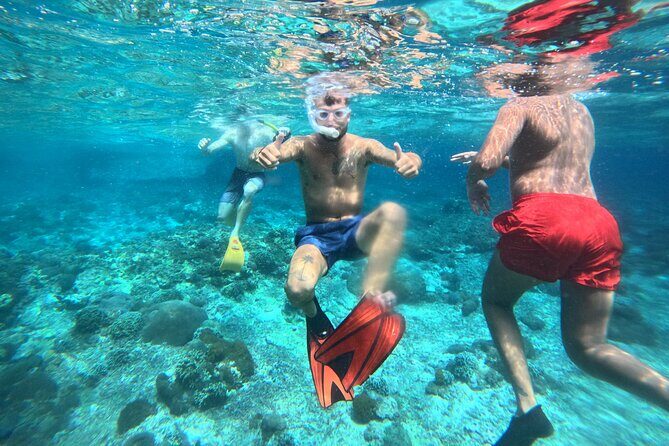
One of the clever touches here is the underwater photographer being on hand to capture shots of you and your group. That’s more than just a nice-to-have.
Why it matters: you’re snorkeling in a place where looking for mantas can be distracting. Having someone dedicated to grabbing the moment means you’re less stuck thinking about poses and more in the “watch and swim” mindset. If you want proof beyond blurry phones at arm’s length, this can be a real value add.
In practice, expect the flow to be photo-friendly but still group-paced. You’ll likely get called into position when the guide thinks visibility and manta activity line up.
If you’re camera-shy, don’t stress. These setups usually focus on getting shots while you’re already in the water, not staging a full photoshoot. You’re still swimming; you’re just swimming with extra attention from the sidelines.
Lunch, Timing, and Energy Management for a 12.5-Hour Tour
The tour includes Indonesian lunch, which sounds simple until you’re facing an early start and a long day. You’ll be on the move for hours, so a proper meal helps more than you think.
A few timing realities to plan around:
- The tour starts early (7:00 am), so breakfast might already be before pickup.
- You’re gone for roughly 12.5 hours, with transitions between water stops and transport.
- Water time can be short when conditions aren’t ideal, but you still spend the day traveling.
Since breakfast isn’t included, I’d treat this as a reason to eat well before you leave your hotel. Bring a small snack for yourself if you know you get hungry between meals, especially if you’re the type who needs steady energy to feel relaxed.
Also, pack for comfort. Even in warm weather, being on and off boats repeatedly can make you feel cool, especially when you’re wet and waiting between stops. The towel option can help, but your best defense is practical layering and a dry change of clothes ready for after snorkeling.


Price Worth It: $67.75 for Boat, Gear, and Local Handling
At $67.75 per person, you’re paying for more than a snorkel ticket. The price covers:
- return hotel transfer by air-conditioned car (from several Bali areas)
- fast boat tickets return
- land transportation on Nusa Penida
- lunch
- snorkeling gear and life jacket (and possibly towel, depending on the option)
Here’s the value angle I’d use when deciding: the tour bundles the hardest parts—transport timing, boat logistics, and getting you to multiple water stops—into one organized schedule. If you were to DIY this, you’d still end up paying for boats and transport, and you’d likely lose time coordinating everything.
At the same time, you should stay smart. This is a shared-group experience. If you’re going for maximum flexibility and private control of the day, you’ll find yourself wanting something else. But if you want the manta-focused snorkeling day without the headache, the pricing can make sense.
One more detail: the tour is booked on average 28 days in advance. That doesn’t guarantee availability on your date, but it’s a sign this departure is popular—so booking sooner rather than later usually helps.
Best Fit: Who This Manta Snorkel Tour Suits
This tour is built for snorkelers of all levels. That’s a big deal. Most manta tours are either for confident swimmers only or they sell beginner-friendly but feel complicated. Here, the included gear and guided safety approach are the reason it can work for a wider range of people.
I think it’s a great fit if:
- you want a guided way to chase mantas without planning the day yourself
- you care about reef snorkeling too, not just one animal sighting
- you prefer a structured schedule, especially with hotel pickup included
It might be less ideal if:
- you hate early starts and long travel days
- you expect one guaranteed bay itinerary regardless of conditions
- you’re extremely sensitive to group pacing and quick transitions
Also, the tour has a moderate physical fitness guideline. That usually means it’s not designed for people who need a very slow, fully assisted pace. If you’re comfortable getting on and off transport and swimming in open water for snorkel sessions, you’re probably in the right zone.
Things That Can Go Wrong (And How to Reduce the Risk)
Nobody books a manta snorkeling day planning for problems. Still, it’s smart to know what can affect your experience.
Here are the most realistic “watch out” areas based on the kinds of issues that have shown up:
- Communication and driver familiarity: If you end up with a driver who doesn’t communicate well in English, you may struggle to ask questions during the ride. Your mitigation is simple: ask the big questions early, and keep expectations clear about timing.
- Gear quality: Some people have reported that equipment felt less solid compared to other snorkel experiences. Your mitigation is to inspect your mask fit and your snorkel usability immediately after pickup and before the boat leaves.
- Fast pace to make the schedule: When tours are tight, driving and transitions can feel rushed. If you’re prone to motion sickness or stress on transport, plan for it. Bring what usually helps you on boats and rides.
- Water conditions deciding the bays: This is the nature of manta snorkeling. If conditions change, you might visit different spots than you hoped for. Focus on the overall day experience rather than fixating on a single bay name.
The good news is that the tour is designed to handle the key variables for you: a guide in the water, a group plan, and logistics covered from pick up to return.
Should You Book This Penida Manta Snorkel Tour?
I’d book it if your priority is a guided, manta-focused snorkeling day that takes care of transport, gear, and meals. The all-inclusive nature of the day—pickup, fast boat, land transport, lunch, and snorkeling equipment—adds up to real convenience for the money.
I’d hesitate only if you’re very picky about equipment quality or you need very smooth communication throughout the day. In that case, message questions before you go, and be ready to check your gear early so you can address issues before they ruin your day.
If you want to maximize your odds, aim for flexibility and show up early, rested, and comfortable. When conditions line up, Penida can deliver the kind of snorkeling moment you remember for a long time.
FAQ
What time does the Penida Island tour start?
The start time is listed as 7:00 am.
How long is the Penida Island tour with manta snorkeling?
The duration is about 12 hours 30 minutes.
Is hotel pickup included, and from where?
Yes. Return hotel transfer is included by air-conditioned car from Nusa Dua, Jimbaran, Kuta, Canggu, Sanur, and Ubud.
Is snorkeling gear provided?
Yes. Snorkeling gear is included, along with a life jacket. A towel is provided if you selected the option that includes it.
What’s included for food?
Lunch with Indonesian food is included. Breakfast is not included.
What if poor weather cancels the trip?
If it’s canceled due to poor weather, you’ll be offered a different date or a full refund. You can cancel up to 24 hours in advance for a full refund.