REVIEW · SEMINYAK
Skip The Line Tour: Uluwatu Temple and Kecak Fire Dance Tour – Half Day
Book on Viator →Operated by TripGuru · Bookable on Viator
The sunset here does the heavy lifting. This half-day tour pairs a guided walk through Uluwatu Temple with the iconic Kecak & Fire Dance in an open-air setting above the sea, timed so the show hits as the light turns dramatic. I especially like the combination of a local guide for context and the convenience of skip-the-line style entry, so you’re not stuck guessing where to go while everyone else crowds the entrance.
My second big plus: the whole thing is built around comfort and timing. You get air-conditioned transport, bottled water, and (if you choose it) hotel pickup and drop-off—plus helpful guidance on seating and navigating the temple grounds. The one drawback to keep in mind is that Uluwatu is still crowded, and the show area can feel packed and warm even when entry is handled for you.
In This Review
- What you’ll get in 5 hours starting at 4:00 pm
- Key things I’d mark on your mental map
- Sunset-ready half day: how the 4:00 pm start really helps
- Uluwatu Temple at 70 meters: what the guided time adds
- A practical note on photos
- Kecak & Fire Dance at the amphitheatre: the show’s rhythm and your best seats
- What your guide helps with
- When to expect discomfort
- Getting there smoothly: pickup, comfort, and how traffic affects the day
- Small-group format means less friction
- Dress code + monkeys: the two things that can make or break the experience
- Dress code is strict
- Monkeys around the temple area
- Price and value: why $32 can be a smart deal
- Small-group vs private: who should choose what
- Choose the small group if
- Choose private if
- The real best-case day: how the guides shape it
- Should you book this Uluwatu skip-the-line temple and Kecak tour?
- FAQ
- What time does the tour start?
- How long is the experience?
- Is hotel pickup and drop-off included?
- What’s included in the ticket price?
- What should I wear?
- Are there monkeys at Uluwatu?
- What if the weather is bad?
What you’ll get in 5 hours starting at 4:00 pm
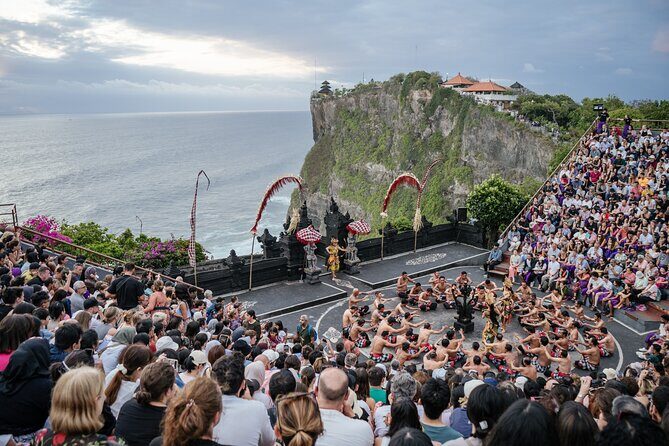
The schedule is short on paper (about 5 hours), but it’s packed with the two things that make Uluwatu memorable: the cliffside temple atmosphere and the Kecak performance powered by human voices and drumless rhythm. Before the show, you’ll see why this place matters spiritually and historically, including the temple’s role as one of Bali’s key sea-cliff temples.
Just plan ahead for two realities: the strict dress code (shoulders, underarms, back, and knees must be covered) and the monkeys around the temple area—watch your bags and keep camera gear tucked away when you can.
Key things I’d mark on your mental map
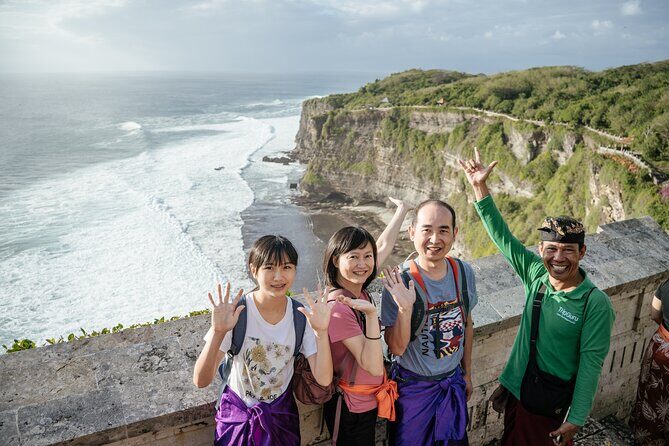
- 4:00 pm timing for that late-day light at the temple and an evening show vibe
- Uluwatu’s cliff setting (about 70 meters above sea level) for epic ocean views
- Local guide time before you wander so you understand what you’re seeing
- Kecak & Fire Dance in an open-air amphitheatre with a human “orchestra” feel
- Small group size (max 5) which usually means less waiting and more personal help
- Dress-code enforcement + monkey management as the practical part of the experience
If you're still narrowing it down, here are other tours in Seminyak we've reviewed.



Sunset-ready half day: how the 4:00 pm start really helps
This tour runs from 4:00 pm and returns you to your start point at the end. That timing is the smart move. Uluwatu Temple is known for its sunset views, and the Kecak & Fire Dance is staged right in the golden-hour rhythm—so your evening doesn’t feel like a random sightseeing sprint.
If you’re staying in or around Seminyak, hotel pickup (when selected) is one of the biggest “quality of life” features. Bali traffic can be unpredictable, and a smooth start reduces the stress you’d otherwise spend trying to find your way across the island at rush hour.
The tour length is listed as about 5 hours, which is ideal if you want something iconic without sacrificing your whole evening. You’ll still do some walking at the temple and you’ll be seated for the show, so bring the same mindset you’d use for a museum plus a concert: comfortable shoes, water, and patience.
Uluwatu Temple at 70 meters: what the guided time adds
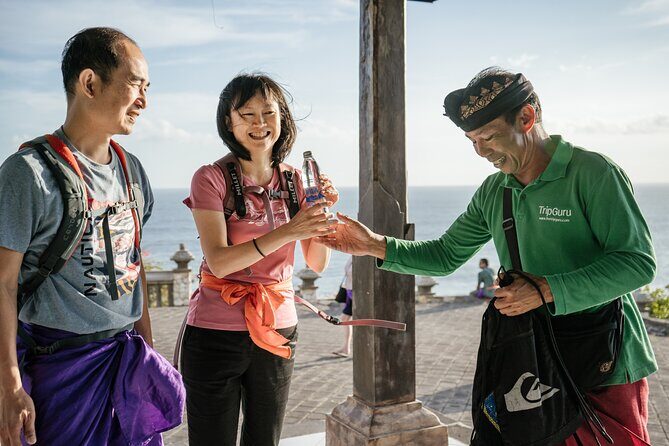
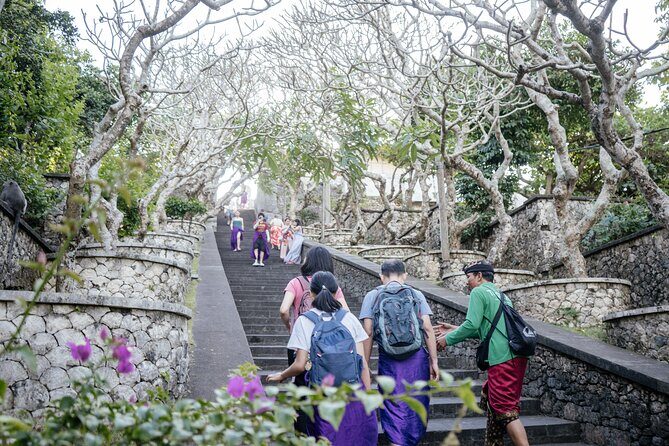
Uluwatu Temple sits around 70 meters above sea level, perched in a sea-cliff setting that makes it feel exposed to the elements. That physical location matters here. When you walk the temple grounds with a guide, it’s easier to connect the architecture and rituals to why this site became such a spiritual “pillar” for Bali.
The guided portion is your chance to slow down and understand what you’re looking at. You’ll learn the historical and religious significance of Uluwatu and its place among Bali’s major temples. That’s not just trivia. It changes how you view the carvings, the layout, and the overall mood of the site—because you’re seeing meaning, not just scenery.
After that, you’ll have time to wander at your own pace and take photos. Just keep expectations realistic: this is a working, visited temple area, not an empty viewpoint. You’ll move with foot traffic, and you’ll want to be mindful of where you stand so you’re not blocking others.
A practical note on photos
The setting is perfect for photos, but the best results come from two simple moves:
- Start taking pictures during breaks in foot traffic (not while everyone is funneling past).
- Keep your camera and small items secure because the next section explains why.
Kecak & Fire Dance at the amphitheatre: the show’s rhythm and your best seats
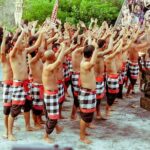
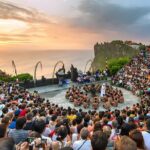
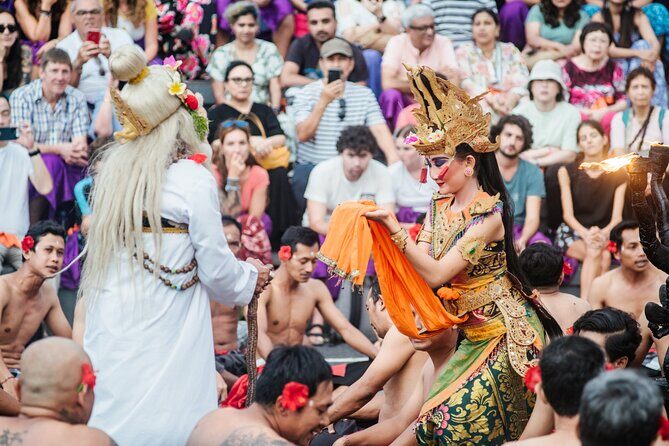
Right before leaving the sacred temple area, you head to the open-air amphitheatre for the Kecak & Fire Dance. This performance is known for its “beat-boxing human orchestra” effect—traditional Balinese song, dance, and storytelling supported by an ensemble of human voices rather than a big percussion setup you might expect.
The visual hook is the staging: the show is backed by the sunset, with the ocean below. That’s why the tour’s timing is so important. If you arrive late or show up at the wrong light level, the whole performance loses some of its magic.



What your guide helps with
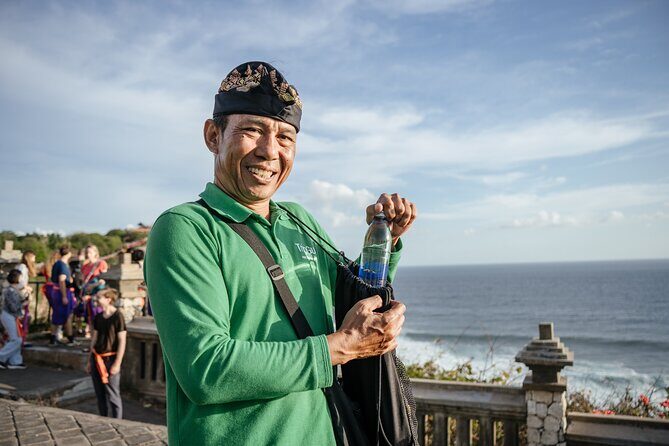
One of the strongest themes from guide feedback is navigation and seating help. People often highlight guides who:
- arrive on time despite traffic,
- manage the monkey area smartly,
- and guide you to the best viewing positions for your group.
Even if you don’t care about “perfect” seats, it helps to have someone help you avoid wasting time scanning around once the crowd starts moving. When the amphitheatre fills, moving around becomes harder.
When to expect discomfort
Even when entry is organized, you’re still sitting outside. The show happens in heat, and you might be waiting as the performance time approaches. Wear breathable clothes that still meet the dress code, and consider bringing a light layer for your own comfort.
Getting there smoothly: pickup, comfort, and how traffic affects the day
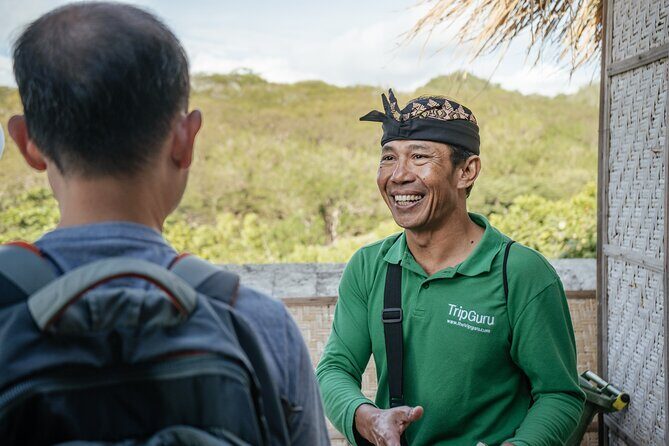
This is a half-day tour that runs on timing, so transport matters. The tour includes an air-conditioned vehicle, bottled water, and an English-speaking guide. If you choose pickup and drop-off, you’re not responsible for planning your own route to Uluwatu.
One reason this matters in real life: you’ll often be leaving near the thickest travel window of the afternoon. More than one guide experience highlights punctual arrivals and smart routing to reduce time stuck in Bali traffic. That can be the difference between enjoying the temple at a calm pace versus feeling rushed when you reach the amphitheatre.
Also, you’re not just being transported. You’re being guided. That shows up in the small practical moments:
- finding the right entrances,
- figuring out where to go next,
- and getting you oriented so you aren’t wandering at peak crowd time.
Small-group format means less friction
The tour is capped at a maximum of 5 travelers, which usually feels calmer than large bus tours. You’ll get more personal attention, and it’s easier for your guide to adjust the pace based on your group.
Dress code + monkeys: the two things that can make or break the experience
Let’s make this plain: Uluwatu has rules, and the monkeys are not shy.
Dress code is strict
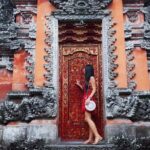
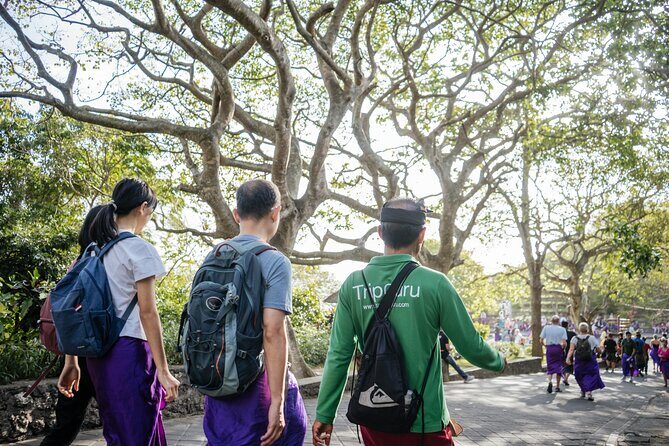
Clothing revealing the shoulders, underarms, back, and knees is not allowed. Enforcement is described as strict. So plan for coverage rather than hoping you’ll get by with a quick fix.
If you’re packing lightly, bring one of these:
- a sarong,
- a scarf,
- or a sweater/light layer you can wrap quickly.
This also helps with temple comfort—temple areas can be sunny, and a light layer can prevent sunburn while still following the rules.
Monkeys around the temple area
There are monkeys in the vicinity known to pick up and engage with items belonging to customers. So treat this like a wildlife zone:
- keep your phone and camera equipment secure,
- don’t carry snacks out where you’ll get distracted,
- and keep small bags closed.
If you do want photos with the monkeys nearby, do it carefully and only when your gear is fully under control. One of the most common bits of helpful guide advice is how to handle monkey interactions without panicking—especially when you’re trying to get a shot.
Price and value: why $32 can be a smart deal
At $32 per person, this tour is positioned as a lower-cost way to see two major Uluwatu highlights without doing logistics yourself.
Here’s what you’re paying for beyond “a ride”:
- English-speaking guide for the temple context and show flow
- Entrance fees included (temple and dance performance)
- Air-conditioned vehicle and bottled water
- Pickup and drop-off if you select that option
- Insurance included
If you’ve ever tried to do Uluwatu as an independent plan, you already know the time sink: finding the right tickets window, figuring out where to line up, then trying to catch the right show time while everyone else crowds the same spots. This tour is designed to reduce that friction.
That doesn’t mean you’ll be totally free of crowds. Uluwatu is still Uluwatu. But you should expect the process to feel controlled—less guesswork, less “where do we go now?” stress.
Small-group vs private: who should choose what
This experience is offered as small-group and private options.
Choose the small group if
- you want a social but not chaotic vibe (max 5),
- you’re okay following a set timing plan,
- and you value having a guide who can handle the flow.
Choose private if
- you want more flexible photo stops,
- you’d like your guide’s full attention,
- or your group has mobility or comfort needs that make a tight schedule harder.
Either way, you’ll still be working within the same physical reality: cliffside temple walking, an outdoor theatre, and the late-day timing that makes sunset the star.
The real best-case day: how the guides shape it
A tour can have great sights and still feel messy. The difference often comes down to the guide’s competence and attitude, and in this case, that’s where you see consistent praise.
People specifically mention guides such as Kadek Oka, Eddy, Donald, Dewa, Komang, Gusti, Adi Putra, Suru, Nusa, Topan, and Gede Yogi. While each style may vary, the repeated strengths are practical:
- punctual pickups and smart driving to protect your show time,
- clear explanations at the temple,
- help navigating monkeys safely,
- and assistance getting good viewing positions for Kecak.
If you’re the type of person who likes to understand what you’re seeing—how the temple fits the religious setting, what the performance story means—an effective guide makes the short 5-hour format feel worth every minute.
Should you book this Uluwatu skip-the-line temple and Kecak tour?
Book it if you want:
- a low-effort way to see Uluwatu Temple plus the Kecak & Fire Dance in one evening block,
- guided context so you’re not just sightseeing landmarks,
- air-conditioned transport and (optionally) hotel pickup to reduce stress.
Consider skipping or planning differently if:
- you hate crowds and would find any packed amphitheatre stressful,
- you have trouble with dress-code requirements (you must cover shoulders and knees),
- or you’re very uncomfortable around monkeys and don’t like handling wildlife safety.
One more tip: since the performance is weather-dependent, plan to be flexible. If weather doesn’t cooperate, you’ll be offered an alternate date or a full refund.
If your goal is one great Bali evening—sunset views, a meaningful temple visit, and a show that feels unlike anything else—this is a solid way to do it without turning your day into logistics homework.
FAQ
What time does the tour start?
The tour starts at 4:00 pm.
How long is the experience?
It’s about 5 hours (approx.).
Is hotel pickup and drop-off included?
Pickup and drop-off are included if you select that option. Otherwise, you meet at the temple.
What’s included in the ticket price?
You get an English-speaking guide, air-conditioned transport, bottled water, insurance, and entrance fees for Uluwatu Temple and the dance performance.
What should I wear?
The dress code is strict: no revealing shoulders, underarms, back, or knees. Bring a sarong/scarf/sweater to cover up.
Are there monkeys at Uluwatu?
Yes. There are monkeys around the area, and they may pick up and interact with customer items. Keep an eye on your belongings.
What if the weather is bad?
This tour requires good weather. If it’s canceled due to poor weather, you’ll be offered a different date or a full refund.