REVIEW · SEMINYAK
Traditional Tempeh Making & Cooking Balinese Cuisine
Book on Viator →Operated by Ayu and Ngurah · Bookable on Viator
Tempeh tastes better when it’s homemade. This small-group Balinese cooking class in the Denpasar area turns a simple soybean staple into something you can explain, cook, and repeat at home. You’ll learn the history of tempeh and the spice logic behind classic Indonesian dishes, then sit down in a garden kitchen-house setting to enjoy everything you made.
I especially like two things about this experience: first, the class is built around tempeh from scratch, not shortcuts. Second, you get to cook and taste a full lunch spread, including dishes like sayur urab with grilled coconut. A fun detail from the teaching style is that Ayu and Ngurah also help you understand the steps well enough that you leave with a practical guide you can use later.
One consideration: this class runs outdoors as part of the experience, and it requires good weather. If rain disrupts the plan, you may need to reschedule, so plan your Bali days with a bit of flexibility.
In This Review
- Key things to know before you go
- Tempeh in Bali: why this class feels different from a typical cooking tour
- Meet Ayu and Ngurah: a small-group home-kitchen vibe with real teaching
- The 9:30 start: what your three hours are really for
- Learning tempeh history while you work the process
- From scratch tempeh: what you’ll learn and why it’s worth the effort
- Balinese and Indonesian spice skills: how you learn more than recipes
- Cooking your lunch: seven dishes, open-air kitchen, garden meal
- Vegan-friendly, with smart flexibility
- Price and value: what $39 buys you in Bali terms
- Logistics that matter: mobile ticket, weather, and fitting it into your day
- Who should book this tempeh class?
- Should you book Traditional Tempeh Making & Cooking Balinese Cuisine?
- FAQ
- What time does the class start and finish?
- Where does the class meet?
- Is there a limit on group size?
- What do I get during the class?
- Do I get lunch as part of the experience?
- What dishes will I make?
- Is the class vegan-friendly?
- How long is the cooking class?
- Can I book a private group?
- What happens if weather is bad?
Key things to know before you go
- Tempeh-making lesson first: you’ll learn the process start-to-finish, not just cook with store-bought blocks
- Small group (max 10): more hands-on attention while you work on spice and cooking steps
- Balinese vegan-friendly options: you can enjoy the tempeh dishes and vegetable plates, with optional meat additions skipped if you want
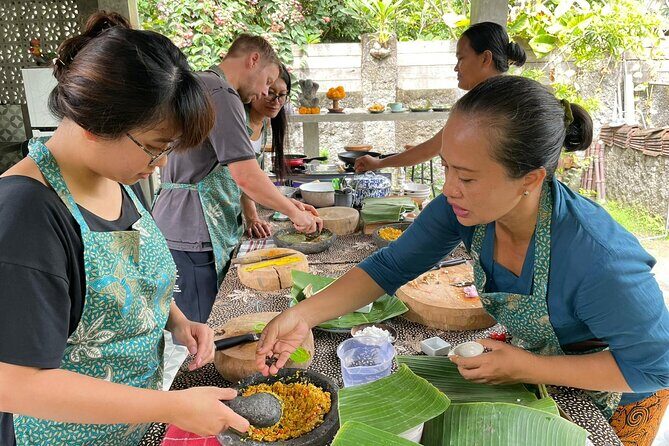
- Open-air kitchen studio then garden meal: you cook in one setting, then eat in a family-style atmosphere outside
- Guidance that sticks: the hosts teach the method clearly and provide a guide you can use at home
Tempeh in Bali: why this class feels different from a typical cooking tour
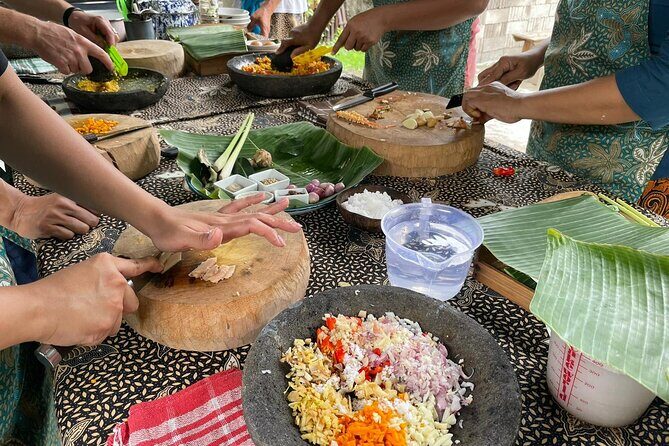
Most cooking classes show you how to cook a few dishes and send you on your way. This one goes further by starting with the star ingredient: tempeh. In Bali cooking, tempeh matters because it’s versatile. You can shape it into comfort food, fold it into vegetable mixes, or serve it as a main that’s satisfying without needing a lot of extra meat.
Tempeh is also deeply tied to the region. It’s originally from Java and has been known since the 1600s, which gives the whole session more weight than a trendy “superfood” pitch. The class frames it as food for everyone, and you learn why it works: tempeh is protein-rich and packed with nutrients, which is a big reason it plays well in a vegan-friendly lunch table.
What I like about the approach is that you’re not just collecting recipes. You’re learning food logic: which spices show up together, how Indonesian dishes build flavor, and how plant-based ingredients can carry the meal. If you’ve ever wondered how people cook Indonesian food without every ingredient coming from a fancy store, this is the kind of class that gives you a map.
If you're still narrowing it down, here are other tours in Seminyak we've reviewed.



Meet Ayu and Ngurah: a small-group home-kitchen vibe with real teaching
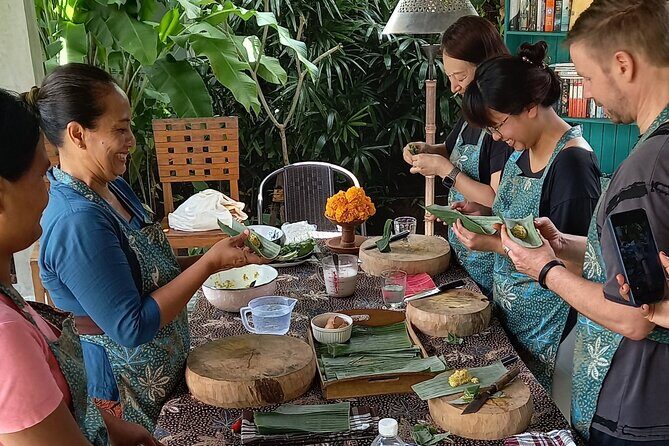
This class is hosted by Ayu and Ngurah, and that matters. The tone you get from them is warm and practical, not showy. Because the group is limited to a maximum of 10 travelers, you’re less likely to feel like you’re watching and more likely to feel like you’re doing.
You’ll start at Canang Sari Homestay in the Denpasar area. The activity ends back at the same meeting point, so you don’t need to plan a second transfer after lunch. That simple “come and go” setup makes it easier to fit into a morning in Bali.
A big value signal here is how clearly they pace the lesson. In the past, guests have praised how thoroughly the steps are taught and how the hosts even provide a guide you can use at home. That’s the difference between eating a great lunch and actually leaving with skills.
The 9:30 start: what your three hours are really for
The class runs from 9:30 AM to about 12:30 PM, and the lunch is part of that window. The timing is smart because you get to cook while your body is fresh, before the mid-day heat makes everything harder. It also means you finish early enough to continue exploring Bali afterward.
During the session, you’ll move through two main phases: first, you focus on tempeh making and the spices behind Indonesian cooking. Then you switch into cooking mode in an open-air kitchen studio, where you turn your ingredients into a full set of dishes.
This isn’t a “watch someone else cook” format. You’re guided through processes and then involved in making the dishes. You’ll also have tea, coffee, water, and a light snack during class, which is helpful if you start the morning hungry.
Learning tempeh history while you work the process
The tempeh portion isn’t treated like a lecture. It’s woven into what you do. You learn about where tempeh comes from and why it became such a staple, and then you apply that understanding to the making step.
Knowing the background helps you cook better. If you understand tempeh as an ingredient that’s built through a process, it makes more sense why the method matters. That context helps you avoid the common problem of thinking tempeh is just a product you buy and eat, instead of something you can reproduce.
One of the most praised moments here is the way Ayu explains and the way Ngurah supports the teaching. Guests have described the history portion as fascinating, and that’s believable: when something is that old in the region, there’s a story behind why it spread.
From scratch tempeh: what you’ll learn and why it’s worth the effort
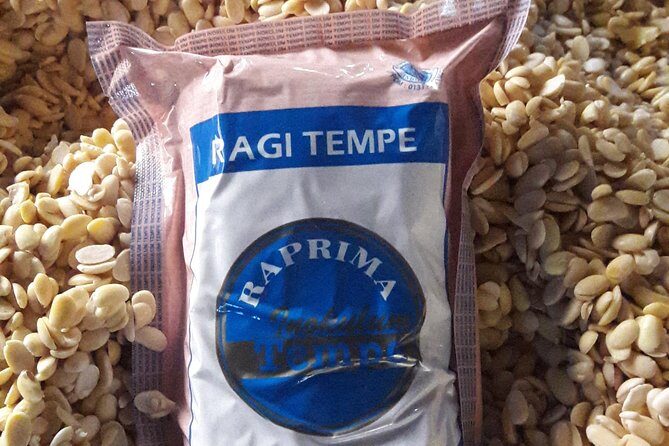
Tempeh from scratch is the heart of the class. You’ll learn how tempeh is made, including the key steps in the process, and you’ll work along the way. This matters because store-bought tempeh is convenient, but it doesn’t teach you anything. Homemade tempeh teaches you how to respect the ingredient.
Here’s what you should keep in mind: tempeh involves a real process, and cooking classes work best when you stay relaxed and follow instructions. If your hands get a bit messy, that’s the point. You’re learning a technique, not scoring a photo.
If you want to cook tempeh at home later, this class is unusually helpful. Guests have specifically noted that they were given a guide to help them make tempeh themselves at home. That’s one of the best “value extras” you can get from a cooking class: a path forward.




Balinese and Indonesian spice skills: how you learn more than recipes
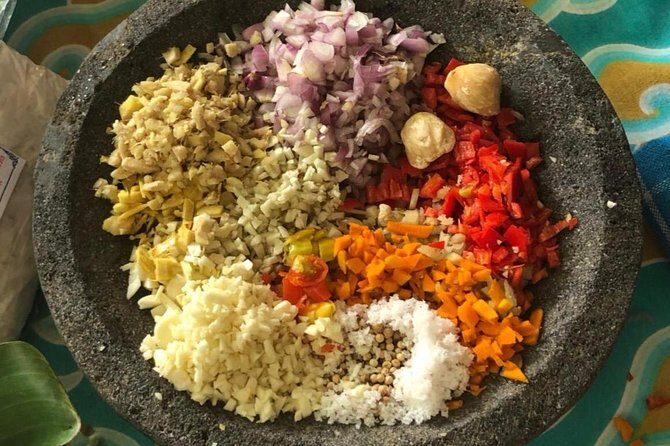
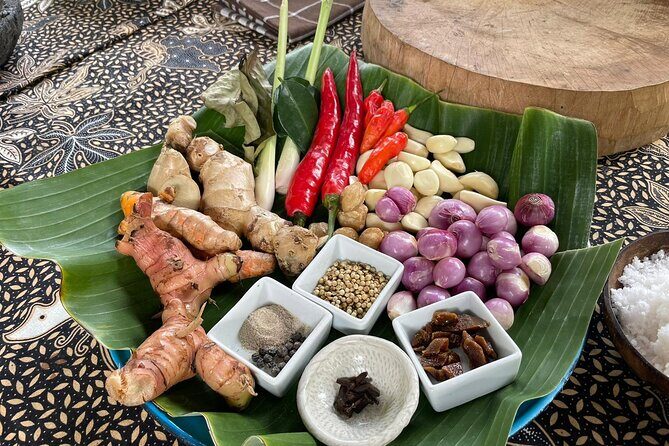
The class doesn’t treat spices like a random list. It teaches you the way Indonesian cooking builds flavor. You’ll discover the wide range of spices used in Indonesian recipes and how they show up in combination.
What makes this useful is that once you understand the logic, you can adapt recipes. For example, if a dish relies on aromatics plus grinding plus frying, you can swap in what you can find locally while keeping the method. That’s how you avoid becoming stuck with only one set of ingredients.
This is also where a small group helps. When you’re working at a table with attention from the hosts, you can ask questions about texture, amounts, and timing. Those are the details that often get lost in bigger classes.
Cooking your lunch: seven dishes, open-air kitchen, garden meal
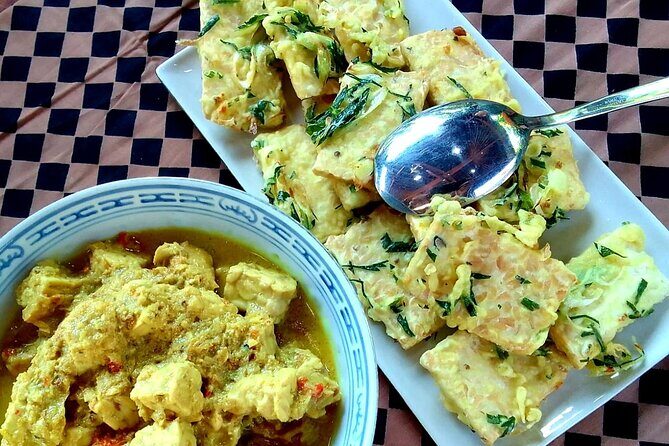
After the tempeh-making focus, you move into cooking the lunch portion. You’ll use plant-based ingredients and cook them from scratch. This is also where the class stays vegan-friendly, with options.
One dish you’ll make is sayur urab, a vegetable style made with greens and beans mixed with grilled grated coconut. The coconut component is a key flavor builder, and the way it’s used matters. You’re not just adding coconut for richness; you’re using it as a core part of the texture and finish.
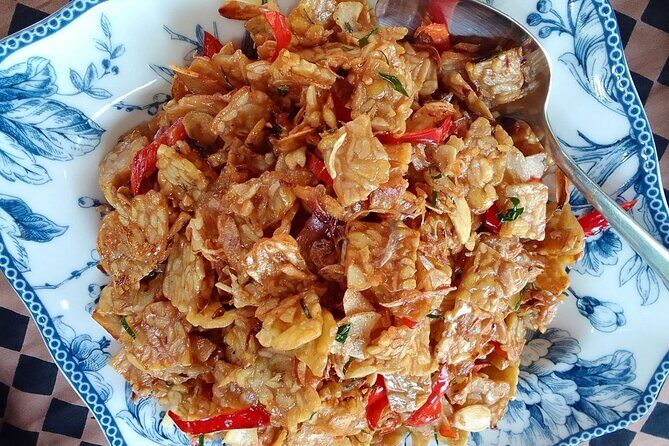
You’ll also make tempeh-based dishes. The exact plates can vary, but the class is structured around tempeh as the anchor ingredient, plus balanced side dishes that make the lunch feel complete rather than like a snack.
There’s an important option note: the class description says you’ll add chicken and tuna in some dishes, or you can skip this if you’re vegan. So if you eat plant-based, you’ll likely still end up with a full lunch worth of food. It’s still smart to flag your needs clearly at the start.
Finally, you eat what you made. The meal happens in the garden of a cozy home with a family atmosphere. It’s not a stiff restaurant setup. You’ll share the lunch spread as a group, which makes the whole experience feel like a real home-cooked moment rather than a production line.
Vegan-friendly, with smart flexibility
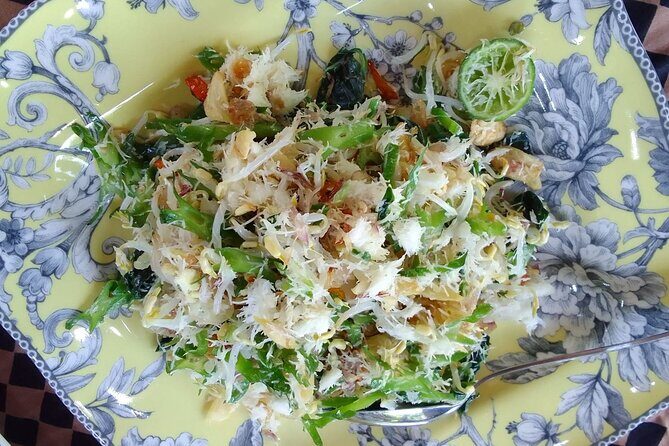
The class is described as vegan friendly, and that’s reinforced by the option to skip meat additions. What I like about this flexibility is that it keeps the lunch satisfying for different diets without making you feel like you’re on a separate track.
When you’re plant-based, Indonesian meals can sometimes feel limited if tempeh isn’t treated as a main. Here, tempeh is not a garnish. It’s treated as a feature ingredient, and you learn dishes where it carries flavor and protein.
This also means you’ll leave with ideas for how to build a vegan lunch that feels Balinese rather than just “generic vegetarian food.” If you love spices and want something hearty without meat, this is a strong match.
Price and value: what $39 buys you in Bali terms
At $39 per person, this class feels reasonably priced for a 3-hour morning session that includes hands-on tempeh making and a full lunch spread. Cooking classes in Bali can vary widely in cost, but what pushes this one into good value is the combination of:
- small group size (max 10), which means more attention
- a full ingredient lesson focused on tempeh from scratch
- lunch featuring multiple dishes, not just one or two samples
- hosts who explain steps thoroughly and offer a guide you can use later
You’re also not paying extra for soft drinks and basic refreshments; tea, coffee, water, and a light snack are included. That may sound minor, but it matters when you start cooking at 9:30 AM.
One other value detail: private group options are available upon request. If you’re traveling with a small group of friends or want a more tailored pace, that can be worth exploring.
Logistics that matter: mobile ticket, weather, and fitting it into your day
The class uses a mobile ticket, which is easy if you don’t want to manage printouts. It starts at 9:30 AM and ends back at the meeting point by about 12:30 PM, so you’re not stuck planning extra transport after lunch.
Weather matters here. The experience requires good weather, and if it’s canceled due to poor conditions you’ll be offered a different date or a full refund. That’s pretty standard for outdoor parts of Bali cooking experiences, but it’s worth planning around.
Since it’s scheduled early in the morning, I’d also keep your other plans flexible. The earlier you pack in your day, the more likely rain or timing changes will cause stress. Give yourself a bit of breathing room after lunch.
Who should book this tempeh class?
This is for you if:
- you want more than a food tasting and want real cooking technique
- you eat vegan or you’re curious about plant-based Indonesian dishes
- you like hands-on lessons and small-group attention
- you want a Balinese experience that connects spices, food culture, and ingredient history
It may not be the best fit if you’re short on time and need a very flexible schedule, since it runs for about three hours and relies on good weather.
If you’re the type who hates leaving with only recipes written on paper and prefers to understand how to reproduce results, this class is built for you. The guide for making tempeh at home is the kind of practical takeaway that makes a cooking class feel like an investment rather than a one-time moment.
Should you book Traditional Tempeh Making & Cooking Balinese Cuisine?
Yes, if you want a morning cooking class that’s genuinely about learning. The biggest reasons to book are simple: tempeh from scratch, a small group with attentive hosts (Ayu and Ngurah), and a full lunch of Balinese Indonesian dishes you help prepare.
If you’re unsure about whether it will suit your diet, the vegan-friendly setup plus the option to skip meat additions make it a safer choice than many mixed-diet cooking experiences. Just plan around the weather requirement and give yourself enough space in your schedule.
If you’re in Bali looking for an authentic food experience that feels local and practical, this one earns a spot on your list.
FAQ
What time does the class start and finish?
The class starts at 9:30 AM and finishes by about 12:30 PM, including lunch.
Where does the class meet?
The meeting point is Canang Sari Homestay, Gg. Kaswari No.6, Dangin Puri Kaja, Kec. Denpasar Utara, Kota Denpasar, Bali 80234, Indonesia.
Is there a limit on group size?
Yes. The class has a maximum of 10 travelers.
What do I get during the class?
Tea, coffee, water, and a light snack are provided during the class.
Do I get lunch as part of the experience?
Yes. After cooking, you sit down for lunch in the garden with the dishes you prepared.
What dishes will I make?
You’ll make tempeh-based dishes and Balinese Indonesian dishes such as sayur urab (greens and beans with grilled grated coconut). The class also includes additional recipes as part of the lunch set.
Is the class vegan-friendly?
It’s described as vegan-friendly. The class notes that chicken and tuna can be added, but they can be skipped if you are vegan.
How long is the cooking class?
It’s approximately 3 hours.
Can I book a private group?
Private group options are available upon request.
What happens if weather is bad?
The experience requires good weather. If it’s canceled due to poor weather, you’ll be offered a different date or a full refund.