REVIEW · SEMINYAK
Ubud Tour Monkey Forest, Rice Terrace, Swing, Temple, Waterfall
Book on Viator →Operated by Era Bali Tours · Bookable on Viator
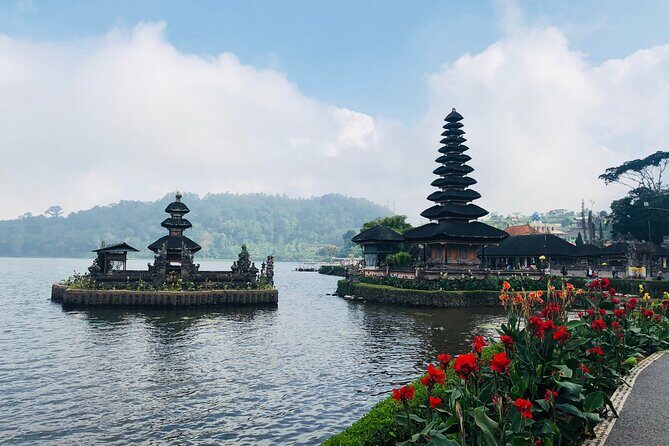
Bali is best when you pack the right stops. This Ubud day tour strings together several of the island’s most famous sights with a private vehicle and an English-speaking driver-guide—often starting with a friendly meet-up from Era Bali Tours or guide Nyoman. You’ll hit Sacred Monkey Forest Sanctuary, the Tegalalang Rice Terrace views, Tirta Empul’s holy springs, Tegenungan Waterfall, and the gold-and-silver craft scene in Celuk.
What I like most is the simple flow: you’re not bouncing between buses, because you’ve got your own ride and someone who can steer the day. I also like the variety. One stop is macaques and temples, another is traditional Subak rice irrigation, then you get Hindu water rituals at Tirta Empul, plus that classic waterfall scenery. The one thing to plan for is a long day: 8 to 10 hours, and entrance tickets or activity tickets are not included.
If you want a first-time-friendly Ubud circuit that still feels personal, this is a strong fit—especially with a private group of up to 5. Just go in expecting heat, occasional crowds, and a few paid sights along the way.
In This Review
- Key things I’d circle in your planning
- A Ubud day built for variety, not just checkboxes
- Price and what $60 per group really buys
- Getting around Ubud: pickup, timing, and comfort
- Sacred Monkey Forest Sanctuary: temples, macaques, and etiquette
- Tegalalang Rice Terrace: Subak irrigation views you can explain
- Tirta Empul Temple: holy springs and the logic of the pools
- Swing Valley and Tegenungan Waterfall: photo time with real-world limits
- Celuk Village: gold and silver crafts without the hard sell
- How to make an 8–10 hour circuit feel smooth
- Who should book this Ubud day tour (and who might skip it)
- The big question: should you book it?
- FAQ
- How long is the Ubud day tour?
- What is the group size for this experience?
- Is pickup included?
- What does the price include?
- Are entrance tickets included?
- Is lunch included?
- Who provides the tour guidance?
- Is free cancellation available?
- FAQ
- What kind of ticket do I get?
- Is the tour suitable for most people?
Key things I’d circle in your planning
- Private transport and driver-guide: Your own air-conditioned minivan makes the day easier to manage.
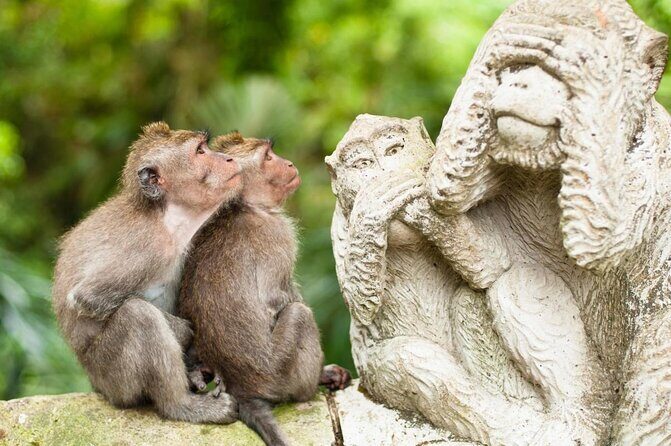
- Monkey Forest temple + real macaque habitat: You’ll see multiple groups of long-tailed macaques and three temple areas.
- Tegalalang rice terraces and Subak irrigation: An irrigation system tied to Tri Hita Karana philosophy dates back centuries.
- Tirta Empul’s 30 showers: The bathing pools are organized into specific areas with distinct names.
- Tegenungan Waterfall is rain-dependent: Water amount and clarity can shift based on rainfall.
- Celuk Village is souvenir-friendly: Gold and silver crafts, and that stop is listed as free admission.
A Ubud day built for variety, not just checkboxes
This is the kind of day you’ll remember because it covers different sides of Ubud. You start with the Sacred Monkey Forest Sanctuary atmosphere—part temple, part forest habitat—then you move into rice terrace country, then temple water rituals, then a waterfall. It’s not just scenery; it’s a sampler plate of how Bali looks and behaves in real life.
You’ll also get practical value from the private setup. The itinerary is long enough (8 to 10 hours) that timing matters, and driving separately to each spot is where DIY plans tend to break down. With a private vehicle, you can keep the day moving without doing mental math on routes, parking, and ticket lines.
If you're still narrowing it down, here are other tours in Seminyak we've reviewed.

Price and what $60 per group really buys
The tour price is $60 per group (up to 5). That sounds like a bargain when you consider you’re paying for private air-conditioned transport plus an English-speaking driver-guide for a full Ubud circuit.
One catch: the tour price does not include lunch and it does not include entrance tickets or activity tickets. So your real budget is the $60 plus whatever you choose to pay on-site. The good news is at least one stop—Celuk Village—is listed as free admission, so not every location adds a ticket cost.
If you’re traveling as a small group, this is where the value shines. A private day in Bali can cost more fast when you split a taxi or hire a driver without bundling sights. Here, you’re buying time and logistics.
Getting around Ubud: pickup, timing, and comfort
Pickup is offered, and the tour uses a private vehicle and an air-conditioned minivan. That matters because Ubud days are usually hot, and roads can be slow, especially when everyone else is going to the same top sights.
A detail that can make or break the day is how smooth the communication is. The service here has a track record of punctual pickup and clear coordination—even when people are dealing with spotty mobile service. That’s the boring part, but it’s exactly what helps you enjoy the fun parts.
Plan for a long stretch. The stops are listed around 1 hour each, but the travel and waiting time add up. Bring water habits, sunscreen, and a light layer for the car. You’ll get bottled water included, but you’ll still feel the day.
Sacred Monkey Forest Sanctuary: temples, macaques, and etiquette
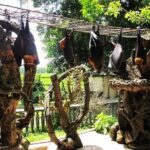
The Mandala Suci Wenara Wana sanctuary (Ubud Monkey Forest) is a temple-forest complex and a living habitat for long-tailed macaques. It’s not a zoo. You’re walking among multiple groups of monkeys and several temple areas, including Dalem Agung Padangtegal Temple, Holy Spring Temple, and Prajapati Temple.
The numbers here are impressive: about 1,049 monkeys are said to live in the sanctuary, divided into six groups. That means you’re likely to see macaques close up, including near temple areas and conservation zones.
Practical advice for your visit: keep small items secure. Don’t carry dangling jewelry or loose bags that invite grabbing. If a monkey approaches, stay calm and don’t try to feed them or provoke them. You’re in a sacred, managed community space, so respectful behavior is the easy win.
The one downside to consider: Monkey Forest is popular, and it can feel chaotic in peak hours. If your photos matter, arrive with a mindset of quick moments rather than perfect shots.
Tegalalang Rice Terrace: Subak irrigation views you can explain

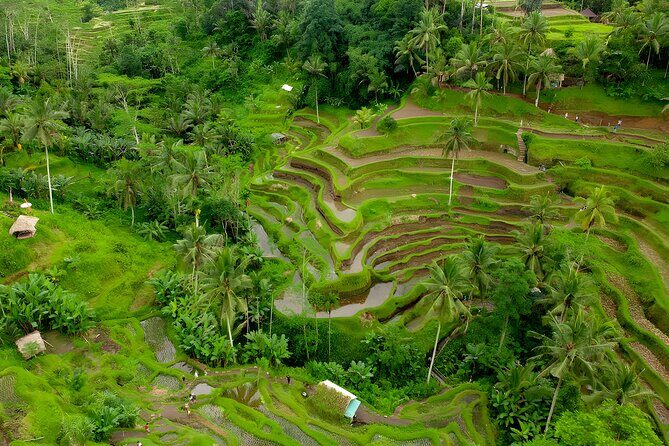
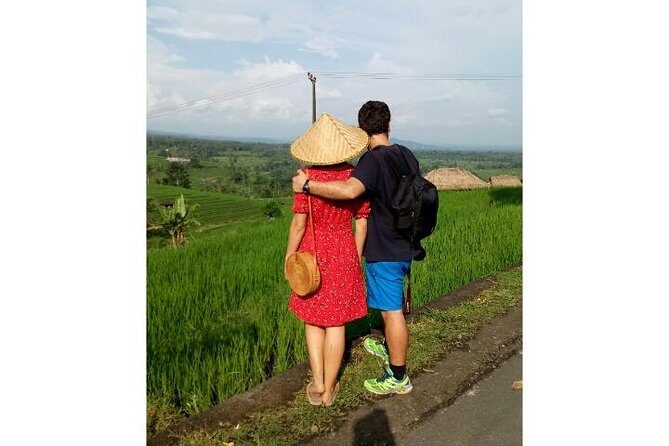
Tegalalang Rice Terrace is one of the big Ubud classics, and it’s famous for the cliffside terrace look. It sits north of Ubud in Tegalalang Village, around 600 meters above sea level, which helps keep the air a bit more pleasant than the lowlands.
What I like about this stop is that it’s more than pretty steps down a hill. Tegalalang is tied to the Balinese traditional irrigation system called Subak, dating back to the 9th century. The system is linked to the Tri Hita Karana philosophy, which connects harmony between people, nature, and the divine.
So when you look at the terraces, you’re not just seeing a postcard. You’re seeing a working cultural method for growing rice.
A realistic note: terraces are naturally crowded and photo-heavy. You’ll likely spend your hour hopping viewpoints. If you want the best photos, focus on depth and angles rather than just wide shots, because the terrace layers give you strong foreground and background options.


Tirta Empul Temple: holy springs and the logic of the pools
Tirta Empul Temple centers on a large water spring, and it dates back to around 962 A.D. during the Warmadewa dynasty period. The name Tirta Empul comes from the spring water source itself.
This stop is more “ritual-focused” than the rice terraces. The temple is described as having three sections: Jaba Pura (front yard), Jaba Tengah (central yard), and Jeroan (inner yard). The central yard holds two pools with 30 showers, each set up for specific bathing activities.
Some of the pool/showers are named: Pengelukatan, Pebersihan, and others including Sudamala dan Pancuran Cetik (described as poison). Even if you don’t fully memorize the names, it helps to know there’s a structure to the bathing areas—this isn’t just a place to splash around.
What the water connects to: the spring is also described as the source of the Pakerisan river. And spiritually, the temple is dedicated to Vishnu (also referenced as Narayana).
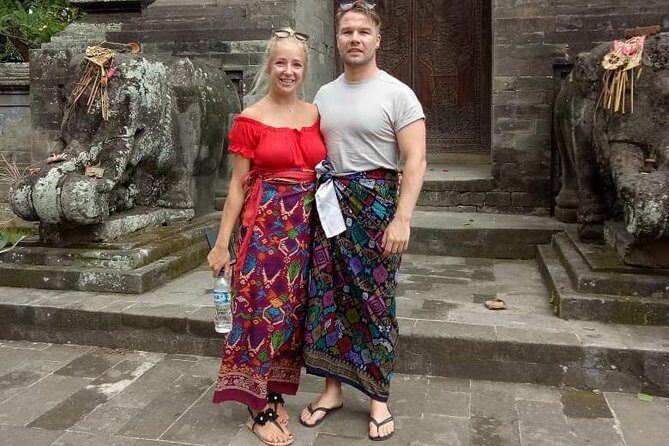
The main consideration: your comfort matters here. Wear clothing you can manage if you’re participating, and be ready for cool water in a ritual setting. Even if you just watch, give people space and follow the flow.
Swing Valley and Tegenungan Waterfall: photo time with real-world limits
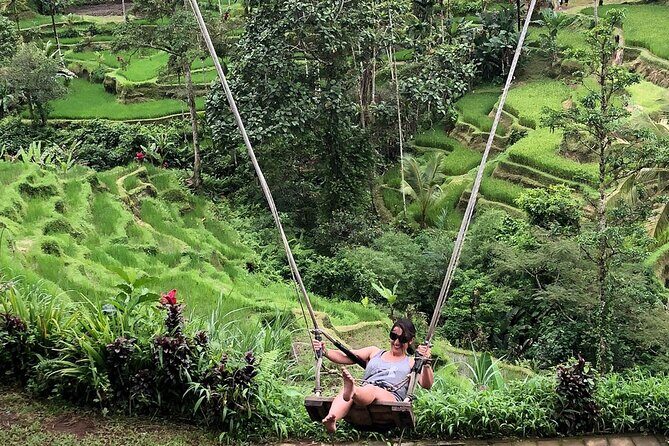
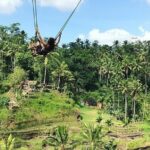
Swing Valley is listed as part of the full Ubud highlights, and it usually means timed photo opportunities and an activity component. Since the tour notes say entrance and activity tickets aren’t included, you should plan on paying for any paid swing experience directly on-site.
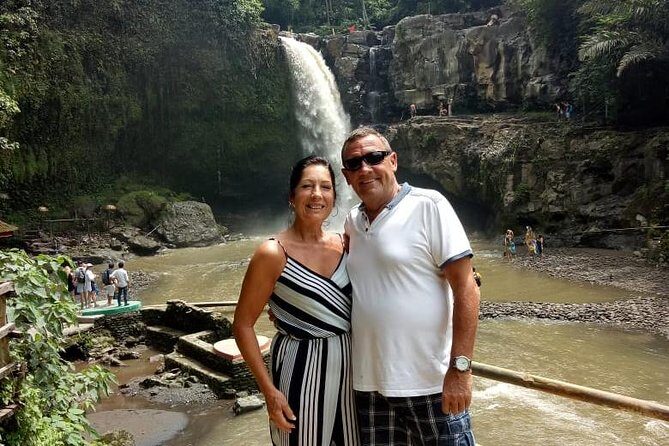
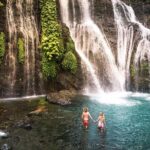
Then you move to Tegenungan Waterfall, a popular spot near Tegenungan Kemenuh in Gianyar Regency, north of Denpasar. Here’s what’s especially useful to know: this waterfall is described as not being in highlands or mountainous territory. That can make it feel easier to reach and more accessible than some Bali waterfalls.
The waterfall experience also depends on rainfall. The amount and clarity of the water can change, and the site has green surroundings with fresh water that can be swum in. There are stairs after descending down, and there’s a viewing point to the jungle and waterfall at the entrance.
Practical photo advice: protect your phone and camera. Wet air + mist can be tricky. Also, consider where you stand—slippery edges are a real risk at waterfalls.
If you’re unlucky with weather: water flow may be less dramatic after dry spells. The scenery is still pretty, but the “wow” factor can shift.
Celuk Village: gold and silver crafts without the hard sell
Celuk Village is known for traditional Balinese craft families specializing in gold and silver. It’s in Sukawati area of Gianyar Regency, and it’s basically become a craft-tour stop centered on jewelry and metalwork.
The key detail that makes this stop useful is what you’ll actually see: production of rings, jewelry items, and export-style work coming from local skilled artisans. It’s not just a single shop; it’s a craft village with many families involved.
This is also one of the few stops listed as free admission. So it’s a nice “reset” in your day: you can look around, compare pieces, and see how craftsmanship looks before you commit to buying.
What to look for: ask questions about materials and how pieces are made. If you’re shopping for souvenirs, set a simple budget before you enter, because jewelry displays can make time disappear.
How to make an 8–10 hour circuit feel smooth
This is a full-day format, and that means energy management matters as much as sightseeing. Here’s how I’d approach it if you want fewer stress moments:
- Start with comfortable shoes because you’ll walk temple grounds and terrace paths.
- Bring sun protection. Ubud heat shows up fast, even if mornings feel pleasant.
- Have realistic photo expectations. With multiple famous stops, you’ll likely share viewpoints with other people.
- Keep small items secure at Monkey Forest. Quick grabs happen when macaques get curious.
- Budget for tickets. Entrance and activity tickets aren’t included, and lunch isn’t included.
One more smart move: treat this day as a “great highlights” day, not a slow cultural deep dive. If you want deeper museums or extra villages, you’ll need extra time in Ubud on separate days.
Who should book this Ubud day tour (and who might skip it)
This tour fits best if you:
- Want an efficient Ubud loop with a private driver-guide and air-conditioned comfort.
- Are seeing Bali for the first time and want icons like Monkey Forest, rice terraces, Tirta Empul, and Tegenungan Waterfall in one day.
- Travel with a small group (up to 5) and want better logistics than DIY.
You might think twice if you:
- Hate long days and want fewer stops.
- Don’t want to deal with paying entrance and activity tickets on-site.
- Are very sensitive to crowds. These are popular landmarks.
The big question: should you book it?
I think this is a smart booking for most first-timers who want a high-value day in Ubud without transportation headaches. The price is competitive for private transport, and the stop selection covers both Bali’s nature sights and its temple-water culture.
My main caution is simple: go in knowing tickets and lunch cost extra, and this is an all-day rhythm. If you’re okay with that, you’ll come away with a full set of Ubud memories—monkeys, terraces, holy springs, and waterfall views—in one guided run.
FAQ
How long is the Ubud day tour?
The tour runs about 8 to 10 hours.
What is the group size for this experience?
It’s a private tour/activity, and the group size is up to 5.
Is pickup included?
Yes, pickup is offered.
What does the price include?
The price includes transport by private vehicle, transport by air-conditioned minivan, and bottled water.
Are entrance tickets included?
No. Entrance tickets and activity tickets are not included. Celuk Village is listed as free admission.
Is lunch included?
No, lunch is not included.
Who provides the tour guidance?
An English-speaking tour guide drives you as part of the private vehicle service.
Is free cancellation available?
Yes. You can cancel up to 24 hours in advance for a full refund.
FAQ
What kind of ticket do I get?
The tour includes mobile ticketing.
Is the tour suitable for most people?
The experience notes say most travelers can participate.