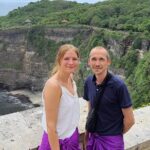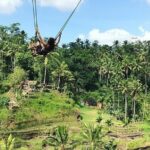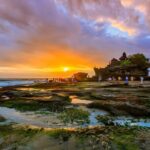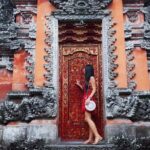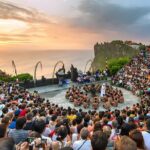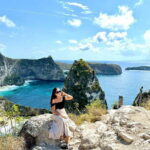
A holy-water temple sets the tone for this Ubud day. This private tour rolls culture, scenery, and artisan stops into one smooth 8-hour loop, with a private driver-guide who can explain what you are seeing. I also love the chance to experience Tirta Empul Temple and its holy-water ritual up close, not just from behind a ticket gate. One thing to consider: a couple stops are tied to craft shops, and you may feel more selling pressure than you want if you prefer to just look.
You’ll get door-to-door pickup in a comfortable air-conditioned car, plus bottled water and free Wi-Fi in the ride. The price is $23 per person for a full-day itinerary, and it usually gets booked about 10 days ahead, so it’s worth reserving early if your dates are fixed.
In This Review
- Key highlights to know before you go
- How a private Ubud route saves your day
- The big star: Tirta Empul Temple and its holy water meaning
- Stop details: what you’ll do at each location
- Stop 1: Bali’s holy-water ritual at Tirta Empul (about 1 hour)
- Stop 2: Traditional house views at Bali Traditional House Gung Aji (about 1 hour)
- Stop 3: Tegalalang Rice Terrace (about 1 hour)
- Stop 4: Tegenungan Waterfall (about 1 hour)
- Stop 5: Wood carving and art in Mas Village at Dewa Malen Wood Carving (about 1 hour)
- Stop 6: Coffee plantation at Teba Sari Bali Agrotourism (about 1 hour)
- How the timing really works for an 8-hour private day
- Price and value: why $23 can feel like a bargain
- The selling pressure issue: how to handle craft and shop stops
- Who this tour suits best (and who should skip it)
- Should you book this Ubud tour with Tirta Empul?
- FAQ
- What is the price for the Ubud tour with Tirta Empul Temple?
- How long is the tour?
- Does the tour include hotel pickup?
- Are entrance tickets included or do I pay separately?
- Is lunch included in the price?
- Can I cancel for a full refund?
Key highlights to know before you go

- Tirta Empul holy water ritual (you can join or watch) at a temple that’s open to the public
- Private driver-guide with real flexibility, including helpful guidance on what matters at each stop
- A tight 8-hour route that balances temples, viewpoints, rice terraces, waterfalls, and villages
- Craft and coffee stops where you can taste local life beyond the main tourist sights
- Optional entrance-fee upgrade to reduce the hassle of paying on the spot
How a private Ubud route saves your day
.jpg)
This tour is built for one simple thing: using your time wisely. You’re not crammed into a large bus group, and the driver-guide is there to narrate while still giving you time to explore on your own.
That matters in Bali because the “Bali plan” can be fluid. In reviews, guides like Kadek Nova and John are praised for being attentive and for adjusting the flow based on what you want to spend time on. If you’re the type who likes to linger at one spot and speed through another, private helps.
The other practical win: you’re in an air-conditioned car with bottle water and free Wi-Fi. Between stops—especially in hotter hours—that comfort can feel like part of the value.
If you're still narrowing it down, here are other tours in Seminyak we've reviewed.

The big star: Tirta Empul Temple and its holy water meaning
.jpg)
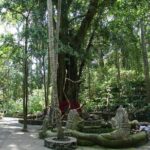
Tirta Empul Temple is the reason many people book this day, and the focus is clear. It’s a beautiful temple in Gianyar, and it’s famous for its holy water. The temple is also open for public access, which makes it realistic to plan your visit even if you are not doing a full-day cultural deep dive.
Here’s what to expect once you’re there. You’ll have about 1 hour, and the tour gives you a choice: you can participate in the Hindu ritual or simply watch. The ritual itself involves steps inside the temple area, and you may be directed about what to bring or wear.
One detail worth taking seriously: there can be a sarong charge tied to participating in the holy water ritual. The guidance from the tour provider is that the customer’s choice matters—you’ll pay for the sarong if you want to carry out the ritual. So if your plan is watch-only, you are not forced into participating.
In reviews, guides such as Yoga and Agus are called out for helping visitors understand what’s going on and how to participate properly. That’s not a small benefit. At Tirta Empul, understanding the purpose helps you avoid feeling like you’re just following strangers through a process.
Stop details: what you’ll do at each location
.jpg)
This is a full-day route with multiple short stops. The format is consistent: arrive, spend about 1 hour at the main cultural points, then move on. That schedule is great for seeing a lot without turning the day into a blur.
Stop 1: Bali’s holy-water ritual at Tirta Empul (about 1 hour)
Admission is marked as included for this stop, so you should be able to focus on the experience instead of counting small entry costs. The best use of your hour is to split it: time to understand the setting first, then time to watch (or join) the ritual without rushing.
If you’re worried about getting it wrong, don’t be. A good driver-guide can explain what you should do and what you should expect. In particular, review comments credit guides like Yoga for being helpful and informative during the temple visit.
Stop 2: Traditional house views at Bali Traditional House Gung Aji (about 1 hour)
Next up is Bali Traditional House Gung Aji in Batuan, Gianyar. The draw here is the view of Bali traditional houses. This stop is less about a single “must-see moment” and more about stepping into a place that shows how houses are arranged in the local style.
Admission is marked included for this stop. If you like architecture, village layout, or just getting a quick sense of everyday Balinese life, this can be a satisfying break from the larger, more chaotic temple scenes.



Stop 3: Tegalalang Rice Terrace (about 1 hour)
This is the classic Bali rice terrace stop: Tegalalang Rice Terrace. The itinerary marks admission as free here, so your cost stays controlled while you still get a headline sight.
Plan your visit like this: don’t rush to take photos and leave. Instead, spend your hour choosing a viewpoint and letting your eyes travel across the terraced fields. Even if you’ve seen pictures before, the scale and the way paths cut through the terraces feel different in person.
Stop 4: Tegenungan Waterfall (about 1 hour)
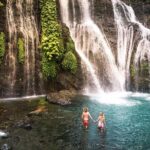
Tegenungan Waterfall is on the route and is described as spectacular, not just a quick roadside spill. Admission is marked as free for this stop.
The time here is tight, so your best move is to decide early where you want to stand and then adapt. Waterfall viewing can be crowded, and the best spot changes with where people move. If you want a calmer experience, aim to give yourself a few minutes to find your angle rather than locking onto the first view.
Stop 5: Wood carving and art in Mas Village at Dewa Malen Wood Carving (about 1 hour)
Now for the artisan side: Dewa Malen Wood Carving in Mas Village. The area is known for wood arts, and the stop is positioned as a place to see professional wood craft work.
Admission is marked included. This is one of the stops where your attitude matters. If you want to buy, you’ll have time to browse. If you don’t want to buy, go in with clear boundaries.
And here’s the balanced reality: one review notes that the first two places felt like they were included largely for shopping, and that a shop visit became awkward with pressure to purchase while someone followed them. That kind of experience can happen when cultural stops overlap with sales. If you prefer “look only,” you’ll want to be firm early and keep your conversation short.
Stop 6: Coffee plantation at Teba Sari Bali Agrotourism (about 1 hour)
This final stop connects Bali’s culture to one of its biggest exports: coffee. Teba Sari Bali Agrotourism is presented as a coffee plantation visit.
Admission is marked as free here, which helps keep your total day costs reasonable. Even if coffee tasting is not your priority, this stop is still useful because it breaks up the day with agriculture and gives you a different kind of local setting than temples and terraces.
How the timing really works for an 8-hour private day
.jpg)
The tour runs about 8 hours total, and each main stop is around 1 hour. That means you’re not stuck at one place all day, but you also aren’t just doing a 20-minute drive-by.
In practice, the schedule is what helps this tour feel like value. You’re covering a lot of Bali highlights—Tirta Empul, rice terrace, waterfall, and two village-style stops—without paying for separate transport or multiple separate tours.
Also, the car pickup and drop-off rhythm matters. Reviews praise punctual pickup by guides such as Tude, and the general pattern is smooth departures from your accommodations. If you’re staying in Seminyak or nearby south Bali areas, the tour is marketed as offering transfers from hotels in Ubud and much of south Bali.
Price and value: why $23 can feel like a bargain
.jpg)
Let’s do the math with what you actually get. At $23 per person, you’re paying for:
- a private air-conditioned car
- an English-speaking driver-guide
- bottled water
- free Wi-Fi
- insurance
- and a set route across multiple major Ubud-area sights
Lunch is not included, so plan to eat either on the way or after the tour. Guides in reviews also suggest restaurants when asked, and that can be a smart way to avoid random tourist traps.
Entrance fees are the one variable. The tour offers an optional entrance ticket upgrade for convenience. Some stops in the itinerary are marked admission included, and others are marked admission free. So if you want fewer small payments during your day, choosing the upgrade is often worth it—especially if you’d rather spend your mental energy on the experience itself.
The selling pressure issue: how to handle craft and shop stops
.jpg)
This is the one point that can shape your day more than you think. The route includes village and craft-style locations, and those places can come with active selling.
A review called out pressure to buy from shops, including a follow-around feeling. The tour provider’s response also notes that for the Tirta Empul ritual, paying for a sarong is tied to participation, and customers are not forced to buy if they choose not to do the ritual.
So how do you protect your mood? Decide your plan before you arrive at shop-heavy stops:
- If you want to buy, set a budget and let the browsing be fun.
- If you do not want to buy, keep it simple and calm. Short answers work. You can also stick to the “look only” mindset and move quickly when the conversation starts.
A good driver-guide can help too, especially if they know you want to avoid that pushy rhythm.
Who this tour suits best (and who should skip it)
.jpg)
This is a strong fit if you want:
- a private day with an English-speaking guide who explains what you’re seeing
- a balanced mix of temples + nature + village culture
- enough freedom to spend more time at one stop without the whole schedule collapsing
It’s also good for first-timers to Ubud who want a single day that covers the big hitters: Tirta Empul, Tegalalang, and Tegenungan.
You might want a different style of tour if you hate shopping pressure or you want zero shop stops. The craft village and traditional/village stops can lean commercial. If you’re very sensitive to that, you’ll need firm boundaries or a different itinerary.
Should you book this Ubud tour with Tirta Empul?
.jpg)
I’d book it if you want a full, practical day that hits the major Ubud-area icons without the stress of organizing transport across multiple places. The private setup, the Tirta Empul holy water experience, and the fact that guides like Kadek Nova, Yoga, John, Tude, and Agus are repeatedly praised for being helpful and flexible makes this feel like a good “one day, many highlights” choice.
Skip or switch if you truly dislike craft-shop environments. There’s a chance your route includes selling moments, and that can turn a cultural stop into an awkward sales interaction if you are not ready for it.
If you book, do this: go in with a clear plan for the holy-water ritual (join or watch), and decide in advance whether you’re there to buy anything at the craft stops. That simple mindset keeps the day enjoyable.
FAQ
What is the price for the Ubud tour with Tirta Empul Temple?
The tour costs $23.00 per person.
How long is the tour?
It runs about 8 hours.
Does the tour include hotel pickup?
Yes. Pickup is offered from hotels in Ubud and much of south Bali.
Are entrance tickets included or do I pay separately?
Entrance tickets are optional. The itinerary marks some sites as admission included and others as admission free, and there is an upgrade option for the ease of included entrance fees.
Is lunch included in the price?
No, lunch is not included.
Can I cancel for a full refund?
Yes. You can cancel up to 24 hours in advance for a full refund. If you cancel less than 24 hours before the start time, the amount paid is not refunded.