REVIEW · SEMINYAK
Ubud Village Sightseeing, Famous Paddy Field And Ubud Waterfall
Book on Viator →Operated by Bali Bliss Tours · Bookable on Viator
A day like this mixes beauty with culture. You’ll roll from Ubud’s traditional art market and palace area to Tegalalang Rice Terrace, then cool off at Tirta Empul holy spring pools and end at Tegenungan Waterfall. It’s a tidy loop that hits the big Ubud photo spots without feeling like you’re only sightseeing from a bus window.
What I like most is that you get two sides of Ubud in one go: the human stuff (markets, royal palace neighborhood energy) and the scenery that made the island famous. I also like the pacing—most stops are short enough that you can enjoy them without feeling rushed.
One thing to keep in mind: it’s a long day (about 8–9 hours) and lunch isn’t included, so you’ll want to plan food and water smartly, especially before the waterfall stop.
In This Review
- Key highlights to look forward to
- From Seminyak pickup to Ubud market-and-palace energy
- Tegalalang rice terraces: the Ubud picture you’ll want
- Pulina Bali coffee plantation and the coffee-powder making demo
- Tirta Empul: purification pools and what the legend adds
- Tegenungan Waterfall: natural spring baths and a swim option
- Price and value: what $45 buys on a private day
- Who this Ubud route suits best
- Tips to make the day smoother (without ruining the fun)
- Should you book this Ubud Village Sightseeing day trip?
- FAQ
- What time does the tour start?
- How long is the tour?
- What’s included in the price?
- Is lunch included?
- Can I swim at Tegenungan Waterfall?
- Is this a private tour?
Key highlights to look forward to
- Tegalalang rice terrace views with coconut trees and a small river valley backdrop
- Ubud Traditional Art Market + Palace area with two different market vibes in one stop
- Pulina coffee plantation demo with rice-terrace scenery behind the farm
- Tirta Empul’s spring pools fed by bubbling water and a black-sand layer
- Tegenungan Waterfall with natural spring baths nearby (and a chance to swim if you want)
From Seminyak pickup to Ubud market-and-palace energy
This is built as a true day trip, not a quick drive-by. You start around 8:00am, and the tour includes a private car plus an English-speaking driver, so you’re not stuck trying to figure out directions while everyone else is already moving. You also get mobile tickets, which helps when it’s time to enter temples or attractions.
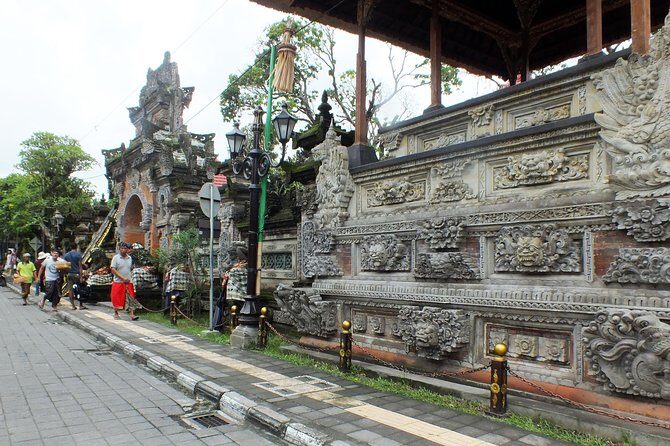
Your first stop is Ubud Traditional Art Market and the palace area, and it’s worth paying attention to how the area is organized. There are two distinct parts: the traditional market and the arts market. The traditional side is more everyday-life focused, selling daily food items and opening earlier, while the arts market leans into handicrafts, art, and textiles. That mix matters. You’re not only looking at souvenirs—you’re seeing what people buy and wear as part of normal life.
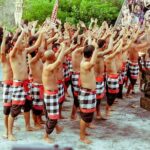
Next door is the Ubud Palace, where the royal family lives. The palace’s yard is also used in the evening for dance performances (things like Legong and Barong, plus story-based ballet-style shows). Timing on this tour may keep you in daylight for most of the experience, so don’t plan your entire trip around catching a dance. Still, even without a performance, it gives you context for what you’re seeing in the market: this is a living cultural neighborhood, not just a tourist set.
A practical tip: if shopping is your goal, arrive with a clear idea of what you want. The market has a lot of eye candy—wood carvings, textiles, and crafts—so a small checklist keeps you from impulse-buying when you’re tired later in the day.
If you're still narrowing it down, here are other tours in Seminyak we've reviewed.

Tegalalang rice terraces: the Ubud picture you’ll want
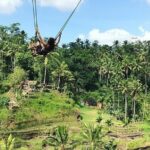
Then you’ll hit Tegalalang Rice Terrace, one of the best-known rice terrace areas in Ubud. The views here are classic for a reason: you get that layered look across the slopes, plus coconut trees and a small river valley tucked into the scene.
What makes this stop more than a scenic walk is the connection to the village’s craft economy. Tegallalang is also known for handicrafts, including wholesale and export work. Along the road, you’ll see many shops selling painted woodcarving in bright, colorful designs. A detail that helps you shop smarter: the painted woodcarving is made from very light wood, so you’ll often find it at more reasonable prices than heavier carved work. You can buy retail too, but the overall vibe is that you’re in a place with both local customers and export-style production.
In terms of value, this stop is “one ticket, two experiences.” You’re not just looking at fields; you’re also seeing how the landscape supports a local craft supply chain. That makes the photos feel more grounded.
A consideration: the terraces are famous, which means you’ll likely see plenty of other visitors. If you hate crowds, try to keep your pace relaxed—spend a few minutes enjoying the view, then move to side paths or viewpoints when you can. Also, wear shoes with grip. The paths around terraces can be uneven, and you don’t want to waste your time steadying your footing.
Pulina Bali coffee plantation and the coffee-powder making demo
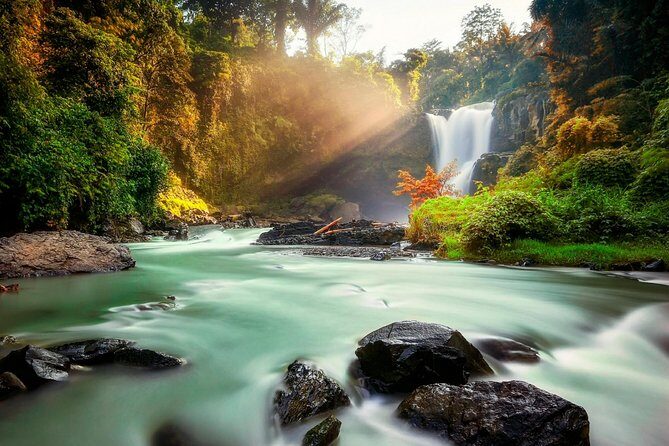
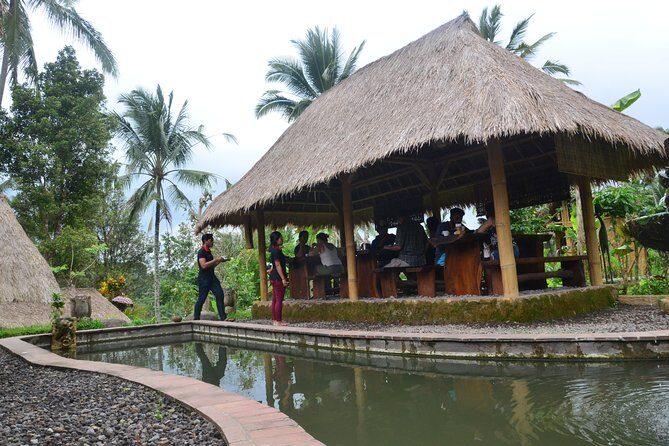
Next is Pemulan Bali Coffee Plantation (Pulina Bali Agrotourism), a shorter stop designed to break up the day. It’s about 30 minutes, which sounds quick until you remember the goal here isn’t a full tour—it’s the experience of watching the process and taking in the setting.
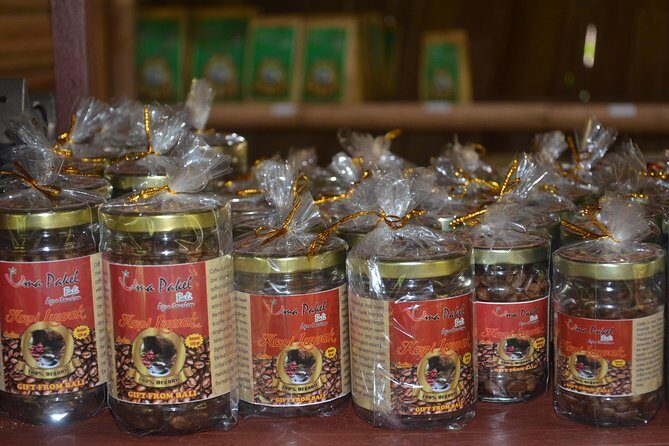
The view is the hook. You’ll get rice terrace scenery behind the farm, so even when you’re standing still for a demo, the background keeps things interesting. And the main activity is a Balinese traditional coffee powder making demonstration. That matters because it moves the experience beyond tasting. You’re seeing how coffee becomes a product tied to local routines and flavors.
At this point in the day, I think it’s smart to decide what you want from it:
- If you like food and small craft processes, this stop will feel fun and different.
- If you’re mostly scenery-focused, you’ll still get a good payoff through the views.
Also, since the stop is short, don’t expect long breaks or slow wandering. Treat it as a “watch, learn a bit, take in the scenery” moment before you head to the temple stop.
Tirta Empul: purification pools and what the legend adds
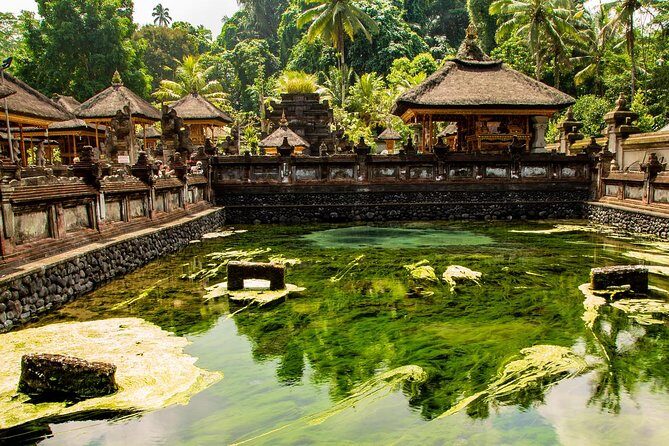
After Pulina, you’ll go to Tirta Empul Temple, also called the Holy Spring Water Temple, in the Tampaksiring region near Gunung Kawi Temple. This stop is less about grabbing a quick photo and more about understanding why people come here again and again.
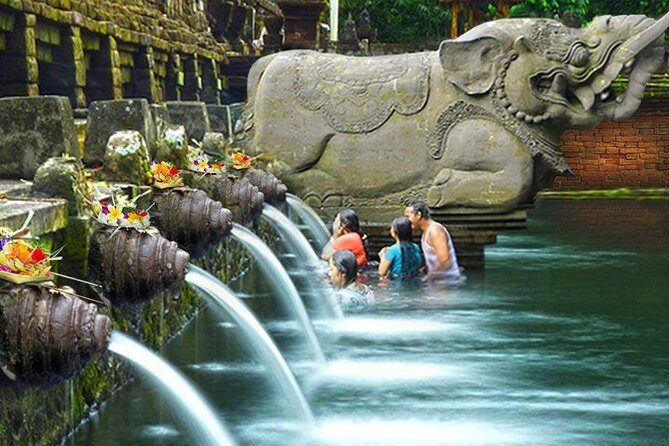
The temple is built around springs and bathing pools. Inside the courtyard, you’ll see spring water bubbling up into enclosed rectangular pools. There’s a specific detail worth noticing: the water flows through a sedimentary layer of black sand, which is part of why the spring system has its own character.
There’s also a story behind the place. Balinese legend says this spring water was created by Indra, the god, during a fight against the Mayadenawa King. Even if you don’t get every detail of the tale, the legend helps explain the mood of the site: people aren’t just touring—they’re doing something meaningful.
Tirta Empul is also known for being especially busy when it’s time for the special ritual bathing called melukat (a purification ceremony for body cleansing and spiritual renewal). You might not catch one of those peak ritual days during your visit, but the fact that it’s a living religious practice shapes the feel of the whole place.
A practical consideration: bring respect for space and privacy. The pools are where people focus on cleansing and ritual. Keep your movements calm, watch where you step, and avoid blocking sightlines while you’re taking photos.
If you’re the type who likes your visits to connect to meaning—not just landmarks—this is one of the strongest stops on the route.
Tegenungan Waterfall: natural spring baths and a swim option
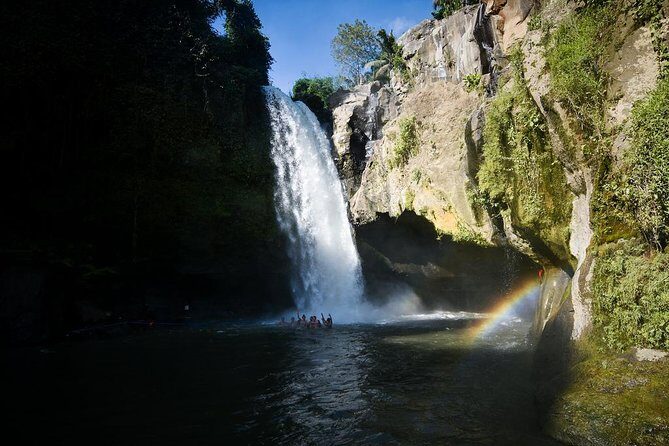
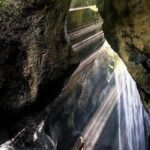
Finish up at Tegenungan Waterfall, a spot people choose not only for the drop but for the surroundings and the way it connects to daily life. The waterfall area has plenty of greenery, and near the falls there are shower baths made from natural springs. Local residents often bathe and even fetch water for daily consumption—especially in the morning and afternoon.
That’s a big difference from a lot of waterfall stops that feel staged for tourists alone. Here, you’re seeing a place where nature and real routines overlap. The tour also makes it clear that you can enjoy the water more actively: you can jump and swim if you want. If you’re curious, treat it as optional and go slowly. Waterfalls can mean slippery edges, changing water conditions, and uneven footing.
Even if you don’t swim, you’ll still get the best part: a scenic waterfall moment plus that extra “local use” context that makes it more than a photo stop.
One last practical note: if you plan to swim, keep your valuables secured and plan for wet clothes afterward. You’ll be out for most of the day, and you don’t want to feel uncomfortable during the ride back.



Price and value: what $45 buys on a private day
The price is $45.00 per person, and for that you get a lot of the annoying extras handled:
- Private car
- All entry tickets
- Parking fees
- English-speaking driver
- Mobile ticketing
That’s why this can feel good value. You’re not paying separately for every admission, and you’re not hunting down a driver who might know the best entry points and timings. The route also includes a mix of paid sites (temples, attractions) and paid entry for the major stops, which is where costs usually creep up on DIY days.
One more value angle: it’s a private tour, so it’s only your group. That usually means less waiting around for other groups to show up late. It also makes it easier to shop at your pace—especially around the market and craft shops.
One more thing I’ve picked up from how this operator runs tours: the guides are often praised for being punctual and helpful with both sightseeing and shopping. Names you might see include Gede (punctual and great at guiding you to sightseeing and shopping spots) and Komang (driver cum guide cum photographer, helpful, and good at explaining history and culture). You won’t necessarily get the exact same person, but that general style—organized, friendly, and ready to help with photos and context—is a clear strength.
Who this Ubud route suits best
This day trip fits best if you want a “great hits” Ubud day with real variety:
- If you like scenic stops, you’ll get Tegalalang rice terraces and Tegenungan Waterfall.
- If you like culture and religion, you’ll get a meaningful temple stop at Tirta Empul.
- If you like shopping but also want it to feel connected to local life, the Ubud market and the craft-focused village vibe in Tegallalang help.
It’s also a good fit for families or groups that want structure. There’s enough variety that kids and adults won’t feel bored at the exact same time. And since the private format is only your group, it tends to be easier to manage everyone’s energy.
If you’re the type who wants zero crowds and lots of long, slow wandering, this may feel like a busy day because it hits multiple major sites in 8–9 hours. But if you’d rather see more with a driver who’s got the plan, it’s a solid format.
Tips to make the day smoother (without ruining the fun)
A few practical moves can make this tour feel effortless instead of hectic:
- Plan for lunch: lunch isn’t included, so eat before you go, or carry something small for later when you’re between stops.
- Wear good shoes: rice terrace and waterfall paths can be uneven.
- Bring swim-ready gear only if you mean it: Tegenungan gives you the option, but you’ll want to be prepared.
- Keep a shopping budget: the market and craft shops are tempting, especially with light-wood painted carvings and colorful designs.
- Respect ritual space at Tirta Empul: treat the pools like a working religious area, not a viewpoint.
And if you care about photos: this type of route often works well with a guide who can help you find good angles and timings, which is something people specifically appreciate about guides like Komang in similar trips.
Should you book this Ubud Village Sightseeing day trip?
Book it if you want a private, organized day that covers Ubud’s most in-demand experiences: a real market neighborhood, a famous rice terrace with craft-world connections, a coffee plantation demo, a purification temple, and a waterfall with spring water vibes. The value is strong because entry tickets, parking, and transport are wrapped into the price.
Skip it or reconsider if you hate long days and you want more downtime. Without lunch included and with several active stops, you’ll feel better if you’re okay with a full schedule and you pack for comfort.
If your goal is to spend a single day in Ubud that feels balanced—scenery, culture, and shopping—this is a smart way to do it. It’s the kind of itinerary that helps you come home with photos you’ll remember and context you can actually explain to friends.
FAQ
What time does the tour start?
The meeting/start time is 8:00am.
How long is the tour?
The duration is about 8 to 9 hours.
What’s included in the price?
The tour includes a private car, English-speaking driver, all entry tickets, and parking fees, with mobile ticketing.
Is lunch included?
No, lunch is not included.
Can I swim at Tegenungan Waterfall?
You can jump and swim if you really want to at Tegenungan Waterfall.
Is this a private tour?
Yes. It’s private, meaning only your group participates.
If you want, tell me where you’re staying in Seminyak (exact hotel or area), and whether your group includes kids. I can suggest the most comfortable way to handle the day’s pacing.