REVIEW · SEMINYAK
Well-Guided Local Textile Tour of Denpasar
Book on Viator →Operated by Ayu and Ngurah · Bookable on Viator
A smart shopping plan starts with textiles. This 2-hour walk through central Denpasar shows how important cloth is to Balinese and Indonesian life, not just as decoration but as craft and identity. I like the focus on real local shops and the way the guide helps you make sense of what you’re seeing, from Javanese hand-painted batik to ikat and endek weaving. The vibe is practical, and you can find fabrics you may not spot in tourist-only boutiques.
The only drawback is timing and attention: because it’s a short 2-hour route on foot, you’ll need to decide what you care about most (batik vs. weaving vs. everyday fabric) so you don’t feel rushed. With a small group (max 10), the guide can still tweak stops to your interests, but the clock stays the clock.
In This Review
- Key Highlights You’ll Want to Know Before You Go
- Why Denpasar’s Textile Stops Beat Tourist Fabric Malls
- First Stop: Jalan Gajah Mada and Pak Rayyis’ Collection
- Kumbasari Market: Batik, Ikat, and Weaving in Real Shopfronts
- Jalan Sulawesi: Affordable Everyday Batik and Modern Fabric Choices
- The Textile Types You’ll Encounter (and What They Mean for Shopping)
- 2 Hours on Foot: How the Pace Works and Why It Matters
- Price and Value: What $25 Really Buys You
- Who This Textile Tour Is Best For
- Practical Tips to Make Your Shopping Smarter
- Should You Book This Denpasar Textile Walk?
- FAQ
- How long is the Denpasar textile tour?
- What does the tour cost?
- Where do I meet for the tour?
- What places will the tour include?
- Do I need good weather?
- Is there a group size limit and is it suitable for most travelers?
Key Highlights You’ll Want to Know Before You Go
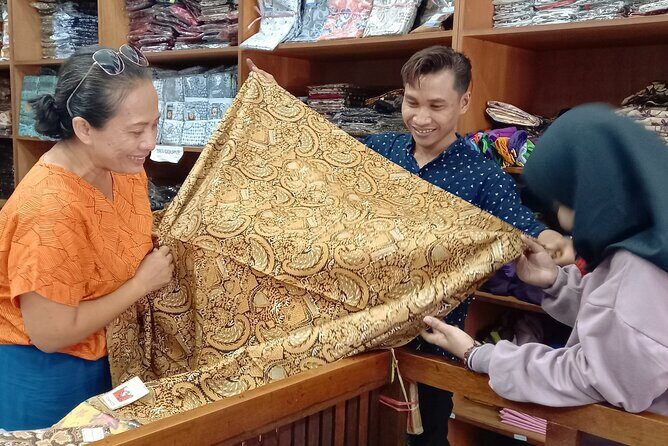
- Small group experience (up to 10 travelers) keeps questions from getting lost in the crowd
- Ayu’s guidance in excellent English makes textile terms easier to follow
- Pak Rayyis on Jalan Gajah Mada gives you a first look at collected textiles and techniques
- Kumbasari Market visit with specialized shops for batik, ikat, and weaving
- Jalan Sulawesi fabric haven for both affordable everyday batik prints and modern materials
- Shopping tips for local prices so you can compare without feeling pressured
Why Denpasar’s Textile Stops Beat Tourist Fabric Malls
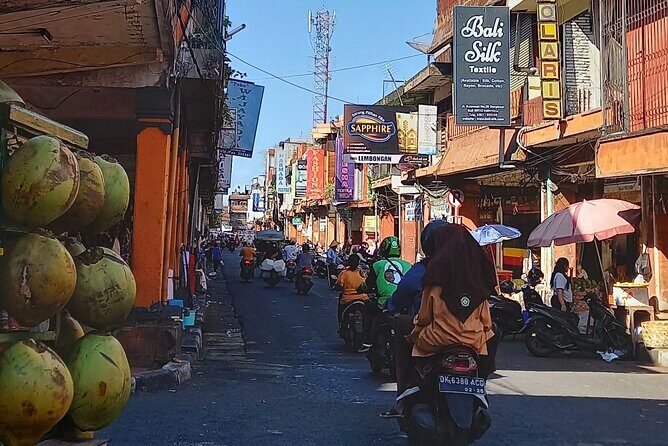
If you want to understand Indonesia, textiles are a fast track. Cloth isn’t just something people buy here and forget. It’s woven into ceremonies, everyday wear, and personal style. In this tour, you’ll see that idea in action because you’re walking through working neighborhoods where local suppliers shop, not just tourist storefronts that chase the same styles over and over.
What I like most is that you don’t get stuck in one shop. You’ll move from selected local places to a market, then to Jalan Sulawesi, a well-known area where fabric lovers can spend real time comparing choices. You’re not just looking at pretty pieces. You’re learning how the craft shows up in different forms—hand-painted batik, modern batik, ikat, and endek weaving—so you can spot differences fast.
And there’s another quiet value: you get a chance at reasonable local pricing guided by someone who knows what you’re looking for. That can matter a lot when you’re comparing similar-looking fabrics from one stall to the next.
If you're still narrowing it down, here are other tours in Seminyak we've reviewed.
First Stop: Jalan Gajah Mada and Pak Rayyis’ Collection
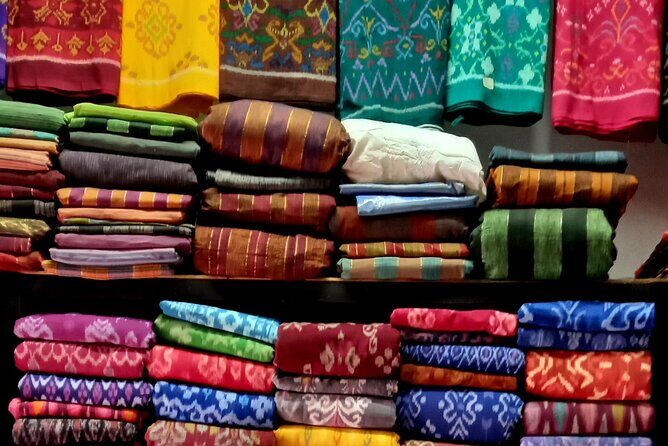
You start at Jalan Gajah Mada No. 1 and meet Pak Rayyis. This is a smart opener because it sets the tone before you hit the market maze. Instead of jumping straight into shopping, you get context about textile collections and what to look for.
From there, the tour frames the types of cloth you’ll see later. Expect to hear about traditional Indonesian textile traditions and how they show up in different styles, including Javanese traditional hand painted batik and endek weaving. Even if you’re not buying much, this first stop helps you develop a filter. You’ll start noticing pattern structure, fabric behavior, and the feel of materials instead of treating everything as “just fabric.”
Practical tip for this part: arrive ready with a clear goal. If you want a scarf, a dress fabric, or something for interiors, say so early. The guide can adjust where you spend time, and you’ll get more value from the short walking route.
Kumbasari Market: Batik, Ikat, and Weaving in Real Shopfronts
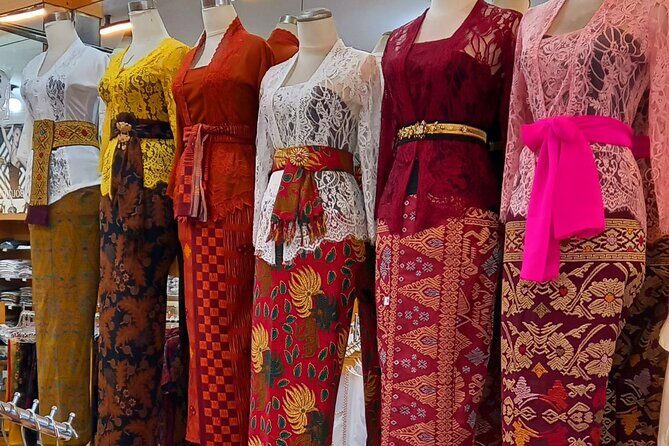
Next comes Kumbasari Market, where you visit two shops specializing in traditional batik, ikat, and weaving. This stop is where the tour turns into a useful “see-and-compare” experience.
Here’s what makes Kumbasari valuable: you’re shopping in a place designed for variety, with fabrics that serve different uses. You’ll be able to compare how batik designs differ, how ikat patterns look on cloth, and how weaving shows up in the texture and structure. The guide’s job is not to overwhelm you with theory. It’s to help you notice what matters so you don’t waste time staring at the wrong details.
One potential drawback of market shopping is decision fatigue. You’ll likely feel tempted by color first, then quality second. A good approach is to treat this stop like research. Pick one or two items you genuinely like and ask enough questions to understand the differences. Then, move on with confidence rather than buying just because something feels exciting in the moment.
Jalan Sulawesi: Affordable Everyday Batik and Modern Fabric Choices
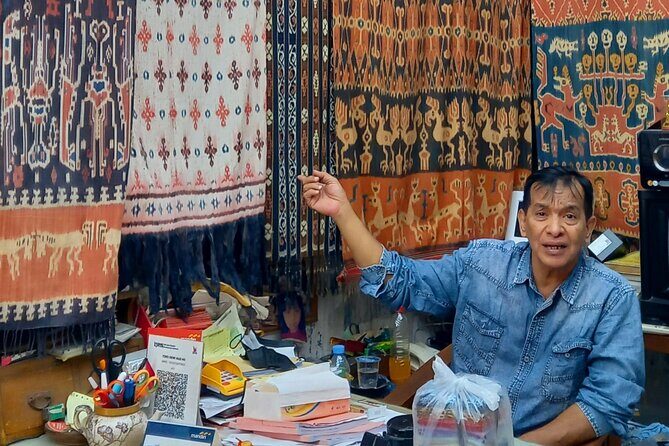
After Kumbasari, you shift to Jalan Sulawesi, known as a fabric haven. This is the part of the tour that feels like a “wow” because the range is wide: you’ll find affordable, everyday-use batik prints plus modern fabrics that suit more practical sewing and decorating needs.
This is where you’ll see materials such as linen, brocade, cotton, lace, quilting materials, dressmaking fabrics, interior fabrics, silk, and rayon, among other fabric types. That list matters because it’s not limited to one niche. If you’re thinking about a dress, curtains, a blouse, or small craft projects, you can keep comparing without feeling like you’re in the wrong place.
Also, Jalan Sulawesi is ideal for people who want flexibility. If your original plan was batik only, you might end up learning why linen or rayon might work better for a particular cut or purpose. The guide’s role is to point you toward sensible options and share smart shopping tips for getting fair local pricing.
The Textile Types You’ll Encounter (and What They Mean for Shopping)
This tour highlights several textile traditions that show up again and again across Indonesia and Bali. If you’re not sure what you’re looking at, don’t worry. The guide helps you connect the terms to real fabrics you can touch and compare.
- Hand-painted batik (traditional Javanese style): often the most “story” version of batik. You’ll typically notice the design placement and how the pattern feels integrated into the cloth. It’s a great option if you want something special rather than purely everyday.
- Modern batik: uses the same language of batik patterns, but with newer styling. If you want something current that still respects the technique, this is where you may find it.
- Ikat: known for its pattern formation before it becomes the final cloth, which often creates distinctive looks. It’s a strong choice if you want bold design impact.
- Endek weaving: weaving-focused textile craftsmanship. If you care about texture and structure, weaving is a different experience than printed fabric.
Even with all these options, the goal isn’t to memorize everything. The goal is to leave with enough understanding that you can shop deliberately. That’s why this tour feels more useful than just browsing.




2 Hours on Foot: How the Pace Works and Why It Matters
This is a compact tour: about 2 hours, starting at 2:00 pm. It’s a walking format through central Denpasar, so comfortable shoes are the quiet hero here. You’ll also want to keep your attention flexible. The guide can modify stops depending on what you’re interested in, but the route still follows the tour’s core fabric trail.
Group size helps. With a maximum of 10 travelers, you’re not stuck waiting your turn while the guide handles one person’s questions. This matters in textile shopping because small details make a difference: you might want to compare two fabrics that look similar, or confirm what you’re looking at before you buy.
Also, the tour is designed for mobile ticket use, and it’s near public transportation. That makes it easier to fit into a half-day plan without stress.
Price and Value: What $25 Really Buys You
At $25 per person, this tour is priced like a “smart add-on,” not a fancy add-on with mystery value. The real question is: what do you get for that money?
You get:
- A guided route through multiple fabric-focused locations
- A chance to learn textile differences in context, not in isolation
- Access to local shops that can be harder to find on your own
- Practical shopping guidance, including advice aimed at reasonable local prices
- Strong communication support from the guides, including Ayu’s excellent English and her willingness to tailor the experience to your preferences
If you’re already planning to buy cloth or clothing materials, guidance can pay off quickly. Even small savings per item add up, and the bigger win is avoiding the common mistake of buying something that doesn’t match your intended use.
If you’re not a shopper, you can still enjoy it as an educational walk. But if shopping is in your plan, this tour is one of the more cost-effective ways to get local context without wasting hours wandering.
Who This Textile Tour Is Best For
This tour fits best if you fall into any of these groups:
You’re a fabric lover and you want to see different textile types in one focused route. You’ll like that it covers hand-painted batik, modern batik, ikat, and endek weaving rather than only one style.
You’re a first-time visitor to Bali who wants something real and practical. Instead of only chasing temples or beaches, you’re getting a look at how people buy and use textiles locally.
You want help choosing. The best part is not just looking, it’s understanding enough to decide what you actually want to buy.
It can also work for people who love shopping but hate feeling lost. The guide helps you navigate the places along the way and gives smart tips so you can shop without guesswork.
Practical Tips to Make Your Shopping Smarter
Because this is a short walking tour, your decisions matter. Here are a few ways to use the time well:
- Decide your top goal before you start. Examples: scarf, fabric for a dress, interior fabric, quilting material, or just collecting samples.
- Pay attention to differences the guide points out. If you learn how to separate batik style choices from weaving or ikat looks, your shopping time becomes faster.
- Ask questions while you can still compare across shops. Kumbasari and Jalan Sulawesi give you natural “before and after” comparisons.
- If you have preferences, tell the guide early. Ayu is happy to adjust stops to your interests, which is a big deal when the tour lasts only 2 hours.
One last thought: textiles can be emotional. Color grabs you. Try to balance first impressions with practical use. If you’re buying for a specific project, your favorite color isn’t always your best choice for the material.
Should You Book This Denpasar Textile Walk?
I’d book it if you want a focused, local textile experience that makes shopping easier and more informed. The combination of a small group size, a guide who communicates clearly in excellent English, and a route that covers multiple textile types is a strong value. You’ll come away knowing what you liked and why, not just what looked pretty.
I’d skip it only if you’re not interested in textiles at all, or if you prefer to spend a full day shopping without any time pressure. This tour is efficient. It’s not a slow gallery stroll.
If you’re curious about batik, ikat, endek weaving, or modern fabrics for sewing and interiors, this 2-hour plan is a smart use of your afternoon in Denpasar.
FAQ
How long is the Denpasar textile tour?
It’s about 2 hours.
What does the tour cost?
The price is $25.00 per person.
Where do I meet for the tour?
You meet at Jl. Gajah Mada No.1, Dauh Puri Kangin, Kec. Denpasar Utara, Kota Denpasar, Bali 80232, Indonesia.
What places will the tour include?
The tour includes Kumbasari Market, Jalan Sulawesi, and stops in central Denpasar starting from Jalan Gajah Mada.
Do I need good weather?
Yes. The experience requires good weather. If it’s canceled due to poor weather, you’ll be offered a different date or a full refund.
Is there a group size limit and is it suitable for most travelers?
Yes. The tour has a maximum of 10 travelers, and most travelers can participate.