Canyon trekking in Bali beats the usual circuit. This day pairs an active swim-and-trek through the Beji Guwang Hidden Canyon with classic stops like Tegenungan, Goa Gajah, and Gunung Kawi. You’ll be moving through a shallow river, clambering on rocks, and stopping for photo-friendly sights along the way.
I especially like the hotel pickup/drop-off from your Bali base and the fact it stays small (up to five travelers). The flow of the day is guided, and names like Km Sedana Artur, Capung, and Yogi pop up because they keep things both safe and fun while you’re actually out there getting wet and walking.
One consideration: this is not a sit-behind-the-scenes tour. You’ll need moderate physical fitness, and you should expect water time, uneven footing, and some climbing over rocks.
In This Review
- Key highlights you’ll feel right away
- Entering Beji Guwang Hidden Canyon: where the day becomes physical
- Your 8:15 AM start, hotel pickup, and a small-group pace that actually works
- Beji Guwang Hidden Canyon trek: how to enjoy the swim and rock steps
- Tegenungan Waterfall stop: the photo ops you can actually enjoy
- Goa Gajah Ubud Temple: when the day turns from water to stone
- Candi Tebing Gunung Kawi: temple ruins beside the river
- Price and what your $50 really buys (plus the $25 entrance fee)
- What to pack: make the wet canyon part painless
- Who this Bali hidden canyon trek is best for
- Should you book Bali Hidden Canyon Trekking – Beji Guwang?
- FAQ
- What time does the tour start?
- How long is the Bali Hidden Canyon Trekking day?
- Is hotel pickup and drop-off included?
- Are meals or lunch included?
- What about entrance fees?
- Can I cancel for free?
Key highlights you’ll feel right away
- Beji Guwang Hidden Canyon: a shallow river trek with towering canyon cliffs
- Hands-on adventure: swim, splash, and clamber for great photos along the route
- Small group (max 5): more attention from your guide and less waiting around
- Classic Bali stops: Tegenungan waterfall plus Goa Gajah and Gunung Kawi temples
- Comfort basics included: bottled water and hassle-free hotel pickup/drop-off
Entering Beji Guwang Hidden Canyon: where the day becomes physical
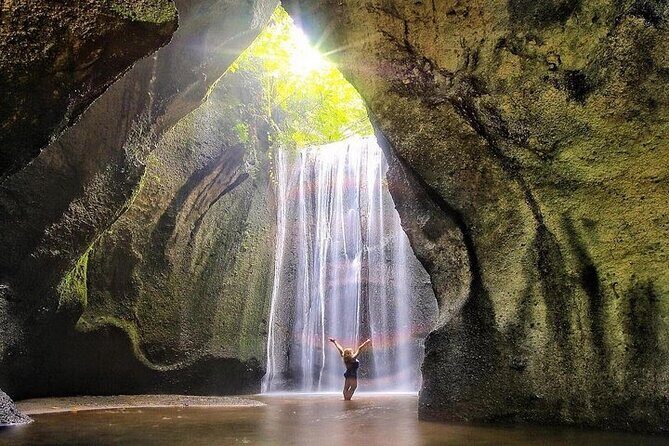
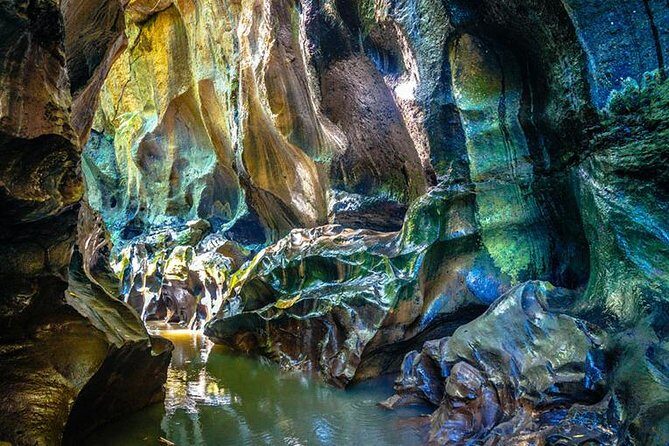
The star of this outing is the Beji Guwang Hidden Canyon, a canyon cut through by a shallow river and framed by tall, steep cliff walls. The whole point is to get into the action: you don’t just look at it from a viewpoint. You trek into the canyon, splash through the water, and then clamber up onto rocks when the route opens up.
That mix matters. Water turns the canyon from a dry walk into something more memorable, and it also changes your timing and footing. You’ll want to move with care, because stepping from wet rock to sand-like sections can feel different than a normal trail.
If you’re a photo person, you’ll likely love the contrast here. The canyon walls give scale, the water adds reflection, and the “pause points” along the trek make it easier to frame shots without feeling like you’re constantly sprinting ahead. Just remember: the best photo angle is usually a slower pace and a moment of patience, not rushing.
Also keep in mind: admission fees for the day are not included in the base price. You’ll handle an entrance fee listed at about $25 per person, so factor that into your total budget before you go.
If you're still narrowing it down, here are other tours in Kuta we've reviewed.

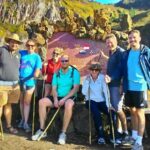
Your 8:15 AM start, hotel pickup, and a small-group pace that actually works
Start time is 8:15 am, and the tour runs about 10 hours. Pickup and drop-off are included from your Bali hotel, which is a huge quality-of-life win in a traffic-heavy place like Bali. You also get a mobile ticket, which helps you stay organized for the day’s flow.
The small-group format is where this tour becomes more comfortable. With a maximum of five travelers, you’re less likely to feel like you’re trapped in a loud line or stuck waiting while the group tries to figure out what to do next. It also means your guide can adjust the pace to how you’re moving through the canyon and around the temples.
In real life, that kind of pacing matters because your day has two very different moods. First you’re active in wet terrain. Later you’re walking temple paths and absorbing stone details. A guide who keeps the transitions smooth helps you enjoy both without feeling exhausted or rushed.
Beji Guwang Hidden Canyon trek: how to enjoy the swim and rock steps
Expect an active rhythm. You’re trekking into the canyon, then you’ll be in the river long enough that you feel the water on your legs and shoes. At some points you’ll be clambering up onto rocks, which is part of why people remember this stop as the highlight.
Practical tip: bring water shoes (often called aqua shoes). Wet rock can be slippery, and a regular sneaker doesn’t always grip well. The canyon experience is better when your feet feel stable, not when you’re constantly adjusting your balance.
As for guides, you may see names like Capung and others linked to the experience of safe, fun canyon trekking. What that means for you: you’re not just handed a route. You’re supported while you’re moving through uneven terrain, and you’ll have someone watching the path and helping with the timing.
One more thing: plan on getting wet. Even if the river looks shallow, the canyon walls and splash zones can soak your clothes and gear. If you hate carrying extra weight, travel light and focus on what you can safely keep during the trek.
Tegenungan Waterfall stop: the photo ops you can actually enjoy
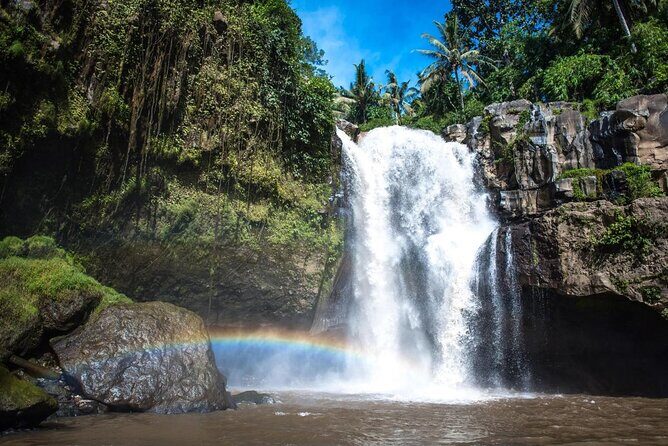
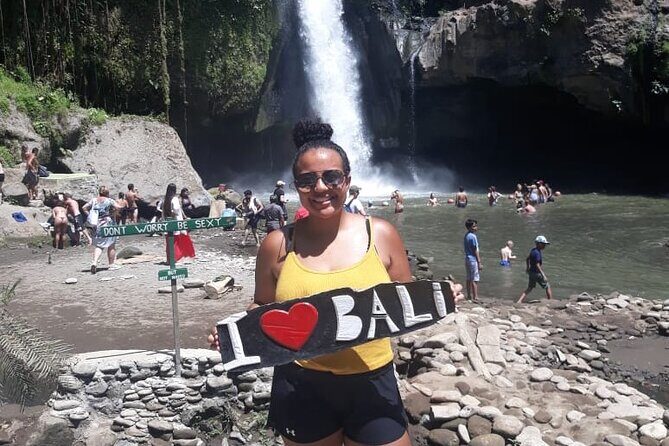
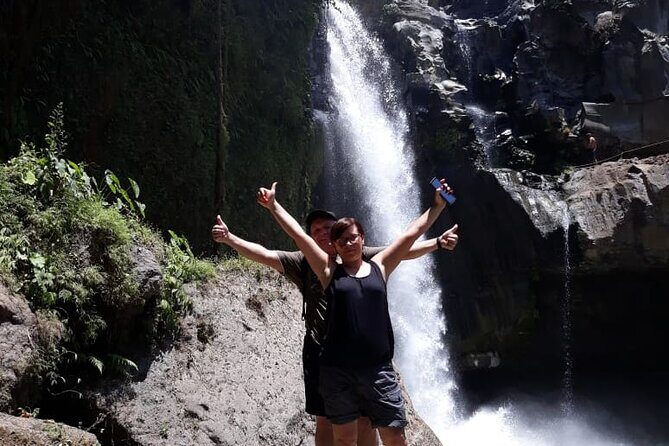
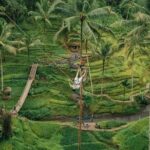
Next up is Tegenungan Waterfall, a stop that’s about 45 minutes at the waterfall area. The drive into this part of Bali is roughly 30 minutes from central Ubud, so you’re not looking at a half-day of transit just to get to one view.
Tegenungan is popular, and that has upsides and downsides. Upside: the waterfall is widely known for a reason, and the area is easy to photograph. Downside: you should expect that some spots will feel busy, and you may need to be flexible about where you stand for your shots.
What I like about including this stop after the canyon is that it resets the day. In the canyon you’re moving through water and rock. At the waterfall you can slow down, watch the flow, and shift from “adventure mode” to “scenic mode” for a bit.
Also, the waterfall’s admission fee is not included in the base price. Build that into your budget so you aren’t surprised later.
Goa Gajah Ubud Temple: when the day turns from water to stone
After Tegenungan, the schedule includes Goa Gajah, also known as Goa Gajah Ubud Temple. You’ll have about 45 minutes here, and the site is recognized as one of the oldest temple complexes on the island.
The real value of Goa Gajah is its design and age. It’s one of those places where details reward attention: you’ll see stonework and architectural choices that feel older than the modern tourist rhythm around them. If you’re the type who likes to pause and read just enough to understand what you’re looking at, this stop fits.
A drawback for some people: it can feel like a “brief stop” because you only have around 45 minutes. If your goal is deep museum-style reading, you’ll need to accept that this is a guided taste rather than a long stay. Still, it’s a good balance between nature and cultural sights without dragging the day into the evening.



Candi Tebing Gunung Kawi: temple ruins beside the river
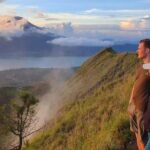
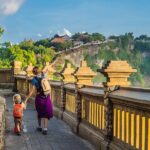
The final temple stop is Candi Tebing Gunung Kawi (Gunung Kawi Temple), scheduled for about 1 hour. It’s an archaeological site protected in Bali and located near the Pakerisan River area.
Gunung Kawi has that classic temple-and-cliff feel. The experience is less about a single frontal view and more about moving through the site and noticing how the carvings relate to the setting. This is a good match for the energy of the earlier canyon trek because it keeps your feet active, but now the terrain is more about walking temple paths than scrambling through water.
As with the other cultural stops, admission is not included, so again: keep that extra fee in mind.
Price and what your $50 really buys (plus the $25 entrance fee)
The base price is $50 for a day that’s around 10 hours with pickup/drop-off, bottled water, and fuel surcharge included. That’s strong value if you want convenience and local guidance without planning every connection yourself.
But here’s the budgeting reality: entrance fees are not included, and the listed entrance fee is about $25 per person. That means your total cost is closer to $75 per person once you add that fee.
Is it still worth it? For most people who actually want the day to feel organized and meaningful, yes. You’re getting:
- A real active trek at Beji Guwang Hidden Canyon
- A waterfall stop with time to photograph
- Two cultural temple stops you can’t easily combine as cleanly on your own without coordinating transport
- A small group size that keeps the day from feeling crowded and rushed
If you’re the type who hates paying extra fees on-site, then this tour may feel a bit more expensive than it looks at first glance. If you’re okay with one added admission fee and you value the included transportation and guidance, the pricing starts to make sense fast.
What to pack: make the wet canyon part painless
Even if you’re excited, you’ll be happier if you plan for getting wet and walking on uneven surfaces. My go-to list for a day like this:
- Water shoes / aqua shoes for grip and comfort
- A change of dry clothes if you can manage the bag space
- A small dry bag for phone and wallet
- Sun protection (water days still mean sun)
- A towel if you have room (even a small one helps on the drive back)
From a safety and comfort angle, water shoes are the one item that can transform your canyon trek from stressful to fun. You’ll spend more time looking at cliffs and water instead of focusing on footing.
Also, don’t count on a lunch included. Food and drinks are not included, and lunch is listed as not included too. You can still enjoy the day, but you should plan to purchase snacks or a meal during the day based on what’s available.
Who this Bali hidden canyon trek is best for
This is best for you if you want a day that mixes active nature with real cultural stops. It works well for couples, small friend groups, and solo travelers who appreciate a tight group and a guide-led pace.
It’s also a good fit if you like photography, because the day is built around spots with strong visual payoff: canyon cliffs with water, Tegenungan’s waterfall views, and stone temple settings at Goa Gajah and Gunung Kawi.
If you have mobility limits or you’re not comfortable with moderate walking and climbing, consider skipping or choosing a less active option. The tour is specifically described for travelers with a moderate physical fitness level.
Should you book Bali Hidden Canyon Trekking – Beji Guwang?
Book it if you want a full day that doesn’t waste your time in transit: you get pickup/drop-off, a small group, and the best part is that the canyon isn’t just scenery. You’re actually in the experience—swimming through a shallow river and clambering on rocks with a guide watching the route.
Skip it if you want a relaxing, mostly seated sightseeing day. This is active, wet, and built for movement. Also, if you hate adding an extra $25 entrance fee per person, do the math before you commit.
If you’re on the fence, tell yourself this: you’re paying for organization plus an adventure moment that many Bali trips skip or shortcut. If that canyon trek is what you came for, this is one of the more practical ways to fit it alongside temples and a waterfall in a single day.
FAQ
What time does the tour start?
The start time is 8:15 am.
How long is the Bali Hidden Canyon Trekking day?
It runs about 10 hours (approx.).
Is hotel pickup and drop-off included?
Yes. Hotel pickup and drop-off are included.
Are meals or lunch included?
No. Food and drinks, including lunch, are not included.
What about entrance fees?
Entrance fees are not included. The listed entrance fee is about $25 per person.
Can I cancel for free?
Yes, you can cancel for a full refund if you cancel at least 24 hours in advance of the experience start time.