REVIEW · KUTA
Mount Batur Sunrise Trekking Private Tour with Breakfast and Hotel Transfer
Book on Viator →Operated by Bagus Bali Sunrise Trekking Tours · Bookable on Viator
That pre-dawn start is part of the magic.
This private Mount Batur sunrise trekking tour is built for flexibility: you’re guided up at night, then you decide how you want the descent to go. What I like most is the way it’s set up for comfort and control—your guide guides, you pace—so you’re not stuck moving at someone else’s speed.
I also love the food plan. You’ll get a proper summit breakfast with cakes, sandwiches, eggs, fruit, and hot drinks right around the crater area, which turns the early wake-up into more than just a sunrise photo.
One consideration: it’s a serious early morning. Pickup happens around 1:30–3:00am, and you should expect cold and darkness on the hike, plus you’re dependent on good weather for the best sunrise.
In This Review
- Key things that make this sunrise trek work
- Pre-dawn hotel pickup in Bali: where the day really starts
- The night trek up Mt. Batur: pace, poles, and headlamps
- Reaching the summit before sunrise: what you’re really buying
- Breakfast at the crater: more than a meal stop
- Descending Mt. Batur: choosing your route down the crater
- Transfers back to your hotel: finishing without the stress
- What to bring (and why it matters at Batur)
- Guides make the difference: motivation, safety, and local storytelling
- Value for $49.78: what you’re really paying for
- Who should book this private Mount Batur sunrise tour?
- Should you book Mount Batur sunrise trekking with breakfast and transfers?
- FAQ
- How long is the Mt. Batur sunrise trekking private tour?
- What time does pickup happen?
- Is the tour really private?
- What’s included with the trekking?
- What breakfast is included?
- Do I get hotel transfer in Bali?
- What should I bring?
- What if the weather is bad?
- Is there a cancellation deadline for a full refund?
Key things that make this sunrise trek work
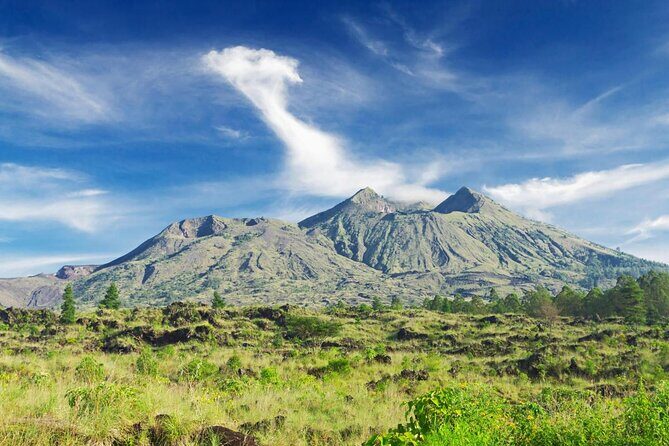
- Private pacing with a real guide so you can slow down, take breaks, and keep moving safely
- Headlamp + trekking poles included, which matters when you’re climbing in the dark
- Breakfast at the crater area with hot drinks, not just a snack and a coffee run
- Hotel pickup and drop-off from south Bali and Ubud (including villas), in an AC car
- Flexible descent options, with walking around the crater recommended
- Guides named Tana, Donn, Jata, Oman, and Komang ras are repeatedly praised for motivation and safety
Pre-dawn hotel pickup in Bali: where the day really starts
This tour starts before your brain is fully awake—which is also why it’s worth doing. Pickup is scheduled between 1:30am and 3:00am, and you’ll be collected in a private AC car from your south Bali or Ubud address. If you’re staying in a villa, this is one of those tours that actually handles that kind of pickup without a fuss.
In practice, this early transfer is what makes the sunrise plan realistic. You need enough time to reach the base area, climb in darkness, and still arrive before the sun crests the sky. The timing is tight but not chaotic, and it’s one of the reasons this kind of sunrise trek sells out for popular weeks.
Another plus: you’ll be transferred directly to your guide at the start point. That avoids the awkward, half-lost scramble of figuring out who you’re hiking with while everyone else is already moving.
If you're still narrowing it down, here are other tours in Kuta we've reviewed.


The night trek up Mt. Batur: pace, poles, and headlamps
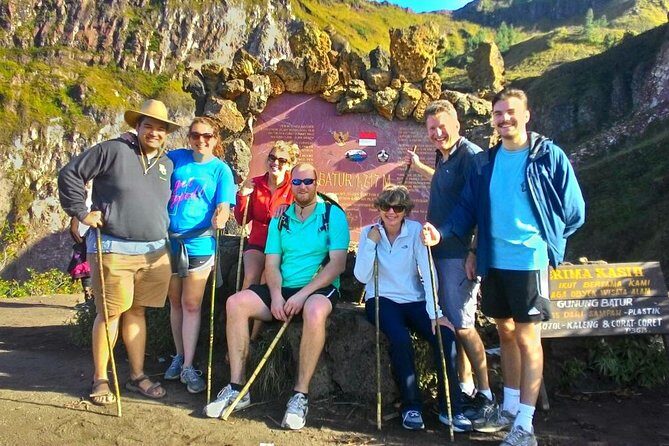
The climb begins after you arrive at the base area around 3:30am, and it’s done in the dark. That sounds intense, but the setup helps. You get a headlamp and trekking poles, so you’re not relying on phone light or weak grip shoes. The poles are especially useful on uneven volcanic paths—helpful for balance when your feet can’t see far ahead.
The tour is private, meaning it’s only your group. That matters because the best guides don’t just push; they match effort to ability. In guides like Tana and Jata, the standout theme is pace management—motivation when you feel stuck, and a calm approach that keeps you safe when you’re tired.
You’ll also want to dress like you’re hiking in early morning air, not like you’re going for a daytime walk. The tour suggests bringing a jacket, sport shoes, mask and hand sanitizer, and sun cream. Even if the sun isn’t out yet, you can still burn once you’re higher up, and volcanic terrain tends to get dusty.
And yes, you’ll be walking through darkness for a while, which is why a moderate fitness level helps. If you can handle a steady uphill for an extended period, you’re in the right zone.
Reaching the summit before sunrise: what you’re really buying
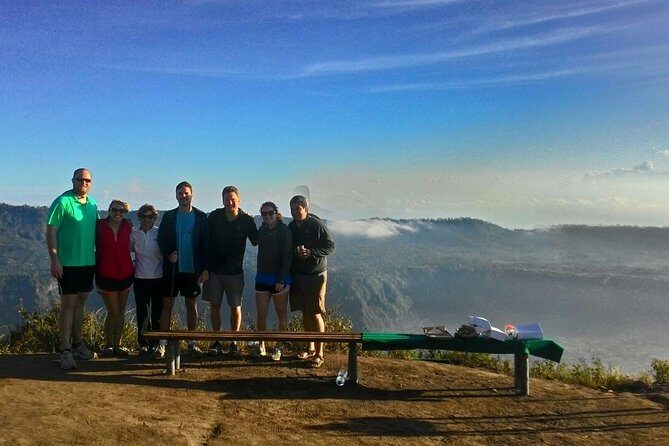
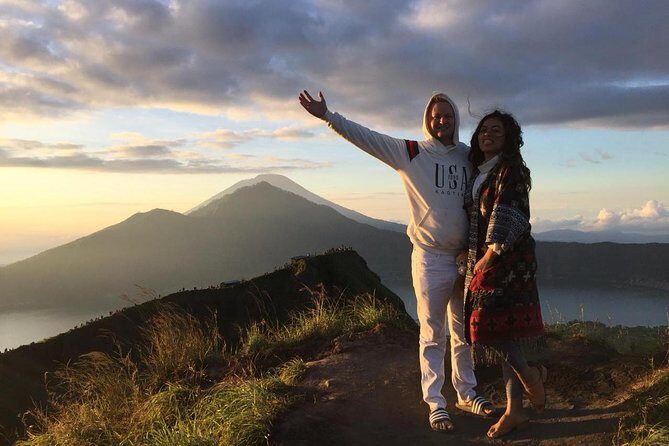
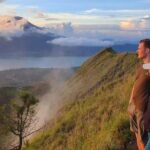
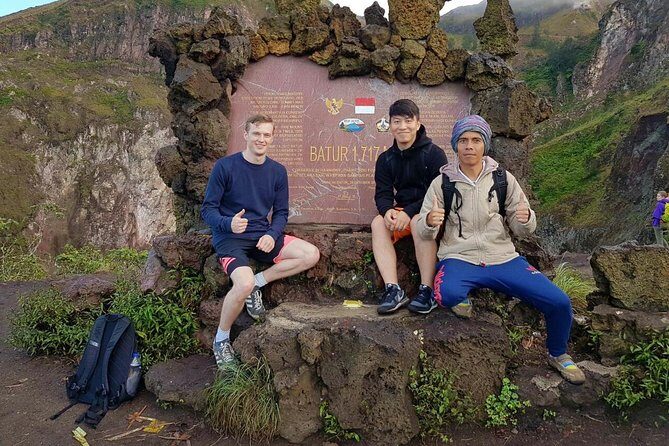
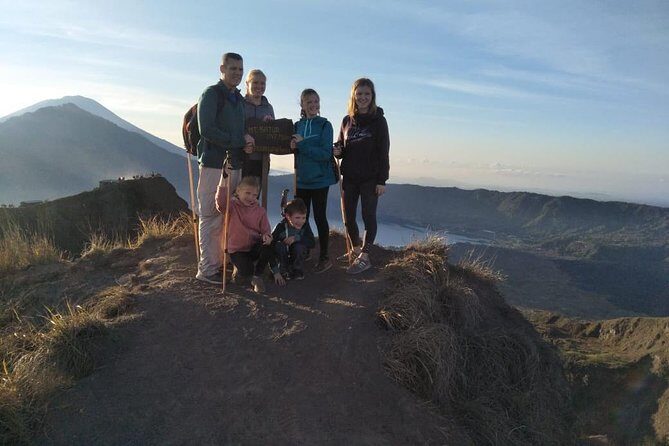
You’re aiming to reach the peak around 5:30–6:00am. Getting up there isn’t just about being first at the best viewpoint; it’s about having time to settle, position yourself, and handle the cold before the show begins.
This is where guides can make or break the experience. Many of the most praised guide names—Donn, Don, Oman, Komang ras, and Tana—come up with the same idea: they help you manage the moment. That includes choosing a good spot, keeping you moving steadily, and making sure you’re not panicking when your legs feel it.
Some summit details show up in the way people describe the day:
- You’re often given a moment to sit and enjoy the view.
- Hot drinks are part of the post-climb routine, which helps your body bounce back fast.
On clear days the sunrise is the main event. On cloudy days, you’ll still get the rhythm of the trek and the crater morning vibe. One traveler-style takeaway I kept seeing: even when the sky plays tricks, the overall experience is still judged as worth it because of the guide and the breakfast.
Breakfast at the crater: more than a meal stop
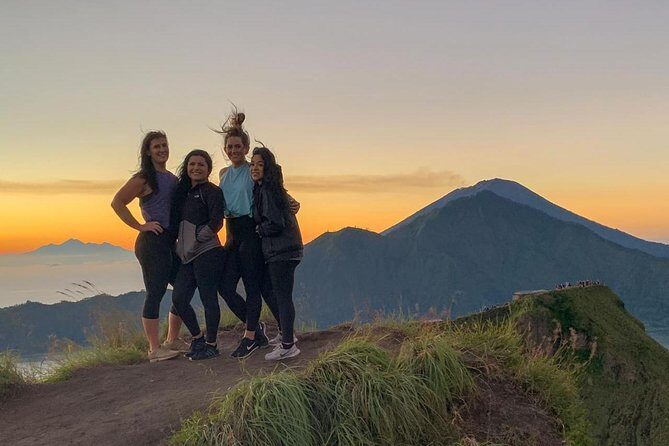
Breakfast lands after you arrive and settle—around 6:30am at the summit/crater area. This is a huge part of why the trek feels complete. You’re not waiting until you get back to a restaurant. You’re eating where the climb brought you.
The included spread is detailed: sandwiches, cakes, eggs, fruit, and hot drinks. That combination matters because it covers both sweet and savory energy, plus something warm to drink after a cold climb. It’s also the kind of food that helps you keep your strength for the descent.
A small but meaningful comfort detail: some guides make sure you have a place to sit. In one description, mats were prepared for summit rest. Whether you get mats or just a place to stand, the practical point is the same: you’ll want to take a few minutes before descending so your body cools down and your legs reset.
Also, you’re not just receiving food—you’re receiving logistics. Guides are described as handling everything from breaks to organizing you through the summit moment, and you’ll even want to use the restroom opportunity if it’s offered. It’s easier to plan the descent when you’re not thinking about what you forgot.
Descending Mt. Batur: choosing your route down the crater
After breakfast, the descent starts around 7:00am. You’ll walk down toward the finish point, arriving about 8:30am before heading back to your hotel.
Here’s a key difference between a private trek and a rigid group hike: you can set the pace, and you can often choose how you want to handle the way down. The tour notes that walking around the crater area is recommended. That’s a meaningful experience choice because it turns the descent into more than just getting down quickly.
In real terms, that crater walk gives you variety—different angles, different terrain texture, and more time near the volcano’s dramatic features. It also gives you a better sense of place: you see what you came up for, from the ground-level around the crater, not just from above.
If you’re a careful hiker, this flexibility is gold. If you’re the type who wants a quicker finish, you can likely keep things moving. Guides like Oman and Jata are repeatedly praised for handling ankle issues and adjusting the pace, which tells me the best version of this tour is the one where you communicate early.

Transfers back to your hotel: finishing without the stress
After you reach the finish point around 8:30am, you’ll return to your hotel. Because pickup is private and the car is waiting at the end, you’re not stuck negotiating rides or timing buses with sore legs.
This matters on an 8-hour tour. You’ll still have your day, even though it starts before sunrise. Many people use the rest of the morning to nap, shower, and then plan a lighter activity later—because your legs will remind you this was real hiking.
If you’re combining it with other Bali plans, put something flexible on the calendar for late morning or early afternoon. You’ll want time to recover from the climb, even if you paced yourself.
What to bring (and why it matters at Batur)
This tour lists a clear packing set. It’s not random. Each item connects to a practical problem you’ll face at night or early morning.
Bring:
- Sport shoes: traction matters on volcanic rock and uneven ground.
- Jacket: the summit morning can feel cold even if you’re used to warm weather at sea level.
- Mask and hand sanitizer: helpful for dusty conditions and shared moments at checkpoints.
- Sun cream: once the sun rises, you’ll be higher up and closer to stronger light.
- Some cash: you may want it for small purchases or extras, since the included items are already planned for breakfast and drinks.
Also, bring a basic attitude shift: this is a climb in the dark. Your phone’s flashlight is cute, but the included headlamp is the right tool. Use the gear they give you and spend your energy on the hike.
Guides make the difference: motivation, safety, and local storytelling
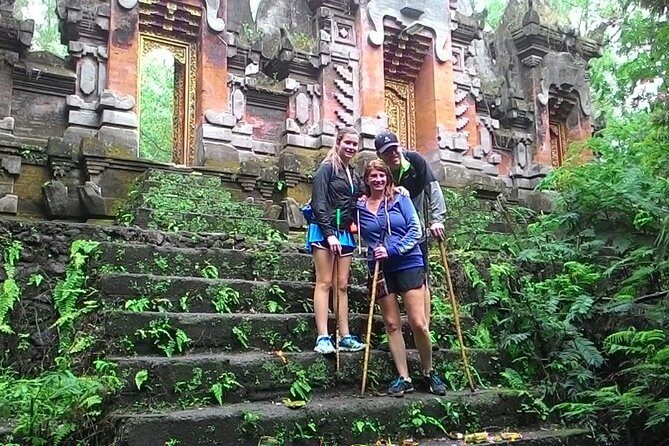
One thing I value in tours like this is whether the guide is focused on the job, not just the view. The strong pattern in the names that show up—Tana, Donn, Don, Jata, Oman, Komang ras—is a combination of:
- encouraging you when your pace slows,
- keeping safety front and center,
- and talking through the experience so the trek feels alive.
In particular, several descriptions point to guides providing motivation and help when someone struggled physically, including someone who twisted an ankle. That’s exactly what you want from a sunrise mountain guide: confidence, not chaos.
You’ll also get general knowledge about Bali through conversation, and guides often handle photos. That’s not the same thing as turning the trip into a photo shoot, but it does mean you’re more likely to leave with clear sunrise images without needing to keep asking strangers for help.
Value for $49.78: what you’re really paying for
At $49.78 per person, this tour is priced as a full package. You’re getting:
- a mountain guide,
- trekking poles and a headlamp,
- a hot drink on arrival,
- and breakfast at the crater with multiple items,
- plus two-way hotel transfers in an AC car.
So the value isn’t just the sunrise. It’s the total logistics made simple—car, guide, gear, timing, and food. If you tried to build this yourself, you’d spend time coordinating a guide, transportation, and summit breakfast planning. Even without comparing to other operators, the bundle is the point: it turns an early-morning volcano plan into something you can actually execute.
This is also a popular booking window—on average, it’s typically booked about 17 days in advance. If you’re traveling around peak times, I’d treat that as a hint to book sooner rather than later.
Who should book this private Mount Batur sunrise tour?
Book it if:
- you want a private tour with a guide who matches your pace,
- you like sunrise hikes and don’t mind an early alarm,
- you prefer having essentials handled—gear, breakfast, and hotel pickup,
- and you’d rather have flexibility on the descent (including crater walking).
You might look elsewhere if:
- you hate very early mornings,
- you’re not comfortable with a moderate uphill climb in darkness,
- or you’re hoping for a flexible weather plan that ignores clouds. This experience requires good weather, and sunrise depends on it.
That private format is especially good if your group includes mixed fitness levels. When everyone can walk at the pace that fits, the hike becomes a shared experience instead of a stress test.
Should you book Mount Batur sunrise trekking with breakfast and transfers?
If you want an organized, guide-led sunrise climb with food waiting at the summit, I think this is a solid choice. The strongest selling points for me are the private pacing, the included headlamp and poles, and that breakfast at the crater—plus the repeated emphasis on guides like Tana, Donn, Jata, and Oman being supportive and safety-focused.
I’d book it if you’re ready for the early start and you pack the basics (shoes, jacket, sun cream). I’d skip it if you’re fragile with timing or you’re hoping to sleep in and still catch sunrise. The mountain doesn’t care about your schedule. This tour at least gives you a smooth way to meet it.
FAQ
How long is the Mt. Batur sunrise trekking private tour?
The tour runs about 8 hours.
What time does pickup happen?
Pickup is scheduled between 1:30am and 3:00am.
Is the tour really private?
Yes. It’s listed as a private tour/activity, so only your group participates.
What’s included with the trekking?
You’ll have a mountain guide, trekking poles, and a headlamp, plus a hot drink on arrival.
What breakfast is included?
Breakfast at the summit/crater includes sandwiches, cakes, eggs, fruit, and hot drinks.
Do I get hotel transfer in Bali?
Yes. The tour offers pickup and drop-off from Ubud or south Bali addresses, including villas, using a private AC car.
What should I bring?
You should bring sport shoes, a jacket, mask and hand sanitizer, sun cream, and some cash.
What if the weather is bad?
The experience requires good weather. If it’s canceled due to poor weather, you’ll be offered a different date or a full refund.
Is there a cancellation deadline for a full refund?
Yes. You can cancel for a full refund up to 24 hours before the experience start time. If you cancel within 24 hours, it’s not refunded.