REVIEW · KUTA
Bali Full Day Tour – Ubud and Batur Volcano
Book on Viator →Operated by Bali Nature Holiday - Day Tours · Bookable on Viator
Bali can feel like sensory overload. This full-day loop keeps you moving through culture, temples, and viewpoints without getting too complicated. You start in villages known for performance and crafts, then work your way toward the Batur area for lunch with big scenery over the volcano and lake.
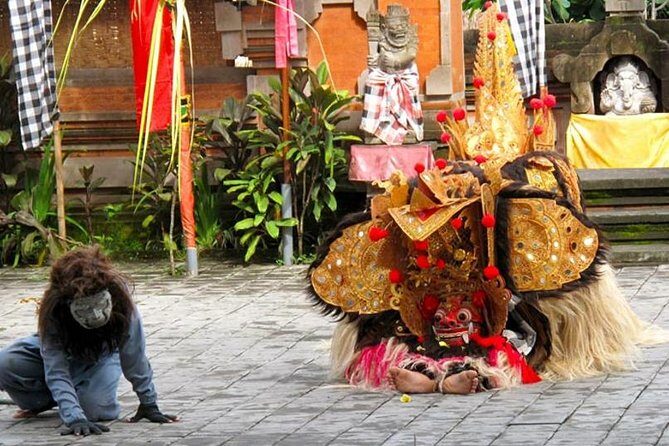
What I like most is how the day is built around specific cultural stops. You get a proper Barong and Kris Dance moment in Batubulan, then gold and silver work in Celuk, and traditional batik-making in Tohpati—each one giving you a clear reason to be there, not just a photo stop.
The main drawback to consider is time. It is a long day (about 10 hours), and some sights are only brief—so you’ll want comfortable shoes and a calm mindset for jumping between places.
In This Review
- Key highlights you’ll feel right away
- How this full-day Bali route works (and why it’s a good value)
- Batubulan to Tohpati: dance, gold, and batik before the temple part
- Batuan’s temple stop, then Tegenungan: short sacred moments and a big waterfall break
- Gunung Kawi Sebatu: the rock-cut tombs and the step descent
- Temen Village plantations and Kintamani lunch with Batur Volcano views
- Tampaksiring coffee and luwak, then Tegallalang’s rice terraces
- Finishing at Puri Saren Ubud: dance in a palace courtyard setting
- Price, pickup, and the private-group advantage (what $65 really gets you)
- Best fit: who should book this and who should skip it
- Should you book the Bali Full Day Tour to Ubud and Batur Volcano?
- FAQ
- Do you get pickup from Kuta?
- How long is the Bali Ubud and Batur Volcano day tour?
- Is this tour private or shared?
- Is there a mobile ticket?
- Are admission tickets included for the stops?
- What is the cancellation policy?
Key highlights you’ll feel right away
- Barong & Kris Dance in Batubulan Village with included admission and a full cultural start
- Celuk gold and silver smith area for watching traditional craftsmanship up close
- Tohpati batik workshops and products where batik motifs and writing are the focus
- Tegenungan Waterfall + rice-and-temple walking on the same day
- Kintamani lunch with Batur Volcano and lake views after plantation time
- Ubud ends with a palace-courtyard dance performance at Puri Saren Ubud
How this full-day Bali route works (and why it’s a good value)

This is a classic Bali day plan: start with performance and crafts in the Ubud orbit, sprinkle in a couple of major temple and nature stops, then finish with rice terraces and an evening-style dance setting at Puri Saren Ubud. The big win here is that the stops aren’t random. Each one has a clear theme—dance, metalwork, textiles, temple heritage, and finally those famous Ubud views.
At $65 per person for about 10 hours, the value comes from the fact that many sites list admission tickets included. That matters in Bali, where paying again and again can quietly add up. You also get pickup offered and a mobile ticket, plus the tour is private, meaning it is just your group.
One more practical note: the itinerary includes several villages and viewpoints spread over the Ubud region. That means you should expect drive time. If you hate being in a vehicle for long stretches, this style of tour might feel like work. If you like a “see a lot in one day” plan with a guide who keeps things moving, it works well.
If you're still narrowing it down, here are other tours in Kuta we've reviewed.



Batubulan to Tohpati: dance, gold, and batik before the temple part
Your day kicks off at Batubulan Village with the Barong and Kris Dance. This is one of the most recognizable ways to understand Balinese storytelling through performance. The tour includes admission, and you get a full hour here, which is enough time to take in the action without constantly checking the clock.
After that, you head to Celuk Village, the center of gold and silver smith work. This is a great stop when you’re tired of generic souvenirs. Celuk is about making things—craft skill, tools, and finished pieces—so you get to see why Bali is famous for quality handmade work. The hour here is practical too; it gives you time to browse and compare without feeling rushed.
Next comes Tohpati Village for batik. The description is clear about what you’re looking for: woven crafts plus traditional writing, with lots of motifs, shapes, and materials. The price range there can run from tens of thousands up to millions of rupiah, so you can window-shop or buy if you find something you truly like.
Here’s the smart way to handle these craft stops: treat them like learning stops, not shopping marathons. Ask questions about materials and designs, and set a rough spending limit before you arrive. That way you don’t end up with a bag full of good intentions and no room for it in your suitcase.
Batuan’s temple stop, then Tegenungan: short sacred moments and a big waterfall break
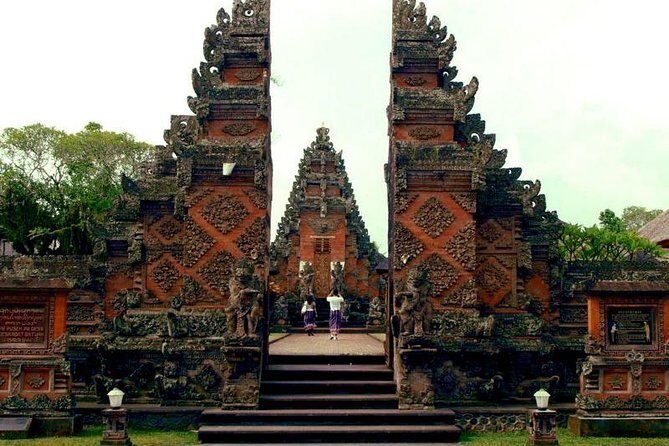
The tour moves into temple time with Puseh Batuan Temple. It’s listed as about 30 minutes, and it’s part of the older “Trinity” temple concept mentioned in the description. Even in half an hour, you get the sense of how Balinese worship is woven into daily life. I like short temple stops like this because they let you observe without turning it into a lecture.
Then you shift gears to nature with Tegenungan Waterfall. You get about 45 minutes and admission is listed as included. Tegenungan isn’t described as the tallest waterfall on Bali, but it’s popular for a reason—people go for the feeling of the water and the view down from the walkway areas. The time here is long enough for a few photos and a slow look, but not so long that you lose the whole day to slippery rocks and cold mist.
Practical tip: if you’re planning photos, go when your guide says it’s the right moment rather than assuming the first viewpoint is the best. Waterfall crowds can change fast, and you’ll get better shots with a little patience.
Gunung Kawi Sebatu: the rock-cut tombs and the step descent
Next up is Gunung Kawi Sebatu Temple. The tour highlights the 11th-century tombs carved into the rock face, reached via a step descent through rice-terrain scenery along the Pakerisan River gorge. This is one of the stops that feels like you actually traveled somewhere, not just stayed in town.
Because it involves stairs and going down into the gorge area, wear shoes with grip. You’re not climbing a mountain, but you are stepping on uneven surfaces, and you’ll feel it in your calves if you’re not used to walking on steps.
The time allotted is 30 minutes, which is short but workable here. The key is to focus: look at the carvings, notice the setting, and then head back up when your timing allows. If you try to stretch it into an all-day hike, you’ll start to feel the pressure of the rest of the schedule.
Temen Village plantations and Kintamani lunch with Batur Volcano views
The tour then heads toward the Mount Batur area, stopping first in Temen Village for coffee and spice plantation time. You specifically get coffee, cocoa, vanilla, and clove plantation exploration. This part of Bali is often sold as a “tourist coffee show,” but the way this itinerary frames it makes it useful: you’re there to see what’s actually grown and what those ingredients mean locally.
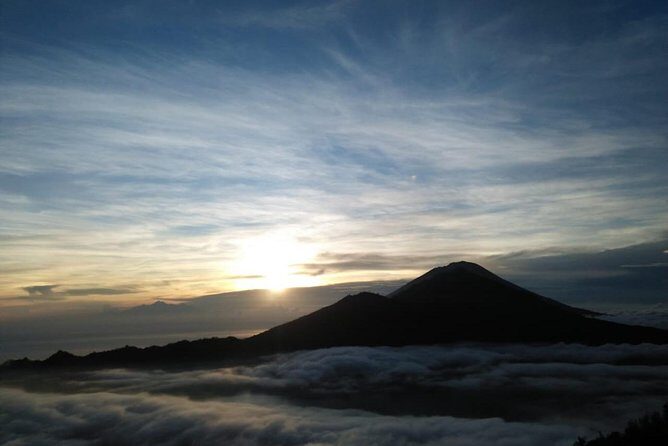
After that, you have lunch in Kintamani Village, with an overlook of Batur Volcano and the lake. This is the big scenery moment of the day, and it’s why the Batur portion is worth fitting into your schedule. Even if the volcano view depends on conditions, the Kintamani setting is the kind of place where everything clicks: you understand why people plan their Bali trips around these highland views.
One realistic expectation: mountain-area weather can shift. Clouds can roll in. If your view is partly blocked, it’s still a good time to enjoy the pause in the day—lunch and breathing room after village hopping.




Tampaksiring coffee and luwak, then Tegallalang’s rice terraces
After Kintamani, you continue with Tampaksiring. The tour includes a stop for coffee and cocoa plantations, and it mentions luwak coffee experience time. This stop is marked admission ticket free in the schedule, but the real value is the chance to connect plantation time with what people drink and buy.
Next is Tegallalang Rice Terrace, one of Bali’s most famous Ubud-area views. You get about 30 minutes, and it’s noted as free admission. This is enough time to walk a little, find a viewpoint, and take photos without feeling trapped there for hours.
My advice here is simple: don’t try to see every single terrace angle. Pick one or two viewpoints that match your photo style—wide valley shots or closer texture shots—and then move on. You’ll enjoy the day more if you treat Tegallalang as a highlight, not a second full tour.
Finishing at Puri Saren Ubud: dance in a palace courtyard setting
Your final stop is Ubud, specifically Puri Saren Ubud. The itinerary description focuses on the setting: respected dance groups perform several nights a week in the outer courtyard of the principal palace, at the northeast corner of the central crossroad. The tour allows about 45 minutes, which is a comfortable window if the performance schedule lines up.
This is a nice finish because it gives you a cultural bookend. You started with Barong and Kris earlier, and you close with dance in a palace courtyard environment—so the day feels connected.
If you care about being comfortable, dress for warm weather but plan for cooler air in the evening. Bali can shift temperature quickly as the day fades, especially around Ubud.
Price, pickup, and the private-group advantage (what $65 really gets you)
Let’s talk value without fluff. $65 per person for roughly 10 hours is in the “budget-friendly but still packed” category. The tour price makes more sense when you factor in that multiple stops list admission tickets included, and a couple are marked free in the schedule. In practice, that can mean you spend less on site entries and more on your own choices like souvenirs and optional upgrades.
The other value piece is the private tour. Your group is the only group on the itinerary, so you’re not competing with a train of strangers for time and attention at each stop. It also means the guide can pace things to your energy level—slow down if you want more time at a craft shop, or speed up if you’re ready to move.
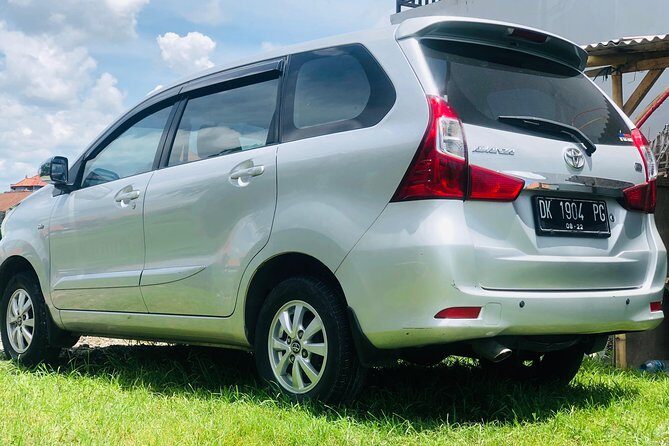
From the experience’s feedback, the guide quality tends to be a major reason people feel good about the day. Names like Putu and Putu Mayong come up, along with Bayu in longer bookings. One of the best signals here is that the guides are not only driving and explaining—they also help with photos and keep the vibe friendly. A comfortable, well-equipped car also shows up in the feedback, and that matters on a full-day route like this.
Best fit: who should book this and who should skip it
This tour is a strong match if you want a high-effort, high-variety day. You like seeing multiple parts of Bali—craft villages, temple sites, a waterfall, a volcano-view lunch, and rice terraces—without planning your own route.
It also suits couples, families, and small groups who prefer a guide-led day over bouncing from place to place by yourself. If your group enjoys photography, you’ll likely appreciate guides who help with angles and timing rather than just narrating facts.
You might want to skip (or pick a shorter tour) if you:
- hate long car days and want mostly one main area
- need very long time at fewer sites (this itinerary includes several short stops)
- dislike stepping descent areas (Gunung Kawi Sebatu involves stairs down)
Should you book the Bali Full Day Tour to Ubud and Batur Volcano?
If you want one day that covers the best-known Ubud-and-volcano beats, I’d book it. The strongest reasons are the balance of culture + scenery, the included admissions on many stops, and the fact that you’ll likely get a guide who can handle driving well while still making the day feel personal—especially if you’re traveling with guides like Putu Mayong or Bayu.
If you’re the type who prefers a slow, deep day in just one neighborhood, you may feel rushed. But for a first Bali visit, or for a trip where you need to tick off Ubud highlights and the Batur viewpoint in one shot, this is a practical choice.
FAQ
Do you get pickup from Kuta?
The tour offers pickup. The exact pickup arrangement isn’t detailed here, but pickup is part of the offering.
How long is the Bali Ubud and Batur Volcano day tour?
It runs for about 10 hours.
Is this tour private or shared?
It’s listed as private, meaning only your group participates.
Is there a mobile ticket?
Yes, the tour uses a mobile ticket.
Are admission tickets included for the stops?
Many stops list admission ticket included, while a few are marked free in the schedule (like Tampaksiring, Tegallalang, and Ubud).
What is the cancellation policy?
You can cancel for a full refund up to 24 hours in advance of the experience start time.