REVIEW · SEMINYAK
Bali Full-Day to Exploring The Most Popular Bali Temples Tour
Book on Viator →Operated by Telaga Waja Rafting Bali · Bookable on Viator
Bali’s temples are spiritual theatre. This full-day tour turns that idea into a practical route from Seminyak, with pickup, air-conditioned comfort, and a clear sequence of sites you’ll actually remember. I especially like the way the day mixes dramatic viewpoints and stair climbs with water-focused rituals, so it doesn’t feel like you’re checking boxes. I also like that entrance tickets and a proper lunch are handled for you, which matters on a long island drive. The main downside is simple: it’s a long day with walking and steps, and if a site is closed for restoration, your plan can shift.
You’ll be in a private vehicle with a professional English-speaking driver who works like a guide, and that makes the trip smoother than jumping between temples on your own. One example from how the day can play out: my driver Ketut explained that Kehen was closed for restoration and offered a swap to Ulu Petanu waterfall instead—an easy win if it happens to you. Still, do plan for changes, and don’t schedule anything tight right after your tour.
In This Review
- Key highlights you’ll care about
- Bali Temple Route From Seminyak: Why This Day Works
- Kehen Temple: Steps, Offerings, and a Hilltop Feel
- Besakih Temple: The Big Complex and the Mother Temple Factor
- Tirta Empul Temple: Where Sacred Water Runs Through the Day
- Gunung Kawi Sebatu: A Water Temple With a More Intimate Setting
- Goa Gajah (Elephant Cave): Archaeology, Cool Air, and Real Age
- The Temples Aren’t the Only Stops: Village Pass-By Moments
- What’s Included (and What It Means for Your Day)
- Timing and Pace: 9 to 10 Hours With Built-In Temple Breathing Room
- Dealing With Real-World Changes: When a Temple Closure Happens
- Who This Tour Fits Best
- Should You Book This Bali Temples Tour?
- FAQ
- How long is the Bali temples tour?
- Where is pickup and drop-off offered?
- Is this tour private?
- Which temples are included?
- Are entrance tickets included?
- Is lunch included, and is vegetarian food available?
- What are the transportation details?
- What should I wear and bring?
- What happens if the tour can’t run due to poor weather?
- What is the cancellation refund rule?
Key highlights you’ll care about
- Private vehicle with an English-speaking guide so you can ask questions and keep the pace comfortable.
- Kehen, Besakih, Tirta Empul, Gunung Kawi Sebatu, and Goa Gajah in one efficient route instead of scattering your day.
- Water ritual stop at Tirta Empul, where you’ll see purification pools connected to a holy spring.
- Lunch near Besakih is built into the timing, and it’s scenic and satisfying.
- More than temples: you also pass traditional areas tied to wood carving, gold and silversmithing, and hand weaving.
Bali Temple Route From Seminyak: Why This Day Works
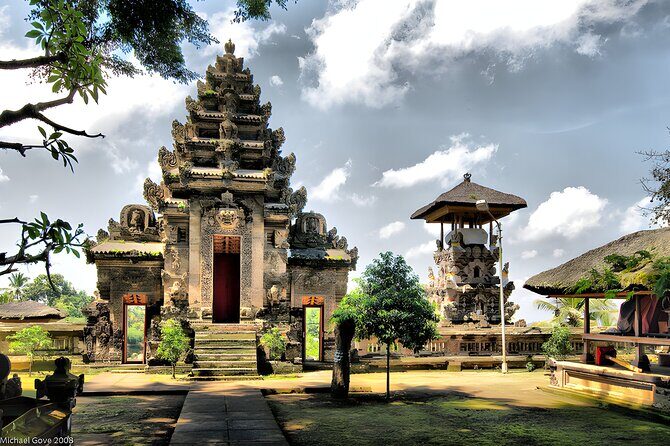
If you only have one full day in Bali, this kind of temple loop makes sense. You’re not just seeing one famous landmark—you’re moving through different styles of Hindu worship, architecture, and sacred landscape, all in a single organized plan.
The route is built around five major stops, with roughly an hour at each. That hourly structure is helpful. It gives you time to enter, look around, and still stay ahead of the fatigue that hits near the end of a temple-heavy day.
The other practical win is that you start and finish with hotel/villa pickup and drop-off in the Seminyak area. That saves you from the constant question of how to get to the next temple without adding stress to an already busy schedule.
If you're still narrowing it down, here are other tours in Seminyak we've reviewed.



Kehen Temple: Steps, Offerings, and a Hilltop Feel

Kehen Temple is the kind of place that immediately sets a mood. It’s dedicated to Shiva, Brahma, and Vishnu, and you’ll notice worshippers burning offerings on a small hearth as you approach.
One detail you’ll feel in your legs: to reach the gate, you climb a stone staircase with 38 steps. That’s not a problem for most people, but if you’re not great with stair walking, it’s worth knowing up front.
Kehen is also known for its dramatic setting—standing above a steep slope. The climb and the view combine into something that feels less like a quick photo stop and more like a real arrival at a sacred spot. You’ll still want your camera, but also take a moment to watch what’s happening on the ground. That’s where the temple energy lives.
Besakih Temple: The Big Complex and the Mother Temple Factor
Besakih is the headline temple on many Bali itineraries, and this tour puts it in the middle where it belongs. It’s often called Bali’s Mother Temple, and it’s a large Hindu temple complex with a long reputation as a major sacred site.
Practically speaking, Besakih is a great choice for your pacing. You get about an hour there, which is enough to see key areas without turning the experience into a rushed sprint. You’ll also be close enough to the lunch stop that the day flows without you feeling stranded in between.
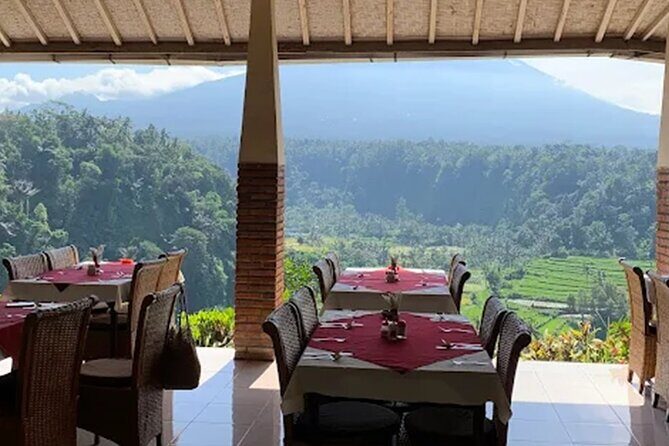
After you explore, you’ll enjoy lunch in the Besakih area. In my view, this is one of the smartest parts of the day because it keeps your energy stable. A previous traveler highlighted that the lunch site had terrific scenery and good food, and that matches the logic of placing lunch near a major temple rather than far away.
If you’re the kind of person who likes a temple that feels grand and widely revered, Besakih will deliver.
Tirta Empul Temple: Where Sacred Water Runs Through the Day
Then the tour shifts from temple courtyards to ritual water at Tirta Empul. The name points you to the core idea: it’s tied to a holy water spring used in cleansing rituals.
Here’s what you’ll likely notice as you walk the perimeter: the spring feeds purification baths and pools, and there are fish ponds around the outer area. That mix of water, pools, and everyday temple life creates a different atmosphere than the stone-and-steps feel of Kehen.
This stop is also a good reset after Besakih. You can slow down. Watch how people move through the cleansing process. Even if you don’t fully understand every ritual detail, you’ll recognize that this is a living religious space, not just scenery.
Plan for slightly more time to stand, look, and take photos. The water areas are visually busy, and it’s easy to keep your attention on what you’re seeing longer than you planned.
Gunung Kawi Sebatu: A Water Temple With a More Intimate Setting
Gunung Kawi Sebatu shifts the mood again. It’s a Hindu water temple dedicated to Vishnu, who is said to rule over water. Instead of feeling like a huge public complex, this site feels more like a quiet place tucked into the land.
The setting matters: it’s located in a dip in the ground, surrounded on three sides by stonewalls. That creates a natural enclosure effect. You get a more enclosed, focused view of the temple area, which makes it a nice change when the rest of the day includes more open views and wider complexes.
As with most Bali temples, you’ll want to keep your attention on respectful movement and clear pathways. The layout here encourages you to slow down and observe.
If you’re a fan of water-themed sacred sites, this one pairs well with Tirta Empul. Together, they create a theme: water as purification, protection, and spiritual connection.




Goa Gajah (Elephant Cave): Archaeology, Cool Air, and Real Age
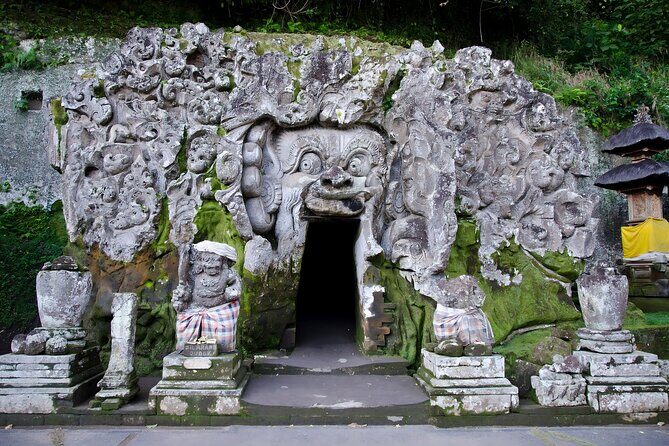
Goa Gajah—also known as Elephant Cave—is an archaeological site with significant historical value. It’s one of those places where your imagination helps a lot, because you’re looking at remnants of older layers of life.
You’ll hear it described as being on the cool western edge of Bedulu village. Even without going deep into the archaeology lesson, the setting helps. It feels like you’re arriving somewhere that existed long before the tourism map.
This is typically a solid final temple stop because it contrasts with the others. You’re not only looking at active worship spaces—you’re also looking at the material evidence of older time.
Bring your camera, but don’t rush the edges. Sites like this reward slower observation.
The Temples Aren’t the Only Stops: Village Pass-By Moments
One thing I appreciate about this tour is that it includes more than just temple interiors. On the way between stops, you pass traditional areas associated with:
- wood carving
- gold and silversmith craft
- hand weaving
These pass-by moments can be surprisingly useful. They give you quick context for what you’re seeing later—how people live, work, and shape Bali’s cultural identity around religious and community life.
You won’t be turning it into a shopping tour (at least based on the structure here), but you’ll understand the surroundings better. That’s a win, especially if it’s your first trip to the island.
What’s Included (and What It Means for Your Day)
This tour package is priced at $90 per person, and it’s designed to reduce friction. When a day trip includes transport, driver time, entrance fees, and lunch, it costs less mental energy to enjoy.
Here’s what you get that matters most:
- Private tour: no other participants in the vehicle besides your group
- Air-conditioned vehicle: important in Bali heat
- Professional English-speaking driver (guide role)
- All entrance tickets
- Buffet lunch if that option is selected
- Petrol, parking, tax, and services
- Hotel/villa pickup and drop-off in the Seminyak area
Those inclusions add real value. Entrance fees plus a driver plus vehicle time can turn an “easy day” into an expensive DIY plan fast. This setup helps you control the day without doing the math every hour.
It also notes that vegetarian options are available if you advise at booking. If you have dietary needs, that’s worth taking seriously early rather than hoping things will work out on-site.
Timing and Pace: 9 to 10 Hours With Built-In Temple Breathing Room
Expect about 9 to 10 hours total. The day runs long enough that you’ll want to treat it like an all-day plan, not a quick sightseeing sprint.
Each main stop is around an hour. In reality, temple sites can take longer if you pause for photos, watch worshippers, or just sit with the setting. The private vehicle helps here: you’re not waiting for strangers to finish their walk-around.
A smart tip: start your day rested, and bring sunscreen even if the morning looks mild. Bali sun can surprise you, and you don’t want to spend the afternoon hunting for shade.
Also, wear smart casual clothes. Think respectful and comfortable for walking and entering temple areas.
Dealing With Real-World Changes: When a Temple Closure Happens
Even with a solid plan, Bali is still Bali. One reason this kind of tour is worth considering is that you’re not left stranded.
In one real-world example, my driver Ketut explained that Kehen Temple couldn’t be visited due to restoration work, and he offered Ulu Petanu waterfall as an alternative. That’s exactly the kind of flexible thinking you want on a temple day: keep you moving, keep you seeing something meaningful, and avoid turning the day into disappointment.
So if your schedule is tight, don’t schedule another timed activity right after. Build in a little buffer. The day can shift for weather or site maintenance, even when the route is otherwise well organized.
Who This Tour Fits Best
This tour suits you if:
- you want a first-timer Bali temples day that’s efficient from Seminyak
- you like a mix of major landmarks and more intimate sacred water spots
- you prefer a private vehicle so the pace is yours
- you value having entrance tickets and lunch handled
It may be less ideal if:
- you dislike stair climbing or don’t handle walking well
- you want long free time at a single site instead of visiting multiple temples
- you prefer to travel without any schedule at all
Most people can participate, but the temples themselves involve walking, steps, and uneven paths.
Should You Book This Bali Temples Tour?
I think this is a strong choice for a one-day temples hit from Seminyak, especially if you want value that’s not just about the $90 price. The real value is in the included entrance tickets, driver-led navigation, air-conditioned transport, and a lunch stop that keeps the day from collapsing into fatigue.
If you’re the kind of visitor who likes seeing multiple temple styles—offerings at Kehen, the scale of Besakih, purification at Tirta Empul, water-veneration at Gunung Kawi Sebatu, and the archaeological atmosphere of Goa Gajah—then this route gives you a complete picture.
My final advice: pack sunscreen, wear smart-casual footwear-ready clothes, and stay flexible. If a site is under restoration, you’ll want that adaptable mindset. If not, you’ll get a satisfying full-day walk through Bali’s spiritual landscape without the hassle of planning every turn yourself.
FAQ
How long is the Bali temples tour?
It runs about 9 to 10 hours.
Where is pickup and drop-off offered?
Hotel or villa pickup and drop-off are provided from the Seminyak area.
Is this tour private?
Yes. It’s a private tour, meaning only your group participates.
Which temples are included?
The tour includes Kehen Temple, Besakih Temple, Tirta Empul Temple, Gunung Kawi Sebatu Temple, and Goa Gajah Temple (Elephant Cave).
Are entrance tickets included?
Yes. All entrance tickets are included.
Is lunch included, and is vegetarian food available?
Lunch is included if you select the buffet lunch option. A vegetarian option is available—just advise at booking.
What are the transportation details?
You travel in an air-conditioned vehicle with a professional English-speaking driver.
What should I wear and bring?
Dress code is smart casual. Bring sunscreen and a camera.
What happens if the tour can’t run due to poor weather?
The tour requires good weather. If it’s canceled because of poor weather, you’ll be offered a different date or a full refund.
What is the cancellation refund rule?
You can cancel for a full refund up to 24 hours before the experience start time. If you cancel less than 24 hours before, the amount paid is not refunded.