REVIEW · KUTA
Bali Highlights : Nature, Waterfall, Rice Terraces and Volcano
Book on Viator →Operated by BaliHit · Bookable on Viator
A full day of Bali’s best greens. You’ll move through Tegenungan Waterfall jungle scenery, stroll the Tegalalang rice terraces, and then hit the volcano viewpoints around Mount Batur. I like that the day is built for motion (short stops, clear priorities) and that you get practical touches like hotel pickup and a temple sarong. One thing to plan for: the waterfall and rice terrace tickets are not included, and lunch is on your own.
What makes it feel worth it is the mix of nature and hands-on culture. You’re also set up for easy logistics with an air-conditioned vehicle, parking handled, and a mobile ticket so you’re not scrambling at the gates. The private setup is nice too, since your group stays together instead of getting chopped up in larger crowds.
In This Review
- Key highlights at a glance
- Your Bali highlights day: what it’s really like
- Price and value: why $37 matters (and where you’ll still pay)
- Pickup, transport, and the private-group feel
- Tegenungan Waterfall: jungle views and the option to go down
- Tegalalang Rice Terraces: famous paddies and real working scenery
- Mount Batur and Kintamani: volcano views with a meal option
- Batuan Temple (founded around 1020 AD): stone carvings you can actually see
- Celuk Village: gold and silver craftwork in the real economy
- Ubud Palace, Pasar Ubud, and Mas wood carving: culture with your feet moving
- Ayung River jungle swing photo stop: fun visuals, extra costs likely
- Gunung Kawi: a quieter temple complex along the Pakerisan River
- How the route changes for Kuta and other Bali bases
- What makes a great guide matter here
- Best-fit: who this tour suits best
- Should you book Bali Highlights?
- FAQ
- What’s the duration of the Bali Highlights tour?
- Does the tour include hotel pickup and drop-off?
- Are entrance tickets included?
- Is lunch included?
- What do I need for temple visits?
- Can I cancel and get a full refund?
Key highlights at a glance
- Tegenungan Waterfall: a jungle setting with time for views and walking down toward the water
- Tegalalang Rice Terraces: famous green paddies plus a stroll through working-farm scenery
- Mount Batur (Kintamani): volcano-and-valley views, with lunch possible at your own cost
- Batuan Temple: older carved stone (founded around 1020 AD) with strong visual detail
- Celuk Village: gold and silver handicrafts, a very real look at local making
- Ubud add-ons: palace and markets in the same day, plus options like wood carving and swing-style photo stops
Your Bali highlights day: what it’s really like

This is the kind of Bali tour that works best when you want a lot of variety without turning the day into a logistics project. You start from Kuta (or nearby) and get hauled around in an air-conditioned vehicle, which matters because Bali traffic can turn a simple plan into a long one.
The big theme is “nature first, culture in between.” You’ll spend real time at the waterfall and rice terraces, then shift to temple and craft stops that help you understand what you’re seeing. It’s also a tour where photos happen naturally: waterfall viewpoints, terrace paths, carved temple stone, and volcano views are all built for camera time.
One practical detail: the day can feel long because it’s active and spread out. If you’re the type who wants one slow spot and lots of downtime, this may feel busy. If you like ticking off must-sees while a guide keeps things moving, it fits well.
If you're still narrowing it down, here are other tours in Kuta we've reviewed.


Price and value: why $37 matters (and where you’ll still pay)
At about $37.23 per person, the price is low enough that you should think about it as transport + several paid stops included, not a fully “everything is free” deal. You do get hotel pickup and drop-off, private transportation, and an air-conditioned vehicle. Parking fees and fuel surcharge are also handled, which quietly saves stress.
Entrance tickets are described as included depending on the package you book. That’s important: some tickets are explicitly not included (like the waterfall and rice terraces). So your overall cost will depend on what you choose inside the day.
Lunch is not included. Even when lunch is mentioned as possible at Mount Batur, you’d pay on your own. So I’d budget for snacks or a meal day-of, especially if you’re trying to avoid the “hangry timing gap” that happens on long sightseeing routes.
Pickup, transport, and the private-group feel
You’ll get picked up from your hotel or villa lobby, and the exact pickup time is based on your booking. Free pickup areas are listed for a wide set of locations, including Kuta, Seminyak, Ubud, Nusa Dua, Sanur, Jimbaran, Canggu, Legian, Denpasar, and Benoa Harbor.
This matters because Bali tours often become painful if your pickup is an extra taxi trip. Here, you get hotel-to-hotel convenience and a vehicle that’s already set up for sightseeing. There’s also a note that the tour is private, meaning only your group participates. That’s a comfort upgrade if you don’t want to negotiate sharing space with strangers.
You’ll also get a sarong for temple visits. That’s a small thing, but it’s the kind of small thing that prevents you from paying for a last-minute rental or scrambling for the right outfit.
Tegenungan Waterfall: jungle views and the option to go down
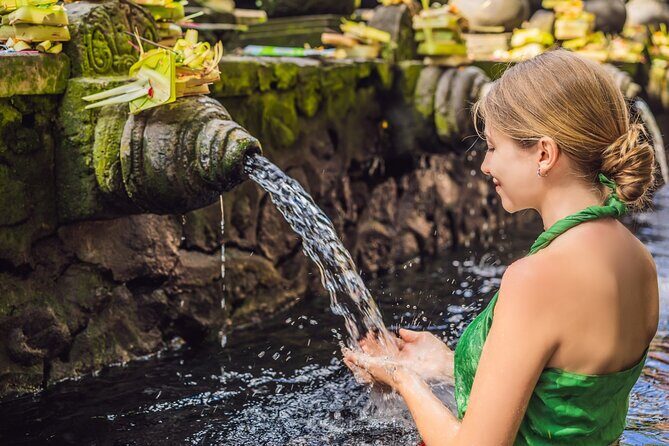
Your morning (or first main block) starts at Tegenungan Waterfall, surrounded by tropical jungle. The viewpoint is the easy win here: you can take in the scene from above, and you’ll have time to decide if you want to head down closer to the water.
This is one of those Bali locations where the setting does half the work. The greenery and steep surroundings make it feel more like a natural experience than a roadside attraction. Also, a good guide helps you time the visit so you’re not fighting crowds at the worst moment.
Ticket note: admission for this stop is not included. Plan to pay there on your schedule, or factor it into what you think you’ll spend for the day. If you’re sensitive to extra costs, this is the main “budget adjustment” at the front end.
Tip for your comfort: wear shoes with grip. Waterfall areas can get slippery, and if you go down toward the water, solid footing matters more than style.
Tegalalang Rice Terraces: famous paddies and real working scenery
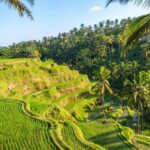
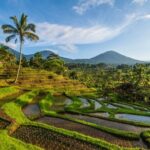
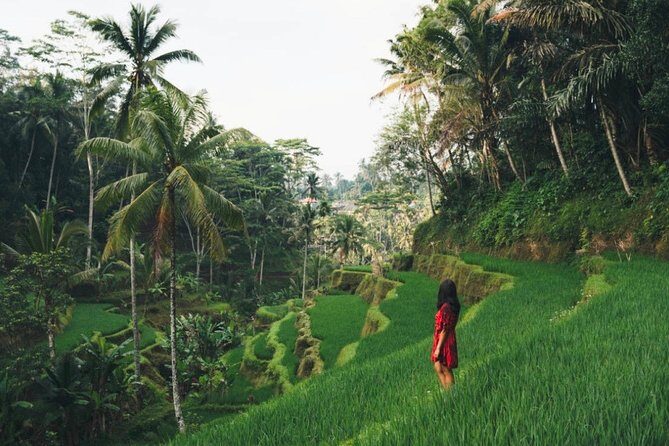
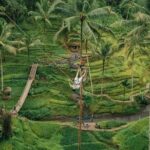
Next is Tegalalang Rice Terrace, one of the most recognizable rice-terrace views in Bali. You’ll walk through the paddies and see farmers doing daily activities, which makes the place feel more grounded than a purely decorative viewpoint.
This stop is also a strong photo opportunity because you get layered views—paths, terraces, and jungle edges all at once. If you’re into photography, it’s worth taking a few minutes to slow down rather than only grabbing the first “postcard angle.”
Ticket note: admission here is also not included. That’s worth remembering because it’s the second explicitly “not included” major nature stop.
What I like about rice-terrace visits is how they teach you Bali’s rhythm. Even with just an hour, you get a sense of how landscape, farming, and daily life connect. You’re not only looking at green scenery—you’re seeing how people manage it.




Mount Batur and Kintamani: volcano views with a meal option
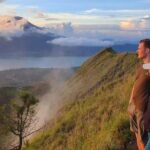
Then it’s up to the highlands area for Mount Batur views from Kintamani. You get a marvelous look over the volcano and the valley below, and you’ll have time to enjoy the viewpoint before moving on.
The tour describes lunch as possible here, but it’s at your own cost. That gives you flexibility: if you want a proper sit-down meal, you can likely find it. If you’d rather snack and keep moving, you can do that too.
This stop is where the day’s “wow” factor changes shape. A waterfall is sound and motion; the terraces are geometry and texture. A volcano viewpoint is scale and distance—different kind of impact, and often the kind of view that makes photos look better than expected.
One more practical point: higher elevations can feel cooler than beach-level Bali. Bring a light layer if you tend to get chilly, especially for longer viewing time.
Batuan Temple (founded around 1020 AD): stone carvings you can actually see
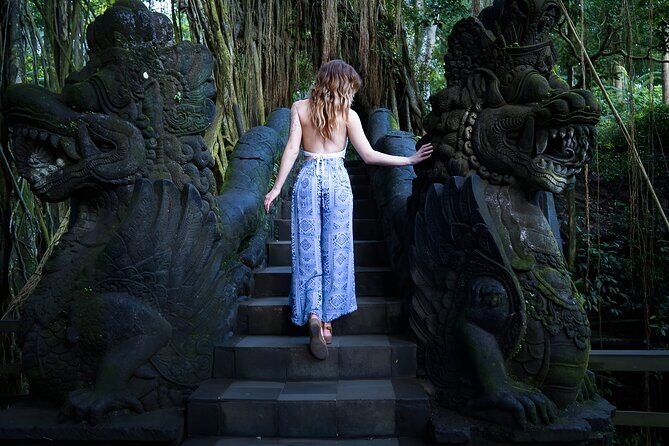
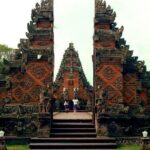
Batuan Temple is a very different kind of stop from the waterfalls and paddies. It’s described as founded around 1020 AD (about 944 saka) and known for ornate, elaborate carvings and decorative ornaments.
A temple stop like this is valuable because it’s not just “a building.” The carvings give you visual detail that rewards a slow look. You’ll also have the sarong provided, which lets you focus on the experience rather than the logistics of entry.
Ticket note: admission is included for this stop. That’s one of the ways the tour can feel good value—several cultural highlights aren’t added on as extras.
If you’re short on temple patience, aim for a quick route first, then go back to any carvings that catch your eye. Stonework like this is easiest to enjoy when you give it a little time to sink in.
Celuk Village: gold and silver craftwork in the real economy
Next comes Celuk Village, famous for producing high-grade gold and silver handicrafts, particularly jewelry. This is where your day shifts from “seeing Bali” to “seeing how Bali is made.”
A craft village stop can sometimes feel like a store parade. Here, the focus is on local production—so you’re more likely to understand the skill behind what you’re looking at. Even if you don’t plan to buy jewelry, you’ll still learn a lot by watching how artisans work.
Ticket note: admission is included for Celuk Village. So you get a cultural stop without surprise fees at the door.
If you’re shopping, keep a clear head. Craft villages can have strong selling energy, so decide before you go in whether you’re browsing or buying. If you’re just browsing, enjoy the process and take your time.
Ubud Palace, Pasar Ubud, and Mas wood carving: culture with your feet moving
After the main nature and temple blocks, the itinerary turns toward central Ubud. You’ll visit the Ubud Palace (Puri Saren Agung), described as the official residence of Ubud’s royal family. It’s the kind of place where the architecture and grounds help you understand Ubud’s past role.
Right across is Pasar Ubud, open daily and packed with things like paintings, silk scarves, lightweight shirts, and handmade woven bags. This market stop works best as a browsing break. It’s also a good moment to pick up small gifts that don’t require heavy packing.
You may also include Mas village, the center of Bali wood carving. Wood carving is one of those crafts that looks simple until you see the amount of handwork involved. Even if you’re not buying, you’ll likely get a better appreciation for the detail.
This is also a timing reality check. Markets and craft villages can turn into long detours if you drift from stall to stall. I’d give yourself a mental limit: look, choose one or two items if you really want them, then move on so you don’t rush the rest of the day.
Ayung River jungle swing photo stop: fun visuals, extra costs likely
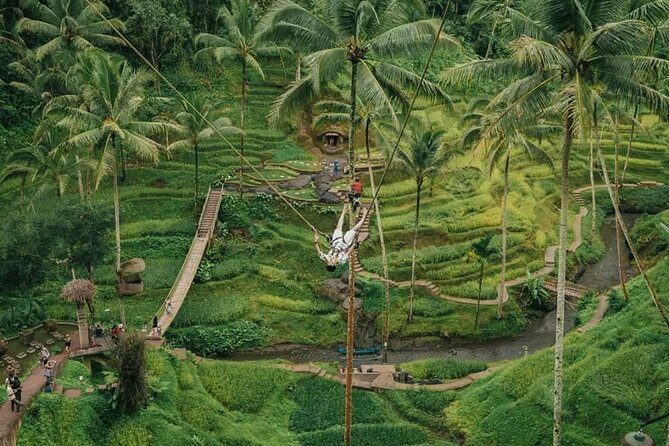
One of the more “photo-first” parts of the experience is a jungle swing over palm trees and the Ayung River area. The tour describes the joy of riding and taking memorable photos, plus time at a restaurant with jungle views.
It also notes that you can do many types of jungle swing on your own expenses. So think of the swing as optional. You might get the chance for the set-up and views, but the ride itself is likely where the extra charge comes in.
This is a good fit if you like goofy adventure photos. It’s less ideal if you dislike heights or prefer slower, quieter sightseeing.
Practical advice: wear something you can move in and keep your phone secured. Jungle-swing areas tend to be messy with vegetation and movement, so plan for comfort over fashion.
Gunung Kawi: a quieter temple complex along the Pakerisan River
Gunung Kawi is an 11th-century temple and funerary complex in Tampaksiring, spread across either side of the Pakerisan river. It’s described as rock-cut candi across the canyon area, so it feels more “carved into the land” than a standard temple courtyard.
Gunung Kawi stands out because the river setting changes how you experience it. You’re not just walking in open space—you’re working with a canyon-and-water environment, which affects light and viewpoint angles.
This stop is also listed as having admission tickets included. So it’s another point where the tour handles costs for a cultural highlight.
If you want a calmer end to your sightseeing block, this can help. It’s not as “loud” visually as markets or terraces, and it can feel grounding when you’re tired from the day’s driving.
How the route changes for Kuta and other Bali bases
The tour is marked for Kuta accommodations, and there are notes for several other areas like Legian, Jimbaran, Ungasan, Tuban, Nusa Dua, Sanur, Uluwatu, Canggu, Seminyak, and more.
That’s a big clue about the structure of the day: the route likely adjusts based on where you start, and you may see different coastal or cultural stops depending on the pickup area. Some additional names in the program include big landmarks and beaches like Kuta Beach, plus spots such as GWK Cultural Park (Garuda Wisnu Kencana) and other famous shoreline areas.
So if you’re choosing your day based on one must-see, focus on the core nature blocks (Tegenungan, Tegalalang, Mount Batur) since those are clearly described as core stops with defined time blocks. Coastal and park additions may be more variable.
What makes a great guide matter here
One standout detail from the experience is the guide’s role in making the day work smoothly. There’s a real emphasis on giving information and helping with photography, which changes how you experience places like terraces and viewpoints.
In a day like this, the “guide value” isn’t just facts. It’s also knowing where to stand, when to move, and how to keep the flow so you don’t lose your best angles to long waits.
I also like that the tour is described as private for your group. That usually means you can ask simple questions on the spot and get more personal help with photos.
Best-fit: who this tour suits best
This is a strong choice if you want a single 8 to 10 hour day that mixes Bali’s signature nature with classic Ubud culture. It’s also a good match if you’re staying in Kuta or a nearby area and want hotel pickup that actually goes somewhere.
You’ll enjoy it most if you:
- like short visits to several major sites
- want a guide to keep timing under control
- don’t mind paying for a couple extras (waterfall and rice terrace tickets, and lunch)
You might skip it or look for a slower alternative if you:
- hate busy days
- want fully included admission everywhere
- need long breaks between stops
Should you book Bali Highlights?
I’d book this if your goal is a “greatest hits” Bali day with minimal hassle. The big reasons are the hotel pickup, air-conditioned transport, and the fact that key cultural stops like Batuan Temple and Celuk Village have admissions handled (depending on your package). The waterfall, terraces, and volcano viewpoint are the heart of the day, and they’re the kind of places that reward a guided route.
I’d be cautious if you’re trying to keep costs very tight beyond the tour price, because the waterfall and rice terrace tickets are not included and lunch isn’t included. Also, since the day is action-packed, it helps to show up ready to walk and photograph.
If that matches your style, this is a fun way to spend your day in Bali—green scenery, real craft culture, and volcano views, all in one go.
FAQ
What’s the duration of the Bali Highlights tour?
The tour runs about 8 to 10 hours.
Does the tour include hotel pickup and drop-off?
Yes. Hotel pickup and drop-off are included, and pickup is available for several areas including Kuta, Seminyak, Ubud, Nusa Dua, Sanur, Jimbaran, Canggu, Legian, Denpasar, and Benoa Harbor.
Are entrance tickets included?
Entrance tickets are included depending on the package you book. Some stops specifically say admission is not included, like the Tegenungan Waterfall and the Tegalalang Rice Terrace.
Is lunch included?
No. Lunch is not included, though lunch can be served at Mount Batur at your own cost.
What do I need for temple visits?
You’ll be provided a sarong for entering Balinese temples.
Can I cancel and get a full refund?
Yes, you can cancel for a full refund if you cancel at least 24 hours before the experience’s start time. If you cancel less than 24 hours before, you won’t get a refund.