REVIEW · SEMINYAK
Canggu Motorbike Lessons
Book on Viator →Operated by Canggu Scooter Lessons · Bookable on Viator
Learning a manual bike here is oddly calming. The structured format helps you go from theory to basics to street time without throwing you into traffic too fast. I like that it’s manual-focused (not scooter), and I also like that you get a true training flow with clutch, gears, hill starts, and emergency braking. One thing to consider: this is not a first-timer scooter-style class—you’re expected to already have scooter riding experience and bring a valid license.
You’ll meet on a quiet village street, start with a quick theory session, then work through the fundamentals step-by-step. In the best reviews, instructors like Rico, Dino, and Gede are praised for going slowly, calming nerves, and helping riders feel safe and in control. The only real drawback for some people is logistics: private transportation isn’t included, so you’ll want a plan to get yourself to the C.S.L meeting point.
In This Review
- Key highlights at a glance
- Manual motorbike, not scooter: the real deal in Canggu
- Where you start: a quiet street and a calmer first mindset
- The lesson flow: theory first, then clutch and gear basics
- From training to street time: practice only when you’re ready
- Safety gear and smart protection choices
- Price and value: $35 for a private 2-hour skill session
- Who this lesson fits best (and who should skip it)
- Meeting point tips and what to do the morning of
- Instructor support: the calm factor that drives confidence
- Should you book this Canggu manual motorbike lesson?
- FAQ
- Is this lesson for a scooter or a manual motorbike?
- Do I need scooter riding experience first?
- Do I need a valid license?
- How long is the lesson?
- Is it a private activity?
- What’s included in the $35 price?
- Where does the lesson meet?
- Are breaks allowed during the lesson?
- What if the weather is bad or I need to cancel?
Key highlights at a glance
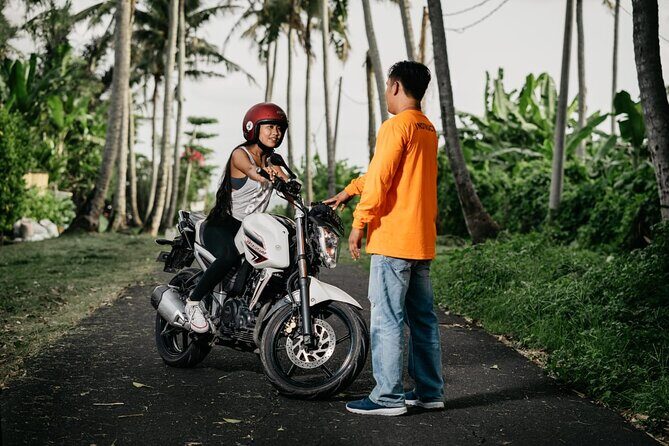
- Manual motorbike training (with clutch and gears) so you’re learning the skills that actually transfer to a manual bike
- Private lesson pacing built around confidence, not a rushed “watch and go” session
- Safety gear included: knee and elbow protectors plus a helmet
- Street riding only after you’re ready which helps new riders avoid panic at the wrong moment
- Breaks are allowed if you need to reset during the 2-hour session
Manual motorbike, not scooter: the real deal in Canggu
The biggest thing I’d underline before you book: this lesson is for a manual motorbike, not a scooter. That means you’re working the clutch and gears, not just rolling throttle. If you’ve ever watched someone ride a scooter and thought, easy, then tried a manual and felt the difference instantly—this is the class for turning that confusion into muscle memory.
Also, they explicitly require that you already have scooter experience. That’s not a random rule. Manual control has a lot going on at once (friction point, timing, gear changes), so your balance and throttle coordination need to be familiar. If scooter riding feels totally new, you’ll probably spend the two hours stuck in the basics instead of building confidence.
The good news is that manual skill is a big confidence multiplier in Bali. Even if you don’t plan to ride far, learning clutch control and emergency braking makes you calmer in every situation—because you know what to do when something changes fast.
If you're still narrowing it down, here are other tours in Seminyak we've reviewed.



Where you start: a quiet street and a calmer first mindset
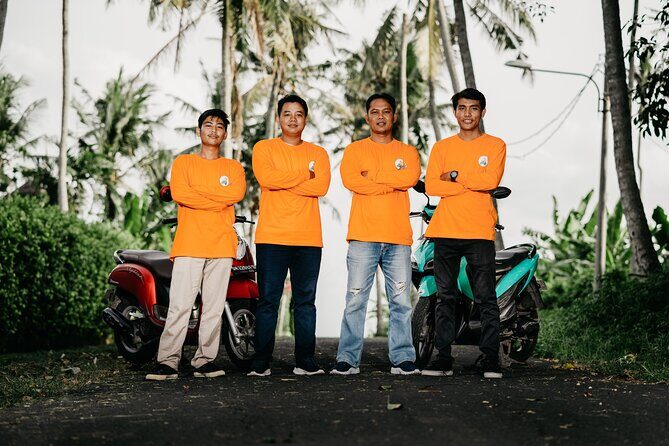
You’ll meet at 9:00 am at the C.S.L meeting point, listed as 94GX+FX7, Canggu, Kuta Utara, Badung Regency, Bali 80351, Indonesia. The setting matters: you’re starting on a quiet village street, not right beside a high-speed mess.
That calm start is one of the reasons riders leave feeling more confident. Your brain learns faster when you’re not fighting the environment and the vehicle at the same time. In real Bali traffic, you’ll be making small decisions constantly. Beginning in a quieter area lets you practice those decisions in a controlled way.
One practical note: the activity ends back at the same meeting point. So you don’t need to plan drop-offs or figure out how to get back after the lesson.
The lesson flow: theory first, then clutch and gear basics
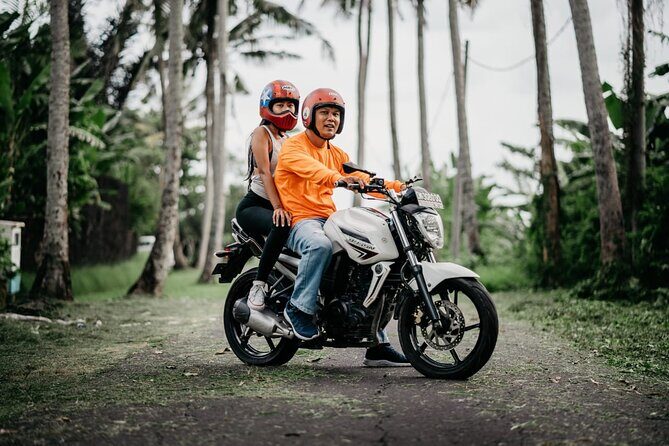
The format is refreshingly straightforward. First you get theory about how the motorbike works—plus what each control does. This isn’t just a safety lecture. It’s the foundation for everything you’ll practice next.
Then it’s time for the basics, built around the motorbike systems you need to control confidently:
- Clutch control (how and when to engage it smoothly)
- Gears (changing without lurching or stalling)
- Hill starts (where balance and timing matter most)
- Emergency breaks (how to stop effectively and predictably)
What I like about this order is that it matches how fear usually shows up. Riders often get nervous about starting off, then worry about what happens after. Hill starts are a classic panic point because the bike wants to roll backward. Emergency braking training matters because it tells you you have options, even if traffic surprises you.
You’ll also have the chance to take as much break time as you need. That’s underrated. If you’re tense, your timing gets worse. A short reset can turn a frustrating session into a productive one.
From training to street time: practice only when you’re ready
The lesson has a key progression rule: you move onto a street only when you’re completely confident. That single sentence changes the whole experience. It means you’re not just learning a checklist—you’re learning under supervision with real judgment about readiness.
So here’s what you can expect once theory and basics click: your instructor will keep you in the training zone until your clutch timing feels consistent, your gear changes feel smooth, and your braking response doesn’t feel like guessing. Once you reach that point, you get street practice in a way that matches your comfort level.
This matters especially if you’re coming from a driving culture that feels totally different. One review specifically calls out that riding in Bali is different from the USA, and after two lessons with Rico, the rider felt comfortable tackling the roads and staying safe. That kind of reassurance is exactly what you want during the transition from controlled practice to real movement.
Safety gear and smart protection choices
Included items are straightforward and actually useful:
- Motorbike and helmet
- Bottled water
- Knee and elbow protectors
I like that knee and elbow protectors are included. Most beginner courses focus only on the helmet, but for new riders, the most common problems can involve slow-speed mistakes—where arms and knees take the brunt of awkward recoveries. Protectors help you practice longer without fear turning into stiff, cautious riding.
Bring your common sense too. In Bali, the road situation changes fast. Even with training, you should treat street practice as skill building, not proof you’re ready for long trips.




Price and value: $35 for a private 2-hour skill session
At $35.00 per person for about 2 hours, this is one of those deals that looks simple until you break down what’s included. You’re getting:
- A private lesson structure (not a big group demo)
- A motorbike and helmet
- Knee and elbow protectors
- Water
- Hands-on training focused on clutch, gears, hill starts, and emergency braking
The value here is less about the bike and more about the supervision and pacing. Your cost isn’t buying a machine. It’s buying time with an instructor who can slow things down when your brain needs it.
One more value point: this is often booked around 5 days in advance. That suggests it’s a popular slot, especially for people who want a confidence boost early in their Bali stay. If you’re heading over soon, it’s worth locking it in rather than waiting.
What’s not included: private transportation. If you’re staying far from Canggu or you rely on a car from your hotel, add that cost or plan your route. Still, the lesson price itself is hard to beat for manual training.
Who this lesson fits best (and who should skip it)
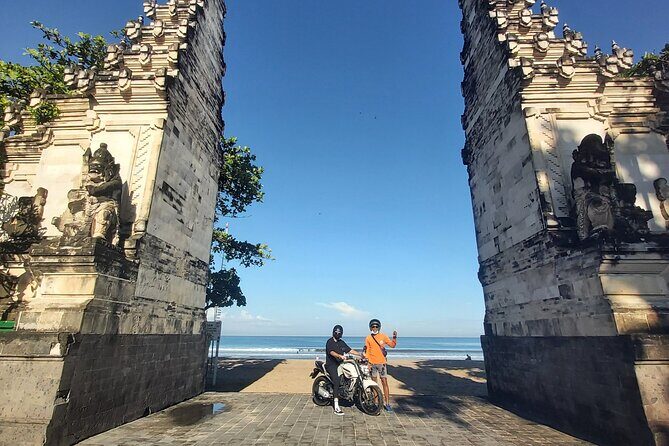
This works best if you:
- Want to learn manual control, not just scooter basics
- Already know how to ride a scooter
- Have a valid license
- Prefer a slower, confidence-based approach
It may not be the best match if:
- You’re truly brand new to two-wheel riding. Because manual adds complexity, you might feel overwhelmed without the scooter foundation.
- You don’t have a license. The requirement is clearly stated, so don’t count on improvising.
- You’re expecting a full-day ride tour. This is a focused skill session, about 2 hours.
On the body side, they ask for moderate physical fitness. That doesn’t mean you need to be an athlete. It means you should be comfortable with learning motions like clutch control, mounting/dismounting, and repeated braking practice.
Meeting point tips and what to do the morning of
You’ll start at 9:00 am at the C.S.L meeting point (94GX+FX7). Since the meeting street is described as a quiet village street, arrive early enough to calm down and gear up before training begins.
A few prep tips that help you get the most from the two hours:
- Wear closed-toe shoes you can move in. You’ll likely be using your feet often at low speeds.
- Use the included helmet and protectors correctly from the start. Don’t treat them as an afterthought.
- If you’re nervous (totally normal), use breaks strategically. The course allows breaks when needed, and reviews emphasize that instructors help restore confidence rather than push through panic.
The reviews also highlight reassurance after accidents and fear. In one case, Dino helped a rider who hadn’t driven for 6 months after an accident, rebuilding confidence. That tells you something important: the instructors are used to nervous riders, so you don’t need to pretend you’re fearless.
Instructor support: the calm factor that drives confidence
The most praised aspect across feedback is the way instructors handle nervous moments. People talk about help that feels clear, patient, and slow enough to be understood. Names that come up include Rico, Dino, and Gede.
Here’s how that likely translates into your experience:
- Instruction stays step-by-step
- Corrections happen before you develop bad habits
- Progress depends on your confidence, not the calendar
- You’re coached on safety basics like emergency braking, not just how to move forward
That coaching style is especially valuable on Bali roads, where traffic rhythm can feel unfamiliar. Even if you’re a strong scooter rider, manual clutch timing can make you feel shaky. A patient instructor reduces the guesswork and helps you keep control.
Should you book this Canggu manual motorbike lesson?
If you want to ride a motorbike in Bali with confidence, I’d say this is a strong choice—especially because it’s structured, private, and built around manual fundamentals. At $35 for about two hours with protective gear included, you’re paying for guided skill, not just sitting on a bike.
Book it if:
- You already ride scooters and want to level up to a manual
- You want a calm starting environment and street time only when ready
- You value slow coaching over being rushed
Skip it or consider another option if:
- You’re a complete beginner to two-wheel riding. Manual adds enough complexity that it might overwhelm you in one session.
- You don’t have a valid license, since that’s required.
FAQ
Is this lesson for a scooter or a manual motorbike?
This is a manual motorbike lesson, not a scooter lesson.
Do I need scooter riding experience first?
Yes. The lesson requires that you have experience riding a scooter.
Do I need a valid license?
Yes. Travelers should have a valid license.
How long is the lesson?
It lasts about 2 hours.
Is it a private activity?
Yes. It’s private, so only your group participates.
What’s included in the $35 price?
Included are the motorbike and helmet, bottled water, and knee and elbow protectors.
Where does the lesson meet?
You meet at C.S.L meeting point: 94GX+FX7, Canggu, Kuta Utara, Badung Regency, Bali 80351, Indonesia.
Are breaks allowed during the lesson?
Yes. You can take as much break time as you need.
What if the weather is bad or I need to cancel?
The experience requires good weather. If it’s canceled due to poor weather, you’ll be offered a different date or a full refund. You can cancel for a full refund up to 24 hours before the experience starts.