
REVIEW · SEMINYAK
Kuta Seminyak Scooter Lessons
Book on Viator →Operated by renaldio sharial · Bookable on Viator
Picking up scooter skills in Bali is a game-changer. This lesson is built for beginners, starting with something close to a scooter before you ever ride the real thing on the road. It also saves you from the common trap: renting transport before you feel in control.
I especially like the step-by-step coaching I’ve seen credited to instructors like Raffi and Dio—calm, patient, and focused on fundamentals. A second big plus is that you don’t just learn controls; you also get local street rules and practical guidance on avoiding trouble, including how to handle police-related risks.
The main drawback is simple: you still need decent comfort with traffic. If you freeze the moment the road gets busier, you may want extra time to practice your confidence before you plan scooter rides on your own.
In This Review
- Key things I’d plan around
- Why Scooter Practice in Seminyak Beats Guessing
- What Happens in the 2 Hours: From Power Bike to Real Scooter
- Canggu Practice Ground: Quiet Starts, Then Real Streets
- Learning Bali Street Rules and Avoiding Police Problems
- Price and Value: Is $52 Really Worth It?
- Included Gear: Why It Matters for Beginners
- Tips Before You Go (Based on What’s Actually Provided)
- Who Should Book This Scooter Lesson
- Should You Book the Kuta Seminyak Scooter Lessons?
- FAQ
- FAQ
- How long is the scooter lesson?
- Where does the lesson take place?
- What is included in the price?
- Is breakfast or water provided?
- Do I need private transportation to get there?
- Is this lesson private or shared with other groups?
- What if the weather is bad?
- When can I book, and what are the hours?
Key things I’d plan around
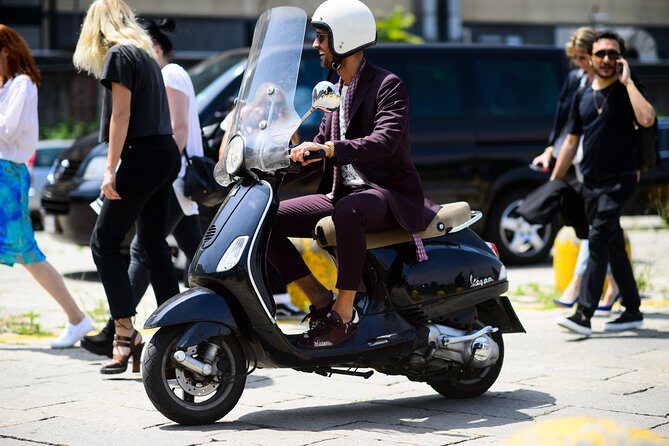
- Beginner-to-scooter progression: practice first on a powered bike, then move to a scooter
- Coaching you can count on: instructors like Raffi and Dio are described as calm and patient
- Road rules, not just riding: guidance on street behavior and avoiding problems with police
- Real confidence building: starting on quieter roads, then moving to busier streets
- Included safety gear: scooter, helmet, and practice bicycle are part of the lesson
- Good weather matters: the lesson requires decent conditions to run well
Why Scooter Practice in Seminyak Beats Guessing
If you’re planning a longer Bali stay, scooter learning is one of the few travel investments that pays you back again and again. In places across Asia, scooters are the default. When you can ride confidently, you stop treating transport like a tax on your day. You start choosing where you go, when you go, and how long you stay.
This lesson in Seminyak’s Canggu area is a smart middle ground. You get hands-on practice with a coach, in a setting made for learning. And you’re not just watching instructions from the sidewalk—you’re practicing the basics, then transferring those basics to a scooter.
I also like the attitude behind the course. The goal isn’t to impress you. It’s to get you to a point where you can ride with less stress. That matters in Bali, where traffic moves fast and rules feel more local than universal.
If you're still narrowing it down, here are other tours in Seminyak we've reviewed.



What Happens in the 2 Hours: From Power Bike to Real Scooter
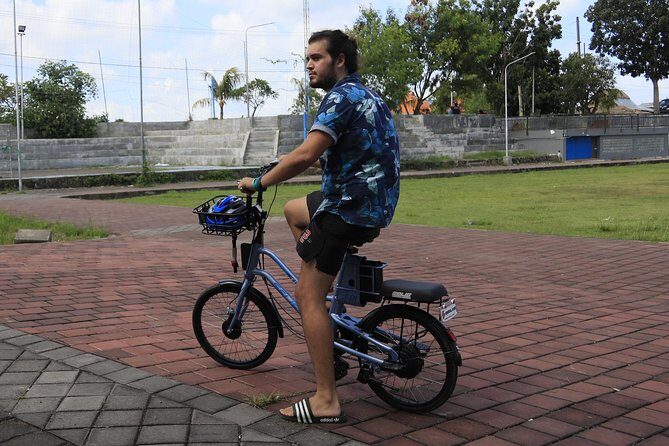
The core structure is simple and very beginner-friendly. You start with the “almost scooter” version: a powered bike that shares the same basic idea as a scooter. That lets you build muscle memory—how to start smoothly, how to balance, how to handle steering—without the extra intimidation of jumping straight onto a full scooter.
Once you manage the basics on the bike, you shift to the scooter itself. This second stage is where the learning sticks, because scooter riding has a few extra habits you need to practice, like controlling your throttle gently and managing slow-speed balance.
During the lesson, your instructor focuses on fundamentals first, before you roll into road behavior. That’s why the best reviews emphasize basics and calm support. People like Marco’s featured feedback specifically highlights how Raffi makes sure you have the foundations before you hit the road. Another review style I kept noticing is patience—teachers taking you through small steps and making sure you understand what you’re doing, not just what to do next.
At the end, the experience wraps back near where you started. So you’re not left wandering or trying to plot an immediate ride on your own. The whole session is about leaving with skills, not just a photo.
One more thing: it’s a private activity for your group. That matters because you’ll get more time on your own practice, and your coach can tailor corrections to your comfort level.
Canggu Practice Ground: Quiet Starts, Then Real Streets
You train in the Canggu area, starting and ending at Jalan Raya Canggu in Tibubeneng (Kuta Utara, Badung). Even if you’re new to scooters, that location setup is practical because it’s in the Seminyak/Canggu zone where scooters are common and roads are easy to understand—once you’re coached.
In the learning process, the road intensity usually ramps up gradually. One highly positive review mentions starting on a quiet road, then moving to a busier road with Raffi at the back, helping keep the rider calm. That approach is exactly what you want for beginners. If your first experience of traffic is right away chaos, you don’t learn—you panic. Gradual pressure helps your brain adapt without burning your confidence.
It’s also helpful that you’re riding while your instructor is actively watching. You don’t just get “good luck.” You get direct correction while you’re still learning. That makes the difference between feeling like you tried scooter rental and feeling like you actually trained.
Learning Bali Street Rules and Avoiding Police Problems
Scooter skill is only half the story in Bali. The other half is street behavior—how locals expect you to move, signal, and react. This lesson doesn’t treat rules like a trivia quiz. It’s practical and tied to what keeps you safe and reduces stress.
You’ll learn local street rules and also get guidance on how to avoid problems with the police. That’s a big deal because even when you’re a careful rider, confusion about local expectations can lead to annoying stops or worse.
I like that the course doesn’t pretend there’s one universal rulebook. In real life, you’ll be riding around people who follow patterns that can feel different from what you’re used to. Having a coach explain the “why” behind local behavior helps you predict what other drivers might do—and react without freezing.
If you’re the type who worries about getting in trouble, this part alone can justify the lesson. You’re not just learning to move a scooter. You’re learning how to blend with traffic in a way that’s less likely to create friction.
Price and Value: Is $52 Really Worth It?
For $52 (with about a 2-hour session), you’re paying for structured practice, not just equipment time. The lesson includes the use of a bicycle, a scooter, and a helmet—so your main costs are covered.
Is that a bargain? It can be, depending on how you travel. The course’s logic is straightforward: if you’re going to use scooters for a month (or longer), paying to learn early saves you money and time later. It reduces the “trial and error” phase where you might pay for multiple transport rides before you feel capable.
Also, the value isn’t only financial. It’s scheduling. When you know how to ride, you stop waiting for other people, taxis, or ride-hailing to line up with your day. Your route becomes your choice.
Now the balance check: breakfast and water aren’t included, and private transportation is also not included. So plan to handle your own small needs and get yourself to the meeting point. But those are easy costs compared to the cost of figuring scooter riding out the hard way.




Included Gear: Why It Matters for Beginners
One reason this lesson feels beginner-appropriate is that you don’t have to supply the basics. You get:
- a practice bicycle
- the scooter
- a helmet
Starting with the bicycle is key. It lowers your risk while you learn control. Then the scooter stage lets you transfer that control to the real thing. That reduces the “I’m learning and worrying about safety at the same time” problem that beginners often face.
Because the helmet is included, you’re also not stuck deciding last minute whether you have suitable protective gear. It’s a small thing, but it removes friction. Less friction means you spend more time learning.
Tips Before You Go (Based on What’s Actually Provided)
Since water and breakfast aren’t included, I’d treat hydration like part of your prep. Even if the session is only around two hours, Bali heat and nerves can combine fast.
The course also requires good weather. So if you’re booking during a rainy period, know that the operator may offer another date or a full refund if the lesson can’t run due to weather. That matters because a scooter lesson in poor conditions isn’t just less fun—it’s harder to learn.
Finally, you should plan on being there in the Seminyak/Canggu area near public transportation. The meeting point is Jalan Raya Canggu, and the activity ends back near the meeting location. So build your day around that area rather than trying to squeeze it between far-off plans.
Who Should Book This Scooter Lesson
This course is best for you if:
- You’re visiting Bali with a longer trip in mind (especially if you’ll move around).
- You want to learn on real roads with coaching, not just watch someone explain scooter basics.
- You’re nervous about traffic and want a structured ramp-up, like starting quieter and moving gradually toward busier roads.
It’s also a good fit if you like patient instruction. Reviews I’ve seen highlight calm teaching styles—Raffi described as friendly and helpful, and Dio praised as calm and patient with clear step-by-step breakdowns.
Who might consider a different plan? If you’re dealing with physical limitations that make balance hard, or if you know you simply don’t want to ride in traffic at all, then scooter learning may not match your comfort level. This is a road-focused lesson, not a closed-course experience.
Should You Book the Kuta Seminyak Scooter Lessons?
Yes, you should book it if your Bali plan includes scooter time and you want to reduce risk and stress from day one. For $52, you’re buying coaching plus the right progression: powered bike basics first, scooter practice second, then local street rules so you understand what you’re doing in traffic.
I’d especially recommend it if you’re worried about getting overwhelmed by Bali roads. The coaching approach—calm instruction, gradual road exposure, and direct feedback—maps to what you actually need for confidence.
If you’re only staying a very short time and you know you’ll never use a scooter, you might not get full value. But if you’ll be out and about for days or weeks, learning early is the smarter play.
FAQ
FAQ
How long is the scooter lesson?
It lasts about 2 hours.
Where does the lesson take place?
It’s in Seminyak, around the Canggu area, with the meeting point on Jalan Raya Canggu (Tibubeneng, Kuta Utara, Badung, Bali). The activity ends back at the meeting point.
What is included in the price?
The lesson includes use of a bicycle, use of a scooter, and a helmet.
Is breakfast or water provided?
No. Breakfast and water are not included.
Do I need private transportation to get there?
Private transportation is not included. The meeting point is described as near public transportation.
Is this lesson private or shared with other groups?
It’s a private tour/activity, so only your group participates.
What if the weather is bad?
The experience requires good weather. If it’s canceled due to poor weather, you’ll be offered another date or a full refund.
When can I book, and what are the hours?
The listed opening hours run daily from 1:00 AM to 11:30 PM. Confirmation is received at the time of booking.