REVIEW · SEMINYAK
Private Full-Day Temple Tour: Bali Archaeology Tours
Book on Viator →Operated by Bali Full Day Tour · Bookable on Viator
Temple-hopping in Bali, without the hassle.
I like the private guide focus and the way the route mixes famous names with less crowded, archaeological-feeling stops. I also like that the day runs in an air-conditioned vehicle, which matters when you are doing a long loop. One caution: not every driver treats the role the same way, and I’ve seen a mixed report about ticket handling and even missing small comforts like water.
This tour strings together five temple stops over about 9 to 10 hours, with hotel pickup and drop-off in Seminyak and much of south Bali. It’s priced around $40 per person, and the big value question is whether you book the option that includes entrance tickets and lunch or the car-only version.
In This Review
- Key things to know before you go
- Why This Temple Circuit Works When Your Day Is Limited
- The Drive Between Stops: Pickup, Traffic, and Comfort in the Air-Conditioned Vehicle
- A small but important consideration
- Kehen Temple: Brahma, Vishnu, Shiva and the Calm of a Less Busy Site
- What to watch for
- Besakih Temple: Bali’s Mother Temple, Built for Big Meaning
- A practical timing tip
- Tirta Empul: The Holy Spring Water Experience and Etiquette Basics
- Outside viewing is usually enough
- Gunung Kawi Sebatu Temple: The Rock-Cut Feel and the Steps to Earn Your View
- Who this stop suits
- Goa Gajah (Elephant Cave): Archaeology, Shadows, and Photo Planning
- A photo-friendly approach
- How Your Guide Can Make or Break the Day
- Lunch and Tickets: The Value Math Behind the $40 Price
- Lunch quality note
- What to Wear and Bring (So Temple Rules Don’t Trip You Up)
- Who This Tour Suits Best (and Who Might Want a Plan B)
- Should You Book This Private Full-Day Temple Tour?
- FAQ
- How long is the temple tour?
- Where does pickup happen?
- Is this tour private?
- Which temples are included?
- Are entrance tickets and lunch included?
- Is there a vegetarian lunch option?
- What should I wear?
- What should I bring?
- What if the weather is poor?
Key things to know before you go

- Private vehicle + private experience means only your group rides together.
- Temple mix: Kehen, Besakih, Tirta Empul, Gunung Kawi Sebatu, and Goa Gajah (Elephant Cave).
- Route planning helps when Bali traffic slows things down, and multiple guides are praised for doing it well.
- Optional inclusions: entrance tickets and lunch are included on the all-inclusive option, not automatically on every booking type.
- Dress and entry rules vary by site, so bring the right clothing and expect mostly outside viewing when access is limited.
Why This Temple Circuit Works When Your Day Is Limited
Bali’s temples can eat your whole day fast, mostly because getting from one side of the island to the other means time in the car. What I like about this private setup is that it treats the day like a plan, not a series of random stops. You get one group, one vehicle, and a guide who can shape the pacing around what you want to see.
This also has a practical rhythm: each site gives you a clear moment to look, walk, and take photos before moving on. The route targets both signature temples and sites that feel more grounded in daily worship and older stonework. And the reviews strongly point to one big win: the driver/guide partnership. People mention drivers like Gusti, Kadek, Nyoman, and Nengah making the day smoother by handling slow traffic and explaining what you are seeing in plain language.
If you're still narrowing it down, here are other tours in Seminyak we've reviewed.



The Drive Between Stops: Pickup, Traffic, and Comfort in the Air-Conditioned Vehicle
You’re not just catching a taxi and hoping. Pickup is offered from Seminyak and a long list of nearby bases, including Ubud and much of south Bali. That matters because most temple routes start to drag when you waste time figuring out rides.
Expect a full-day schedule that runs roughly 9 to 10 hours. It’s long enough that comfort is not a luxury. Here, you get an air-conditioned vehicle, plus an English-speaking driver who doubles as the guide for the day in many cases. Multiple reviews mention guides adapting on the fly, including changing order or pacing when traffic got heavy.
A small but important consideration
One mixed review noted a driver who felt like a driver only, not a guide, plus issues around ticket handling and small extras like water. That doesn’t mean everyone runs the same way, but it’s a good reason to message ahead (or confirm in your booking) what the all-inclusive option covers and how the day will run.
Kehen Temple: Brahma, Vishnu, Shiva and the Calm of a Less Busy Site
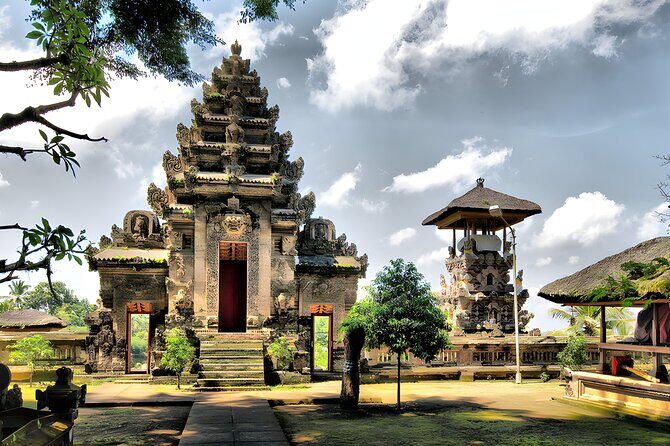
Kehen Temple is the kind of stop that helps your day feel less like a checklist. It’s described as enshrining three gods: Brahma, Vishnu, and Shiva, and that Hindu symbolism shows up in how the temple is laid out and used. It’s also set up in a way that feels connected to the surrounding town history, not just a tourist photo spot.
You should expect about an hour here. That’s enough time to walk around at your own pace, read the mood of the place, and take photos without feeling rushed into the next transfer.
What to watch for
Kehen is a temple, so follow local etiquette: keep your movements respectful, dress appropriately, and stay within areas that are open for visitors. If you like cultural context, this is also a good moment to ask your guide what the gods represent and how visitors typically understand the space.




Besakih Temple: Bali’s Mother Temple, Built for Big Meaning
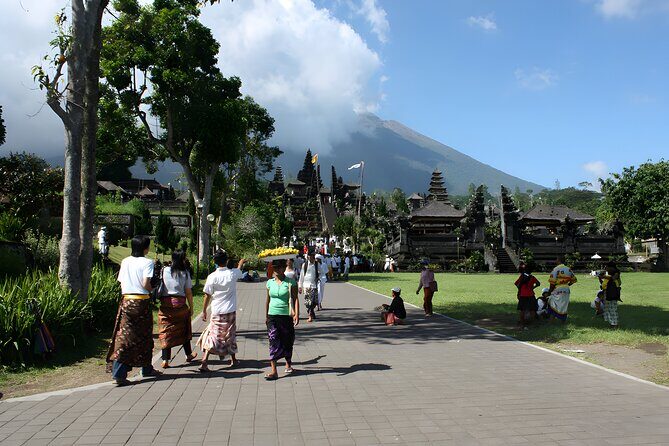
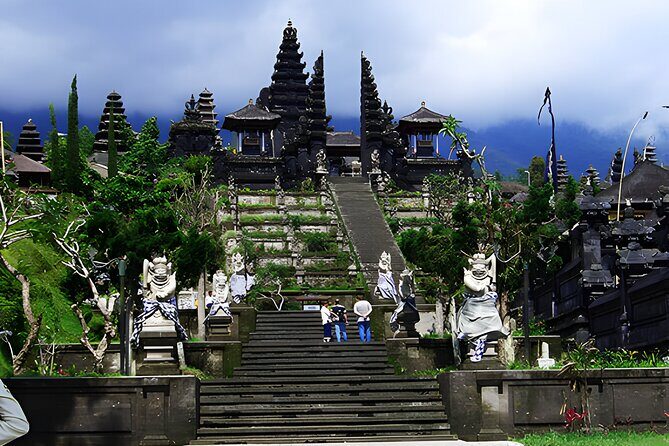
If Kehen gives you a grounded feel, Besakih gives you scale. This is one of Bali’s biggest pilgrimage magnets, and it’s described as Bali’s Mother Temple. It’s also a popular site for tourists, which means it tends to be busier than the earlier stop.
You’ll likely spend around an hour at Besakih. That can feel short if you love architecture, but it works well in a full-day plan because you want to keep energy for the later sites. The value here is more about understanding the central role Besakih plays in Balinese Hindu life and recognizing the design cues that repeat across the island’s temples.
A practical timing tip
In a long temple day, the main danger is getting overwhelmed. I’d treat Besakih like your anchor stop: focus on what makes it important, take your key photos, then move on. Your guide’s routing skill really matters here, because Bali’s traffic can add stress if your timing is off.
Tirta Empul: The Holy Spring Water Experience and Etiquette Basics

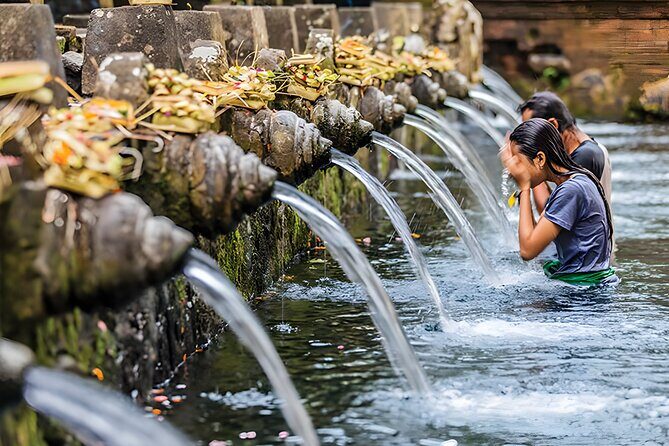
Tirta Empul is one of Bali’s most famous temple complexes, and it’s tied to a holy mountain spring in the village of Manukaya. The draw is both spiritual and visual: sacred water, rituals, and a layout that brings you close to the action.
You’ll have about an hour. This is also a site where etiquette isn’t optional. You may see people participating in bathing rituals. Even if you are not planning to take part, you’ll want to observe with care and follow whatever rules are posted on-site.
Outside viewing is usually enough
One useful heads-up from a real-world temple visit pattern: sometimes access to temple interiors can be restricted, depending on conditions like health rules. Even then, you can usually get a lot of what you need just from outside viewpoints because Bali temples are often open-air structures.
Gunung Kawi Sebatu Temple: The Rock-Cut Feel and the Steps to Earn Your View
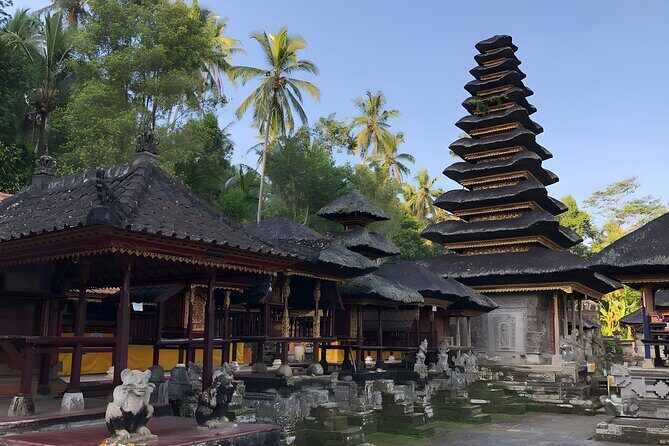
Gunung Kawi Sebatu is the kind of stop that adds variety because it’s not just about one main courtyard. It’s described as a rocky archaeological site where you reach the temples by walking down into the valley via a couple hundred steps. That means this stop rewards you if you are okay with walking and want something more physical than a flat walk.
Expect about an hour here. Also, there are described shops along the way, which can be a distraction if you’re not expecting it. If you want photos without interruptions, plan to slow down and walk with purpose.
Who this stop suits
This one fits best if you like archaeology, stonework, and a little exertion. If you hate stairs or you’re traveling with mobility limits, you might want to ask whether your route can be adjusted, since the steps are part of the experience as described.
Goa Gajah (Elephant Cave): Archaeology, Shadows, and Photo Planning
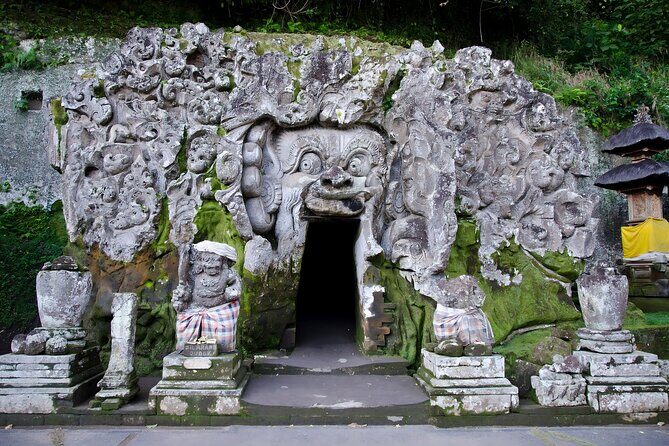
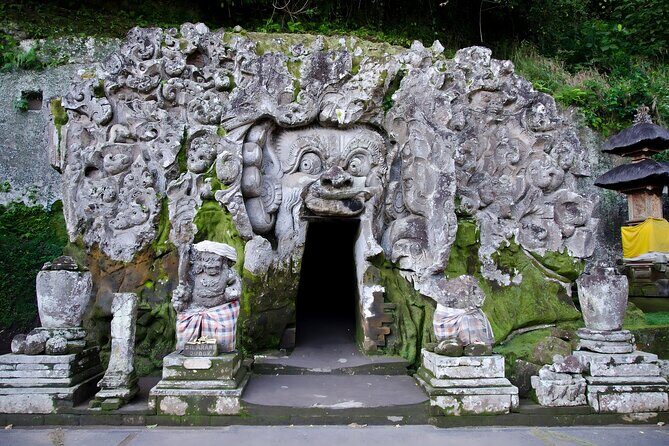
Goa Gajah, also called Elephant Cave, is an archaeological site with significant historical value. The appeal is that it feels older and more mysterious than many temple visits, especially because the setting can create moody light and shadow.
You’ll likely spend about an hour. That should be enough for a slow look around the site, plus photos. If you are photographing, remember that cave lighting and signage can be tricky. Bring your camera plan into the day rather than relying on luck.
A photo-friendly approach
I suggest you take one set of wide shots first, then move in for detail photos. That way you don’t burn time at the entrance while the light shifts.
How Your Guide Can Make or Break the Day
This is a private tour, so your day depends heavily on the person driving and guiding. The most praised aspect across many ratings is exactly that: people mention guides explaining what you’re seeing, dealing with traffic intelligently, and keeping the day moving while still leaving room to enjoy.
Names that stood out in the positive reviews include:
- Kadek for skill and enthusiasm, answering questions with confidence
- Gusti for adjusting to traffic and personal interests
- Agung for sharing cultural insights and guiding through all planned temples
- Yuda for punctuality and friendly guidance
- Hari Budi for acting as a guide and even serving as a photographer, plus a well-liked lunch view
- Nyoman for combining driving with guidance and smooth temple pacing
- Nengah for deep detail and efficient routing around slow traffic
At the same time, there’s one cautionary report: a driver who seemed to know little about the places and handled entry tickets poorly, plus a note that water wasn’t provided even though it was part of what was expected. That’s not enough to throw away the entire concept of the tour, but it is enough to justify being clear about inclusions and asking questions early.
Lunch and Tickets: The Value Math Behind the $40 Price
On paper, $40 per person is a strong price for a private full-day temple tour. But here’s the part you should double-check before you lock it in: there are different ways this can be booked.
You may be offered:
- A car charter only option, which excludes entrance tickets and lunch
- An all-inclusive option, which includes entrance tickets and lunch
That distinction changes the value. If you want convenience, time saved, and less hassle at each gate, the all-inclusive version is usually the better deal. If you’d rather buy tickets yourself and bring your own lunch plan, the car-only option can work, but only if you are comfortable with gate lines and ticket logistics.
Lunch quality note
In one glowing review, lunch is described as very good with an amazing view of rice terraces. Since lunch inclusion depends on the booking type, you want that confirmed. If you book all-inclusive, you’re more likely to get the smoother version of the day where you don’t have to manage meals between stops.
What to Wear and Bring (So Temple Rules Don’t Trip You Up)
The stated dress code is smart casual. That’s a great baseline, but temples have their own entry expectations. One review points out a common rule: for men, you may be expected to wear a sarong, and many guides provide free loaner sarongs. Even then, some temples may not allow access to the inside unless you’re a worshipper, so outside viewing is usually your reliable plan.
Bring:
- Sunscreen
- A camera
If you’re visiting multiple temple sites, also consider practical footwear. Gunung Kawi Sebatu includes stairs, and a full-day schedule with uneven walking surfaces can make comfy shoes feel like the best souvenir.
Who This Tour Suits Best (and Who Might Want a Plan B)
This tour is a good fit if:
- You want private attention and less stress dealing with transport between dispersed temples
- You’re a first-time or mid-trip visitor who wants a structured route across central Bali temple highlights
- You like cultural context and want someone to explain the meaning behind what you see
It’s not the best match if:
- You strongly prefer a guide who reads like a professional historian every minute (guide quality can vary by person)
- You have limited mobility because one stop includes a descent with a couple hundred steps
- You dislike stairs or cave lighting challenges (Elephant Cave and Gunung Kawi can be demanding)
Should You Book This Private Full-Day Temple Tour?
If your goal is to see a full mix of Bali’s temples in one day without wrangling rides, this is easy to recommend. The ratings are very high (4.9 average with 41 reviews) and the most repeated praise is clear: the driver/guide partnership, pacing, and problem-solving when traffic hits.
Before you book, do two smart things:
- Confirm whether you’re booking the all-inclusive option so tickets and lunch are truly covered.
- Ask what kind of guidance you will get at temples, especially if you care about explanations beyond where to stand and where to walk.
If you do those two checks, you’re set up for a day that feels thoughtful rather than rushed, with enough variety to make each stop matter.
FAQ
How long is the temple tour?
It runs about 9 to 10 hours.
Where does pickup happen?
Pickup and drop-off are offered from hotels or villas in Ubud and many south Bali areas, including Seminyak, Sanur, Denpasar, Tanjung Benoa, Nusa Dua, Pecatu, Jimbaran, Tuban, Kuta, Legian, Kerobokan, and Canggu.
Is this tour private?
Yes. It’s a private tour, meaning only your group participates in the vehicle.
Which temples are included?
The tour includes Kehen Temple, Besakih Temple, Tirta Empul Temple, Gunung Kawi Sebatu Temple, and Elephant Cave (Goa Gajah).
Are entrance tickets and lunch included?
It depends on your booking type. The all-inclusive option includes entrance tickets and lunch. The car charter option excludes entrance tickets and lunch.
Is there a vegetarian lunch option?
Yes. A vegetarian option is available if you advise at booking.
What should I wear?
The dress code is smart casual. Also, temple entry can require proper dress such as a sarong, and loaner sarongs may be provided by guides.
What should I bring?
Bring sunscreen and a camera.
What if the weather is poor?
The experience requires good weather. If it’s canceled due to poor weather, you’ll be offered a different date or a full refund.