REVIEW · KUTA
Mount Ijen Crater Trekking Tour from Bali
Book on Viator →Operated by PT.WAHYU MANDIRI TOUR · Bookable on Viator
Seeing blue flames takes stamina.
This overnight Mount Ijen trip is interesting because the real experience starts after dark, when you leave Bali by ferry, sleep-light it in transit, then hike to the crater at predawn. I really like the fact that the tour limits groups to 10 travelers, so the pace feels more human than cattle-call tourism. I also like that you get practical support on the mountain, including a safety briefing and gear like a flashlight and a gas mask. The main drawback to plan for is simply the effort: it is not an easy stroll, and the long journey from Bali makes this a full-on overnight commitment.
To make it work for you, think “early start, tough climb, dramatic payoff.” The timing is tight and the rules at Ijen are strict—so if you’re not comfortable with steep, dusty footing and cold predawn air, this might feel like a bad trade. Still, if you want the kind of place that smells like sulfur and looks like another planet, this tour delivers.
In This Review
- Key Points You’ll Actually Care About
- Overnight Ferry to East Java: The Long Start That Makes the Hike Work
- Pickup, Driver-Guide Style, and the “We’ll Leave Together” Moment
- Trek Prep: Flashlight, Gas Mask, and the Rules You Must Respect
- How the Sulfur Miners Shape the Hike Experience
- Predawn Summit: Chasing the Blue Fire in Real Conditions
- Breakfast at the Mountain and the Crater Photo Viewpoint
- Descent and Return: When Your Legs Start Writing Complaints
- Price and Value at About $153.85: What You’re Really Buying
- Who This Tour Fits Best (And Who Should Skip)
- Packing, Health Docs, and Practical Tips That Save the Day
- A simple pacing suggestion
- Should You Book This Mount Ijen Overnight Trek?
- FAQ
- How long is the Mount Ijen trekking tour from Bali?
- What time does the pickup start in Bali?
- Does the tour include ferry transport from Bali to East Java?
- What meals are included, and is dinner included?
- What trekking gear do you receive for the climb?
- How many people are in the group?
- What is the age requirement?
- What are the main clothing and safety recommendations?
Key Points You’ll Actually Care About
- Small group (max 10) means easier guidance on a difficult trek
- Overnight Bali-to-Java ferry timing lets you reach the summit before sunrise
- Gear included: flashlight and a gas mask, plus a safety briefing before the hike
- Meet sulfur miners up close and see how they carry heavy blocks of sulfur
- Blue fire depends on conditions so you’ll want weather luck on your side
- Strict crater rules: you’re limited to a maximum of 500 meters from the crater
Overnight Ferry to East Java: The Long Start That Makes the Hike Work
This is an overnight format, which is exactly what you want for Mount Ijen. The goal is predawn hiking so you can be at the crater at the right time to see the famous glow—often called blue fire—inside Ijen Crater. You start from South Bali areas like Kuta, Legian, Seminyak, Jimbaran, and Nusa Dua, with pickup in the late afternoon.
Your day begins around 5:00 pm for pickup. Then you’re transferred to Gilimanuk Harbor in West Bali and cross by ferry. The schedule is designed so you arrive in East Java around midnight, which gives you just enough time to get moving toward the trekking start point. It’s a lot of travel hours, yes—but without it, you’d usually miss the predawn window.
If you're still narrowing it down, here are other tours in Kuta we've reviewed.

Pickup, Driver-Guide Style, and the “We’ll Leave Together” Moment
From Bali, you’ll be handled by a driver who also acts as a guide for the Bali-to-Java leg. Practically, that’s useful: you’re less likely to feel like you’re simply being dropped at a port. The reviews I’ve seen paint a picture of courteous drivers and staff who take safety seriously.
One small snag you should mentally prepare for is waiting. Some departure logistics can include holding in a building or house before everyone in your group finishes arriving so you can leave as a set unit. It’s not a deal-breaker, but it can make the start feel less smooth than you’d expect after you’re picked up.
Trek Prep: Flashlight, Gas Mask, and the Rules You Must Respect
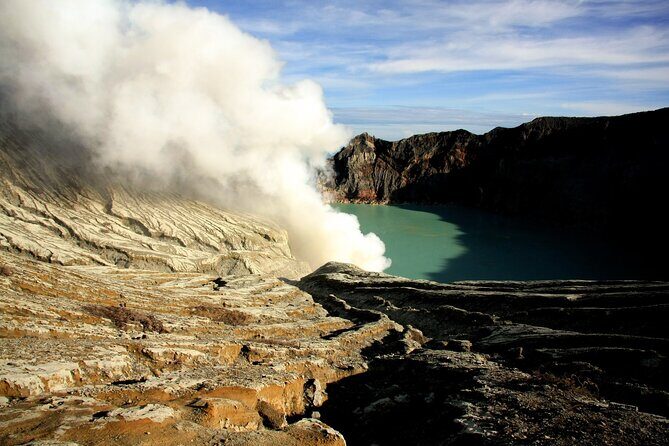
Once you arrive at the trekking start point, you get a safety briefing and equipment. The tour provides a flashlight and a gas mask, which matters because this area is sulfur-heavy and visibility is limited in the dark.
The trek itself is about 3 km (roughly 1 mile) to the summit, and you’ll spend around 1 to 2 hours moving up. Expect a mix of uphill and flatter segments, but don’t let the distance fool you—steep footing in low light is work.
Then there are crater rules, and these aren’t suggestions. Plan on the following being part of how you’re guided:
- sport wear and hiking shoes
- mask, jacket, and gloves
- you should have your own medicine
- you can be maximum 500 meters from the crater only
- no throwing rubbish or seeds
- no throwing cigarettes, and no making fire/fireplace activity
If you’re the type who likes to wander for a better angle, this is where you’ll need to cooperate with the rules. They’re there for safety and to keep the area clean.
How the Sulfur Miners Shape the Hike Experience
The most human part of this trip happens on the way up. You’ll meet sulfur miners who carry heavy blocks of sulfur using bamboo pole baskets across their shoulders. The blocks are enormous—about 60–80 kg—and they move them with traditional methods across the route.
You’ll also see their mining process up close: they use iron rods and, importantly, work with limited safety equipment. That contrast can hit you emotionally. This isn’t just a movie set volcano. It’s a workplace, and your hike goes through an active working landscape.
This is one reason I think the local-guided format is valuable. Without a guide, you might just see silhouettes moving in the dark. With a guide, you understand what you’re looking at and why it’s hard work, not a sightseeing stop.
Predawn Summit: Chasing the Blue Fire in Real Conditions
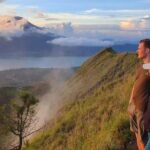
Your summit timing is built around the predawn glow. You’ll arrive before sunrise and get a chance to witness the natural phenomenon. The catch is that it’s weather-dependent. Clouds, mist, or visibility issues can affect what you see. So you should treat it as a “best effort” nature moment, not a guaranteed photo op.
When conditions are right, the experience is the main reason people do this tour: the blue flames inside Ijen are otherworldly. Even if you come for the visuals, you’ll notice how sound and smell change as you get closer—this is a place shaped by acid lake conditions and sulfur emissions.
If you’re worried about comfort, remember: you’re in cold predawn air while your body is working hard. Dress for temperature swings.


Breakfast at the Mountain and the Crater Photo Viewpoint
After the summit moment, you’ll stop for a light breakfast on the mountain. This is a small detail in the schedule, but it’s a big deal for how you feel during the next stage. Without it, many people crash harder during the descent and after.
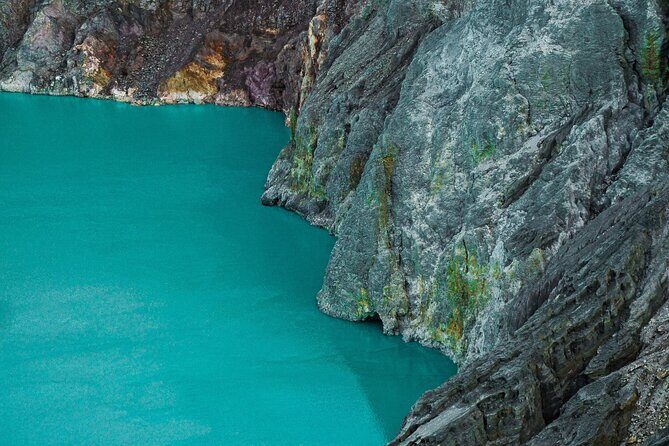
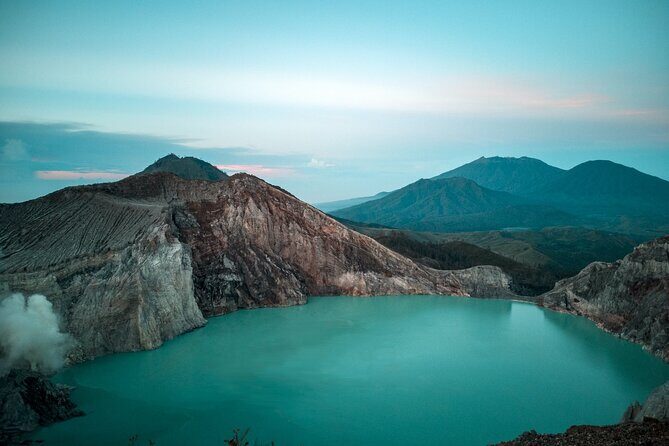
Then you’ll be guided back down for a closer look and photo opportunities from a viewpoint around the crater area. You’ll see Java’s largest acid lake, which helps you understand why the terrain, the mining, and the sulfur activity all connect.
Here’s how to get better photos in a way that doesn’t break the flow: bring your camera, but also plan to put it away quickly when your footing needs attention. The ground can be unforgiving. I’d rather have fewer, steadier shots than drop gear because I got tunnel vision.
Descent and Return: When Your Legs Start Writing Complaints
After the viewpoints, the descent begins. This is where many people feel the trip. Going down can be harder on your knees than you expect, especially if your shoes aren’t already broken in or if you didn’t pace carefully on the climb.
Once you finish the crater area activities, you’re transferred to Banyuwangi Harbor for the late morning ferry back to Bali. After that, you’ll get a restaurant lunch and then be dropped back at your hotel in the afternoon.
Dinner is not included, so think of this as a “breakfast + lunch + trekking” day. On the Bali return side, you’ll likely be hungry later and ready for a real meal.
Price and Value at About $153.85: What You’re Really Buying
At $153.85 per person, this is not a cheap day trip—but it’s also not just buying a walk around a volcano. You’re paying for:
- hotel pickup and drop-off in South Bali
- ferry transport from Bali and back
- a driver-guide for the long overwater route
- a local guide for the critical crater trekking portion
- safety briefing and included trekking equipment (flashlight and gas mask)
- meals: light breakfast and Balinese-style lunch
What you don’t get includes dinner and drinks. Those add-ons matter because this is an overnight schedule with early movement. Still, when you compare the included transport + guiding + equipment, the price feels more realistic than it first appears.
The best “value indicator” for you is group size. With only up to 10 travelers, you get more attention during a tough trek and less waiting around.
Who This Tour Fits Best (And Who Should Skip)
This tour is intense. It’s recommended for people with strong physical fitness. The minimum age is 16, and it’s not recommended for children aged 15 and under.
It’s also explicitly not recommended if you have heart complaints, asthma, or other serious medical conditions. Mount Ijen is extreme, and sulfur exposure plus steep walking can be a bad mix if your body isn’t ready. If you’re unsure, the tour notes that you should consider medical constraints carefully.
You’ll probably enjoy this most if:
- you’re comfortable hiking in the dark and on uneven ground
- you want a guided encounter with miners, not just a view from afar
- you like experiences with strong sense of place and a bit of discomfort for payoff
You might want to skip it if:
- you want a relaxed sightseeing pace
- you dislike early starts and long travel days
- your fitness level isn’t high enough to handle ascent and descent
Packing, Health Docs, and Practical Tips That Save the Day
This is where you can make the experience easier on yourself.
What to wear and bring (based on tour guidance):
- long pants
- sports shoes or hiking shoes
- sweater/jumper (the night and predawn chill can catch you)
- gloves
- hat
- jacket (you’ll want it for temperature swings)
- mask and gas mask are handled by the tour, but you still want to be ready for the rules
- your own medicine
- camera (and secure straps so you’re not fumbling)
Health certificate note: you may be asked to bring a doctor’s health certificate, valid up to 3 days from the Ijen tour. If you don’t have it, the tour says you may be taken to the nearest doctor. That’s not something you want to deal with at the last minute.
Seasonal rule: Mount Ijen is closed on the first Friday of the month for cleaning. If your dates land on that day, you’ll need to adjust.
A simple pacing suggestion
Start the climb like you’re saving battery power. Going fast early can burn you out before the summit. When you get to the predawn moment, you want energy left—not only for photos, but for staying steady on the viewpoint and dealing with cold.
Should You Book This Mount Ijen Overnight Trek?
I’d book it if you’re ready for an overnight adventure that’s more about effort and authenticity than comfort. The combination of a guided trek to the crater before dawn, included safety gear, and the chance to meet sulfur miners makes this feel grounded. It’s also the kind of experience where the small group size helps.
I would hesitate if you’re sensitive to physical strain, have breathing or heart concerns, or you’re coming for a casual volcano photo without the reality of night hiking and steep descent. This isn’t a soft experience.
If you do book, commit to the prep: wear the right clothes, protect your breathing, pace yourself, and respect the crater rules. When everything clicks—dark skies, workable visibility, steady footing—you’ll get a view and a story that sticks.
FAQ
How long is the Mount Ijen trekking tour from Bali?
The total duration is listed at about 23 hours.
What time does the pickup start in Bali?
Pickup is scheduled for around 5:00 pm.
Does the tour include ferry transport from Bali to East Java?
Yes. You travel by ferry from Gilimanuk Harbor in West Bali to East Java, and you return by ferry from Banyuwangi Harbor in the late morning.
What meals are included, and is dinner included?
The tour includes a light breakfast and a lunch (Balinese food). Dinner and drinks are not included.
What trekking gear do you receive for the climb?
You receive a flashlight and a gas mask as part of the equipment and safety setup.
How many people are in the group?
The tour is limited to a maximum of 10 travelers.
What is the age requirement?
The minimum age is 16. It is not recommended for children aged 15 and under.
What are the main clothing and safety recommendations?
Wear long pants, sports shoes or hiking shoes, a sweater (jumper), gloves, and a hat. The tour also emphasizes using the mask, jacket, and gloves, staying within 500 meters of the crater, and following rules like no throwing rubbish or cigarettes and no making fire.