REVIEW · SEMINYAK
Private Half-Day Tour: Denpasar City Trip
Book on Viator →Operated by Bali Sky Tour · Bookable on Viator
Denpasar is a clever detour from the beaches. This private half-day uses door-to-door pickup to show you key capital landmarks, from Bajra Sandhi Monument to Badung Traditional Market. I like the tight mix of temples, museum learning, and real-market browsing, and I like that entrance tickets and an Indonesian set-menu lunch (if you choose it) are built in.
Heat and comfort are the main things to plan for. One practical consideration is that air-conditioning may feel uneven in some cars, especially in the back seat during a hot stretch. English quality can also vary a bit depending on the driver, even when the tour promises English-speaking guidance—so come with a few simple questions ready.
In This Review
- Key Highlights You’ll Actually Feel
- Why Denpasar Works When You’re Short on Time
- Price and Value: $55 for a Private Morning That Isn’t Fluff
- Door-to-Door Pickup: Where It Starts and What to Prepare
- Bajra Sandhi Monument: A Bell-Shaped Landmark With Real Symbolism
- Pura Jagatnatha: The Temple Built in 1953
- Bali Provincial State Museum: Museum Time That Adds Context
- Badung Traditional Market: Where You Shop Like a Local
- Lunch That Fits the Route (Including Vegetarian)
- Driver Experience and Car Comfort: The Stuff That Changes the Day
- Timing, Pacing, and How to Make It Feel Like Your Day
- Who This Private Denpasar Tour Is Best For
- Should You Book? My Take
- FAQ
- How long is the Denpasar City Trip?
- Is this a private tour or shared?
- What does the price include?
- What are the main stops during the tour?
- Does the tour offer vegetarian lunch?
- Where is the pickup and drop-off available?
- What should I wear and bring?
- What happens if weather is poor?
Key Highlights You’ll Actually Feel

- Private, just your group: no other participants in the vehicle.
- Bajra Sandhi Monument’s bell-shape meaning: a design tied to Hindu ritual objects and symbolism.
- Badung Market is local-first: a daily-use market that stays open 24 hours.
- A focused history run: temple + state museum stops that give you context fast.
- Hotel-to-hotel convenience: pickup and drop-off across many south Bali and nearby areas.
- Lunch options (including vegetarian): plan your meal around the route instead of guessing.
Why Denpasar Works When You’re Short on Time
Most Bali trips focus on beaches, temples near the coast, and a couple of “must-sees.” Denpasar is different. It’s the island’s busy capital, where you get out of the resort bubble and into the rhythm of everyday Bali.
What makes this tour work is the balance. You’re not trying to see everything. You’re hitting four stops that map to four different parts of the city: a major monument, a working temple, a museum that frames Bali’s story, and a market where people actually shop for daily needs. If you’re the kind of person who likes getting your bearings fast, this is a smart way to do it.
And because it’s private, you control the pace. You can spend a few extra minutes looking, ask questions as you go, or slow down if the heat builds.
If you're still narrowing it down, here are other tours in Seminyak we've reviewed.

Price and Value: $55 for a Private Morning That Isn’t Fluff
At $55 per person for a private half-day that runs about 6 to 7 hours, the value is in what you don’t have to manage yourself. Entrance tickets are included, plus lunch is included if you select the lunch option. You also get an air-conditioned vehicle, parking, petrol, and tax and services taken care of.
That’s a big deal in Bali, where a self-planned day can turn into a string of small costs: ticket lines, taxi math, parking hassle, and that moment when you realize you’re scrambling for lunch. Here, you’re buying a structured day—without giving up the comfort of a private vehicle.
One more value factor: the pickup and drop-off is direct from a long list of areas in south Bali and nearby. You’re not spending your morning negotiating where to meet or how to get back to your hotel.
Door-to-Door Pickup: Where It Starts and What to Prepare
The tour offers pickup and drop-off from hotels and villas in several areas, including Seminyak, Kuta, Legian, Sanur, Canggu, Nusa Dua, Jimbaran, Tanjung Benoa, Uluwatu, Denpasar, and Ubud.
That matters because Denpasar itself can be a confusing target if you’re coordinating from multiple corners of the island. With this setup, you just get picked up and dropped back where you’re staying.
A few small prep tips based on how the day runs:
- Dress smart casual.
- Bring sunscreen and your camera, since you’ll be outside at least part of the time.
- Plan your expectations: this is a morning-focused city visit, but Bali heat can still hit hard.
Also, the tour notes flexible timing based on your request. If you have a specific time constraint later in the day, you’ll likely be able to adjust within reason.
Bajra Sandhi Monument: A Bell-Shaped Landmark With Real Symbolism
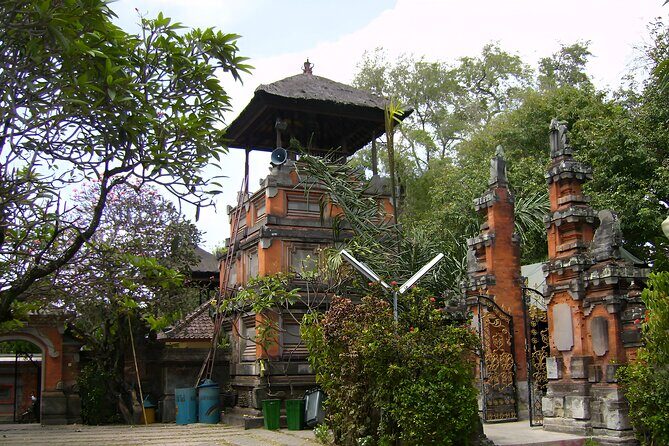
Your day starts at Bajra Sandhi Monument, and it’s a great first stop because the building is designed to be memorable, not just photographed.
The monument’s architecture is described as taking the shape of Bajra or Genta, a bell used during Hindu religious ceremonies. That gives you an instant “why it looks like that” story, which helps you appreciate the structure instead of treating it like a random statue.
There’s also symbolism tied to the bond between males and females, adding another layer beyond the visual design. If you like monuments that have an explanation attached to their form, this one delivers.
How to enjoy it more: take a moment to look for how the shape reflects the idea of a ritual bell. Then, don’t rush the area around it—there’s value in slowing down just enough to let the monument’s meaning sink in.
Entrance tickets are included, so you’re not worrying about adding another stop task to your morning.
Pura Jagatnatha: The Temple Built in 1953
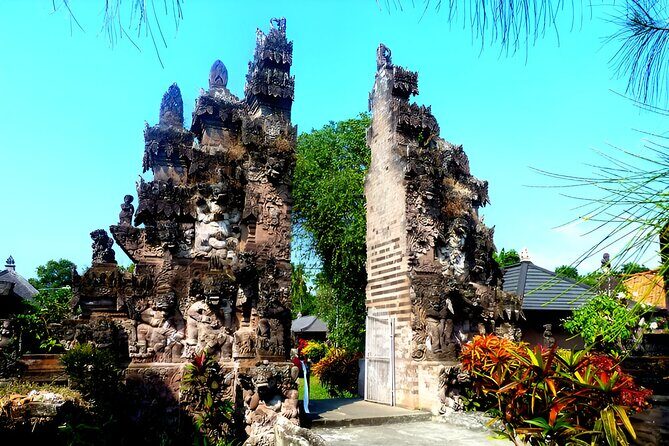
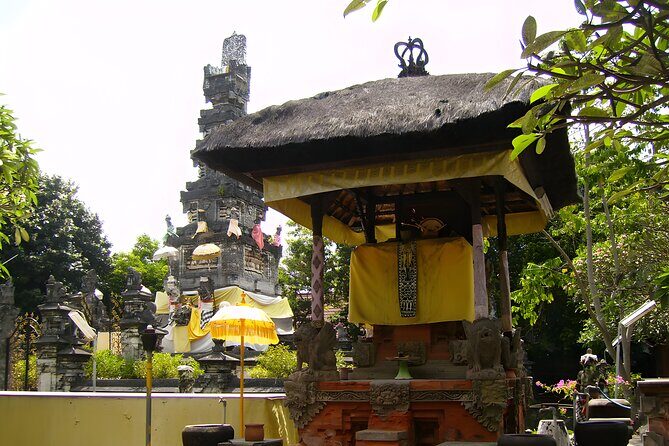
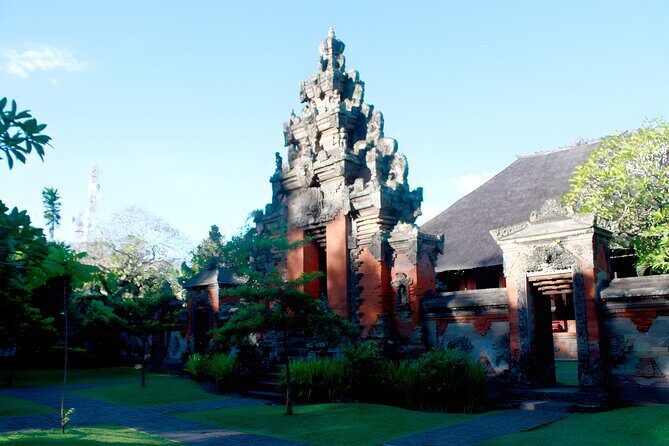
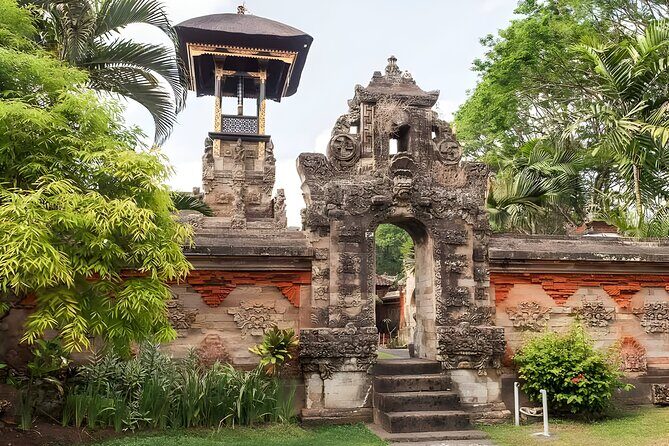
Next you’ll visit Pura Jagatnatha, a temple built in 1953. Temples like this are often more meaningful when you know what they’re dedicated to, and this one comes with a clear focus: it’s dedicated to the supreme god, Sanghyang Widi Wasa.
You’ll also hear the meaning behind its name. Jagatnatha comes from the Sanskrit word jagat, meaning world. That helps you understand why a temple’s name isn’t just branding—it’s usually a clue about what the site is trying to communicate.
Practical note: temples usually demand respect with your behavior and clothing. The tour’s smart casual dress code is a useful starting point, but you should still be ready to follow local guidance on-site.
Entrance tickets are included again here, which keeps the pacing smooth.



Bali Provincial State Museum: Museum Time That Adds Context
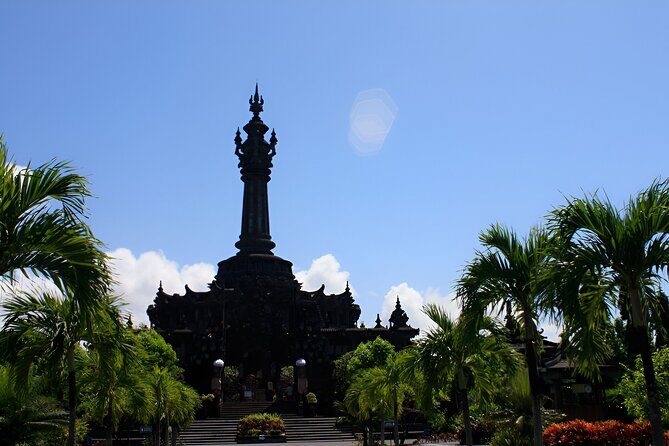
After temples, you shift gears to Bali Provincial State Museum (Negeri Propinsi Bali). If you want to know why Bali looks the way it does—its traditions, influences, and how history gets presented—this stop is the payoff.
Here’s what you’re walking into from a historical timeline perspective:
- The museum opened for public on 8 December 1932, originally named the Bali Museum.
- It was managed by the Bali Museum Foundation.
- On 17 August 1945, management moved to the provincial government.
That timeline matters because it explains why the museum is positioned as a provincial institution rather than a purely private collection. It’s part of how Bali frames its own story.
How long to expect: the stop is structured for about an hour, so you’ll want to pick what you want to focus on: general exhibits versus specific cultural themes. If you’re traveling with limited time, an hour is enough to get context and leave you better at interpreting what you see on future temple and village visits.
Entrance tickets are included.
Badung Traditional Market: Where You Shop Like a Local

Then comes the city energy: Badung Traditional Market. This is Bali’s biggest market, and it’s described as crowded by locals who come for daily needs.
Two details are especially helpful for setting expectations:
- It’s open 24 hours every day.
- It’s both visited by tourists and dominated by people buying what they need for everyday life.
That difference is what you should aim for. If you treat it like a place to browse casually and watch how people shop, you’ll feel the local rhythm. If you treat it like a souvenir warehouse, you’ll probably feel rushed.
What to do in the market:
- Look at what people are buying first, then decide what to sample or buy.
- Take your time reading labels and product sizes.
- If bargaining is part of your style, keep it friendly and quick.
Entrance tickets are included, so you don’t get stuck paying extra just to walk around.
One practical tip: markets involve lots of walking and heat. Wear comfortable shoes if you can, even if the dress code is smart casual.
Lunch That Fits the Route (Including Vegetarian)
After the museum and market, you’ll go for an Indonesian set-menu lunch if you select the lunch option. A set-menu is often a good choice in Bali on a day like this because it prevents the “where should we eat” decision from swallowing your time.
The tour also notes a vegetarian option if you advise at booking. That’s worth doing early, because it reduces the chance of last-minute changes once you’re already out on the route.
How to think about lunch here: treat it as a comfort reset. You’ve done temples, history, and shopping. Lunch is where you recharge so you still have energy for the next leg of your day—or just to head back feeling satisfied instead of drained.
Driver Experience and Car Comfort: The Stuff That Changes the Day
This is a private tour with a professional English-speaking driver as a guide. In practice, driver communication can vary based on experience, even though the intention is consistent.
One driver name that appears in the experience record is Nengah—described as friendly and knowledgeable, with good English and safe driving. That’s exactly what you want when you’re bouncing between religious sites and a market where you’ll want quick answers about what you’re seeing.
At the same time, another practical issue came up: on a hot half-day, some parts of the car can feel warmer and air-conditioning may not cool equally, especially in the back seat. If you can choose where you sit, pick the spot that feels coolest, and don’t underestimate the value of sunscreen.
The car is air-conditioned and the vehicle includes petrol and parking costs, but comfort still depends on the vehicle layout and conditions outside.
Timing, Pacing, and How to Make It Feel Like Your Day
The tour is designed as a morning city route. Even though it’s called half-day, it runs about 6 to 7 hours, which is plenty for four stops plus lunch and travel time.
That long enough window is good news if you don’t want to feel rushed. But it also means your comfort strategy matters:
- Plan for heat.
- Keep your camera ready, especially at the monument and market.
- Ask questions as you go so you’re not just passing through locations.
Because the tour includes flexible timing based on your request, you can sometimes nudge the schedule if you have another activity later (like dinner plans or a beach walk that you still want to make).
Who This Private Denpasar Tour Is Best For
This is a great fit if you:
- Want a structured Denpasar look without the stress of figuring out transport.
- Like a mix of history + religious sites + a real market.
- Prefer private guiding so the pace stays comfortable.
- Are staying in or near Seminyak and want a meaningful day outside the resort routine.
It’s also a good match for first-timers who realize they’ve barely touched Bali’s capital and want to understand the island beyond the coastline.
If you’re only interested in beaches or ultra-touristy landmarks, this may feel more “city practical” than “postcard dreamy.” But if you want to understand Bali as a living place, Denpasar is where that starts.
Should You Book? My Take
I’d book this tour if you want to use a single day to get context. Bajra Sandhi gives you a memorable monument with meaning. Pura Jagatnatha adds the temple side of how the city frames spirituality. The state museum helps you connect those experiences to a timeline. And Badung Market brings you back to daily life instead of staged sightseeing.
The main things to watch are comfort in hot weather and communication consistency with the driver. Bring sunscreen, consider where you sit in the car, and come with a few questions you want answered.
If that sounds like your style of travel, this is a smart, value-forward private city day at a price that stays reasonable for what’s included.
FAQ
How long is the Denpasar City Trip?
The tour duration is about 6 to 7 hours.
Is this a private tour or shared?
It’s private. Only your group participates in the vehicle.
What does the price include?
The price includes air-conditioned vehicle, professional English speaking driver as a tour guide, all entrance tickets, petrol and parking fee, tax and services, and hotel or villa pick up and drop off. Indonesian set-menu lunch is included if you select that option.
What are the main stops during the tour?
You’ll visit Bajra Sandhi Monument, Badung Traditional Market (Badung Market Dempasar Bali), Pura Jagatnatha, and Bali Provincial State Museum (Negeri Propinsi Bali), plus lunch if the lunch option is selected.
Does the tour offer vegetarian lunch?
Yes. A vegetarian option is available if you advise at the time of booking.
Where is the pickup and drop-off available?
Pickup and drop-off are offered from hotel or villa areas including Tanjung Benoa, Legian, Jimbaran, Sanur, Canggu, Nusa Dua, Kuta, Uluwatu, Ubud, Denpasar, and Seminyak.
What should I wear and bring?
Dress code is smart casual. Bring sunscreen and a camera.
What happens if weather is poor?
The experience requires good weather. If it’s canceled due to poor weather, you’ll be offered a different date or a full refund.