Manta rays are the star here. This snorkeling day trip runs on a clear plan: you head from Bali’s Sanur area by fast boat to the Nusa islands, then spend focused time at manta-favorite spots like Manta Bay. It’s built for real viewing, not just a quick stop photo.
I like two things a lot. First, the logistics are handled end-to-end, with pickup in many popular Bali areas and a smooth transfer day built around the harbor schedule. Second, the experience feels guided and supportive—non-swimmers can join because you get safety equipment and instruction, plus the crew and guide (including Nova, who’s been specifically praised) keep the day moving without feeling chaotic.
One thing to weigh: the day can involve waiting and boat time, and the snorkeling time in the water may feel shorter than the full 5–6 hours. Also, shade can be hit-or-miss depending on where you sit on the boat, so choose a comfortable spot when you board.
In This Review
- Key Highlights You’ll Care About
- Why Nusa Lembongan Is the Manta-Ray Sweet Spot (Season Matters)
- From Kuta to Sanur: Pickup, Harbor Timing, and the Fast-Boat Rhythm
- The Main Event: What Happens at Manta Bay
- Nusa Penida Stops: Crystal Bay and Gamat Bay Add Wildlife Texture
- Crystal Bay: lots of pelagic life in a quick window
- Gamat Bay: caves, crevices, and strong-current awareness
- Mangrove Point and the Quick Lembongan Look-Back
- The Whole Day Flow: Ports, Ferry Crossings, and Why It Feels Efficient
- Guides, Non-Swimmers, and the Snorkel Confidence Boost
- Food, Snacks, and Realistic Comfort Tips
- Price and Value: Is $70 a Good Deal for Manta Rays?
- Should You Book This Manta Ray Snorkel Day Trip?
- FAQ
- Where is the meeting point for the snorkeling day trip?
- Is hotel pickup included from Bali?
- How long is the trip from start to finish?
- How much does it cost?
- What are my chances of seeing manta rays?
- Can non-swimmers snorkel on this tour?
- What time of year is best for manta ray snorkeling in this region?
- What should I bring?
- What if weather is bad?
Key Highlights You’ll Care About

- Manta Bay focus: the main snorkeling stop where manta rays are most likely to show up.
- Guides and safety gear: non-swimmers can snorkel with the provided equipment and instruction.
- Nusa Penida bay variety: quick stops at places like Crystal Bay and Gamat Bay add wildlife and scenery.
- Small group size (max 40): you’re less likely to feel lost in a huge crowd.
- Food timing: lunch and snacks before and after snorkeling keep your energy steady.
- Bring-your-own comfort: change of clothes and sunscreen matter more than you’d think on a water day.
Why Nusa Lembongan Is the Manta-Ray Sweet Spot (Season Matters)
.jpg)
If you’re coming to Bali for one big ocean encounter, this trip makes sense because it targets the Nusa islands—especially Nusa Lembongan—for manta rays. The big reason is simple: March through November is considered the best period, when seas are calmer and visibility tends to be better. That matters because manta rays often feed near the surface where snorkelers can realistically see them.
Also, manta rays here are gentle. You’re not dealing with a thrill-ride situation; you’re dealing with wildlife that’s doing its natural thing—swimming and feeding on plankton. That’s why you get a high chance of seeing them at Manta Bay, but sightings are still not guaranteed. If you go expecting 100% certainty, you’ll be disappointed. If you go hoping for an amazing encounter, you’ll enjoy the day no matter what the ocean decides.
If you're still narrowing it down, here are other tours in Kuta we've reviewed.

From Kuta to Sanur: Pickup, Harbor Timing, and the Fast-Boat Rhythm
.jpg)
This trip is marketed as starting from Kuta, but your action begins in Sanur. You meet at the Arthamas Express Fast Boat terminal in Sanur Kaja (Pertokoan Arcade, Jl. Matahari Terbit No. 4, Denpasar). The meeting point is Sanur Harbour at 08:30 AM.
Good news: pickup is available and free in a set group of Bali areas—Kuta, Legian, Seminyak, Petitenget, Jimbaran, Nusa Dua, and Sanur. If you’re outside those zones, there’s an additional charge (IDR 450,000 per car return), paid by cash.
Plan your morning with the mindset that you’re traveling all day, not just snorkeling. The fast-boat ride is part of the experience, and it’s how you reach the best-water locations. On a 5–6 hour schedule, that travel time adds up, which is exactly why the snorkeling window can feel shorter than you hoped.
The Main Event: What Happens at Manta Bay
.jpg)
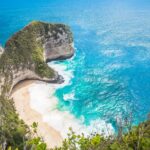
Manta Bay is where the day earns its reputation. It sits on the southeast coast of Nusa Lembongan and is known for clear water and manta ray sightings. The manta rays typically come close to the surface while feeding, so your guide’s job is to get you positioned with the right timing and to help you stay calm and steady in the water.
Here’s how to get the most from your time:
- Stay close to the snorkeling group and follow the guide’s instructions.
- Move slowly once you’re in the water. Fidgeting and sudden kicks can ruin your view as much as it can stir up water.
- Breathe steadily and focus on what’s in front of you, not on chasing a sighting.
This stop is also the clearest example of why the tour is worth the money even when manta rays are variable. You’re not improvising; you’re going to a specific, known location with guides who know how to run the session.
And yes—manta sightings aren’t guaranteed. That’s not a trick. It’s just the reality of wildlife in their natural habitat. Your best defense is simple: show up early, stay with your group, and be ready for a surprise.
Nusa Penida Stops: Crystal Bay and Gamat Bay Add Wildlife Texture
.jpg)
After Lembongan, the day loops into Nusa Penida with a couple of targeted stops. These aren’t meant to feel like a long sightseeing tour. They’re short pauses that stack the day with more chances to see marine life and scenic coastline.
Crystal Bay: lots of pelagic life in a quick window
Crystal Bay is described as a home base for pelagic fish, sharks, stingrays, sunfish, and even turtles. You’re not guaranteed to see all of that on every departure—wildlife is never that predictable—but the bay’s reputation tells you the ocean here is alive.
If you’re someone who likes wildlife variety (not only mantas), this stop helps. It also breaks up the day so it doesn’t feel like one long, monotone swim session.



Gamat Bay: caves, crevices, and strong-current awareness
Gamat Bay is known among divers, and the description comes with important nuance: it can have a strong current. At the same time, it’s described as having calm waters, with small caves and crevices, plus reef fish and invertebrates.
That mix usually means your guide’s instructions will matter a lot. If you’re new to snorkeling, this is a good reminder to listen carefully, don’t try to out-swim the plan, and treat it like guided wildlife watching rather than free roaming.
Mangrove Point and the Quick Lembongan Look-Back
.jpg)
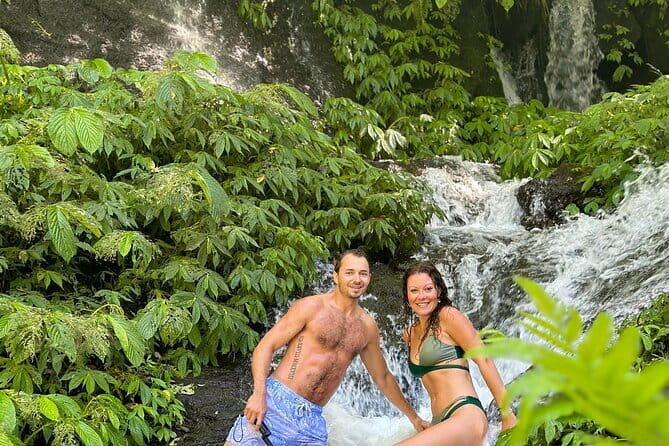
Not every moment on this trip is ocean-focused. One scheduled stop is Mangrove Point at Nusa Lembongan, where you can observe mangrove roots along the route to the mangrove forest. The point of this stop is atmosphere and photos—something different from open water, and a chance to stretch your legs on a boat-heavy day.
One of the tradeoffs of any day trip: these stops can feel brief. If you’re the type who wants non-stop snorkeling, you might wish for more time in the water. If you’re happy with a mix—ocean highlights plus a little land-and-coast breathing room—you’ll probably appreciate the rhythm.
The Whole Day Flow: Ports, Ferry Crossings, and Why It Feels Efficient
.jpg)
Your schedule is built around ports and short transfers that keep you moving between islands:
- You start with a harbor ferry stop at Sanur.
- Then you reach the Lembongan side via the Jungut Batu port area.
- From there, you do the main snorkeling moment at Manta Bay.
- You continue with stops across Nusa Penida areas.
- You circle back through Jungut Batu Beach and ride back to Sanur, where pickup returns you to your hotel.
This is why the tour tends to work for many people—even busy travelers—because the route is handled. You don’t have to figure out ferry times, interpret signage in a different island system, or guess what “worth it” looks like when you’re standing at the dock.
The flip side is that time in motion adds up. A short boat wait is part of the day, and one practical downside that can pop up is that snorkeling time may land closer to a couple of hours on some departures, even when the overall day is longer.
Guides, Non-Swimmers, and the Snorkel Confidence Boost
.jpg)
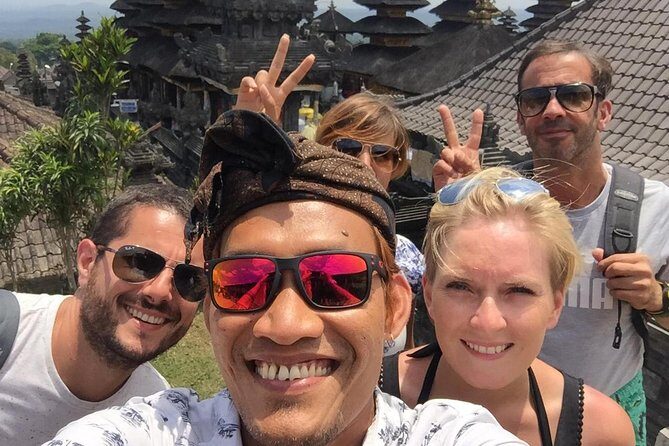
This is one of the best parts of the tour: non-swimmers can snorkel. The operation provides safety equipment, and snorkeling guides act as instructors. That lowers the stress for first-timers because you’re not just handed fins and sent off.
In practice, it also means your experience depends heavily on listening. If you’re nervous, tell your guide. If you’re comfortable, still follow pacing. Either way, you’ll likely enjoy the structured approach because it keeps you with the group at the best viewing moments.
A nice extra: some departures include photos and videos of snorkeling, so you can have a record without trying to juggle a camera while floating. (You can’t assume it on every trip, but it’s been mentioned as part of the experience.)
Food, Snacks, and Realistic Comfort Tips
.jpg)
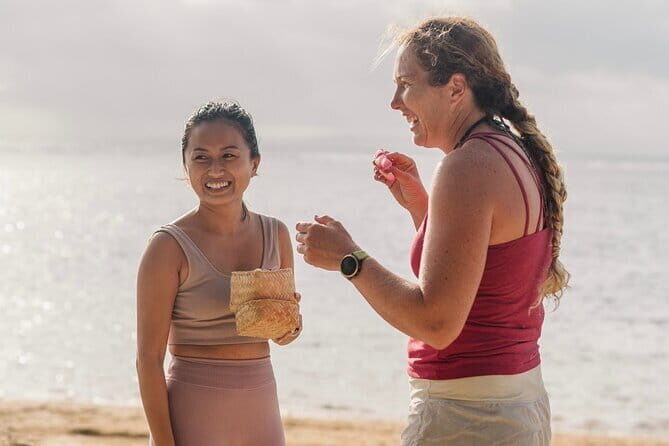
Food and snacks aren’t an afterthought here. Lunch is included, and there are snacks provided before and after snorkeling. That’s smart, because a day that mixes boat travel and time in the water can make you feel surprisingly hungry once you’re back on shore.
Comfort-wise, I’d treat this like a day trip where you might get wet:
- Wear comfortable clothing that you’re fine changing out of afterward.
- Bring a change of clothes, since you’re snorkeling and riding boats.
- Use comfortable footwear for the port walks and short transfers.
- Bring sunscreen and a camera if you want to capture the coast and marine life.
One small but real consideration: seating shade on the boat can vary. If you’ve got heat sensitivity or you just hate baking, try to pick a spot with cover when you board.
Price and Value: Is $70 a Good Deal for Manta Rays?
At $70 per person, you’re paying for more than a ticket to the ocean. You’re paying for:
- fast-boat transport between Bali, Sanur, Lembongan, and back,
- a guided snorkeling session focused on manta ray territory,
- access to known stops (with admission tickets included on multiple legs),
- pickup and drop-off in many areas,
- and food support with lunch and snacks.
Is it cheap? No. But manta rays are not something you can reliably “DIY” from Bali without spending time booking boats, finding the right sites, and hoping conditions line up. This tour is basically buying your time and your risk reduction: you’re going to the places most likely to deliver.
Keep the one reality check in mind: sightings aren’t guaranteed. That’s why value comes from the organization and the guided access to the right waters, not from a promise that mantas will show up for every departure.
Should You Book This Manta Ray Snorkel Day Trip?
Book it if you want a structured day that maximizes your odds at Manta Bay, you don’t want to deal with ferry planning yourself, and you’re okay with wildlife being unpredictable. It’s also a strong option if you’re a first-time snorkeler, since safety equipment and instruction are part of the deal.
Skip it or adjust expectations if you hate long travel days, you’re very sensitive to waiting, or you’re expecting a full day in the water. Remember: the day is 5–6 hours total, and the actual time snorkeling can be shorter than the marketing headline suggests.
If you do book, arrive early, listen closely to your guide, and plan for a boat day—then you’ll be set up for one of Bali’s most memorable ocean encounters.
FAQ
Where is the meeting point for the snorkeling day trip?
You meet at the Arthamas Express Fast Boat terminal in Sanur (Pertokoan Arcade, Jl. Matahari Terbit No. 4, Sanur Kaja, Denpasar). The meeting point in Sanur Harbour is listed as 08:30 AM.
Is hotel pickup included from Bali?
Pickup and drop-off are free in Kuta, Legian, Seminyak, Petitenget, Jimbaran, Nusa Dua, and Sanur. Outside those areas, an additional charge applies (IDR 450,000 per car return) paid by cash.
How long is the trip from start to finish?
It’s approximately 5 to 6 hours.
How much does it cost?
The price is $70.00 per person.
What are my chances of seeing manta rays?
Snorkeling at Manta Bay offers a high chance of encountering manta rays, but sightings are not guaranteed because manta rays are in their natural habitat and presence can vary due to environmental factors.
Can non-swimmers snorkel on this tour?
Most travelers can participate, and non-swimmers can snorkel because the tour provides safety equipment and snorkeling guides as their instructor.
What time of year is best for manta ray snorkeling in this region?
March through November is listed as the optimal time, with calmer seas and superb visibility.
What should I bring?
Bring comfortable clothing, a change of clothes, comfortable footwear, sunscreen, a camera, and cash or a credit card for self-expenses.
What if weather is bad?
This experience requires good weather. If it’s canceled due to poor weather, you’ll be offered a different date or a full refund.