REVIEW · KUTA
An Evening of Bali Traditional Dance
Book on Viator →Operated by Tour East Indonesia · Bookable on Viator
A fire-lit dance night in Bali. This evening show brings you to the Batubulan area for a triple bill of Kecak Dance, Fire Dance, and Sanghyang trance, tied together by story and ritual. I like that it’s not just a loud spectacle; you get context from an English-speaking licensed guide, and names like Darta and Oka pop up in the reviews for making the performances click.
I also like the pacing of seeing three different styles back-to-back: the torch-circle drama, the physical intensity of stepping over coals, and the stranger, more spiritual-feeling trance segment. The one drawback to plan for is timing: traffic and early pickup can turn your day-to-evening schedule into a waiting game, and some routes may include stops that feel more like shopping time than dance time.
In This Review
- Key highlights you’ll actually notice
- Bali traditional dance in Batubulan: what the night is really like
- Kecak Monkey Dance: the torch circle and the Prince Rama story
- Fire Dance: coals, control, and what to expect from the spectacle
- Sanghyang trance: when the show turns more ritual than theater
- Sahadewa and the “one hour” performance: understanding the structure
- Hotel pickup, traffic, and why your evening can feel longer
- Price and value: is $48.72 worth it for this mix?
- Who this tour suits best (and who should be picky)
- Mosquitoes, coals, and comfort: smart things to bring
- Should you book this Bali dance evening?
- FAQ
- What dances are included in the evening?
- How long is the tour and when does it start?
- Is hotel pickup and drop-off included, and where do they pick up?
- Is admission to the show included?
- Is food and drinks included?
- How big is the group?
- Can I cancel for a full refund?
Key highlights you’ll actually notice
- Three dances, one evening run at a rustic amphitheater setting in the Batubulan area
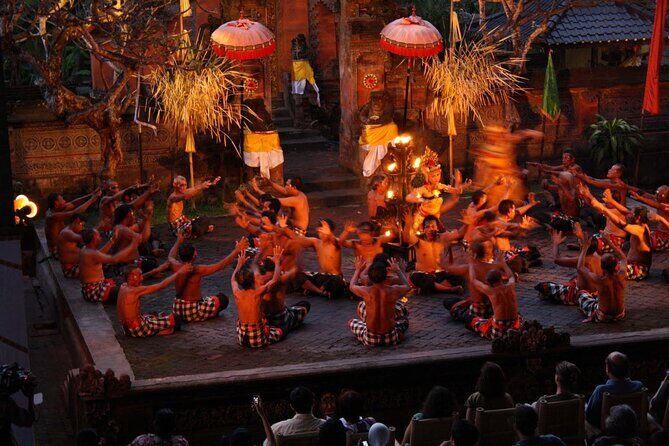
- Kecak with a big torch group (50 men) telling the Prince Rama story
- Fire Dance involves real coals and a high-intensity performance you’ll feel in your gut
- Sanghyang trance has an exorcism origin, so it plays more ritual than stagey
- Hotel pickup included from major areas plus a small group size (max 15)
- Mosquitoes are real once the sun drops, so repellent isn’t optional in practice
Bali traditional dance in Batubulan: what the night is really like
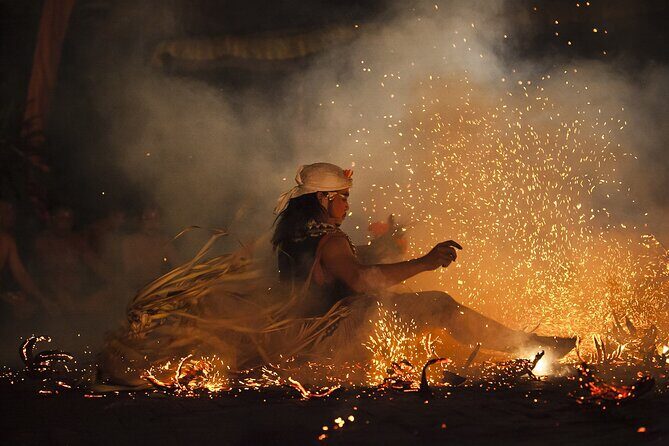
The tour is designed as a simple evening plan: pickup from your hotel, ride to the venue, watch one bundled performance, then return you to Bali before it gets too late. The big draw is the triple sequence: Kecak, Fire Dance, and Sanghyang—three traditions that feel very different from each other, but still part of the same Balinese storytelling world.
A useful thing to know: the show is outdoors (or at least open-air), and the venue atmosphere matters. Expect a rustic amphitheater feel and that dramatic hush before the dancers take over. That’s when this tour works best, because you’re not just watching moves—you’re watching a story unfold in public.
Also, the tour is built around guidance. Even if you only catch parts of the explanation, the difference shows up most during the transitions between the dances. You’ll understand why the Kecak circle is intense, why the Fire Dance is physically risky-looking, and why Sanghyang isn’t trying to entertain in the normal way.
If you're still narrowing it down, here are other tours in Kuta we've reviewed.



Kecak Monkey Dance: the torch circle and the Prince Rama story
The Kecak is the headliner vibe—loud rhythm, dense sound, and a visual centerpiece: about 50 men holding blazing bamboo torches. The story told is the rescue of a kidnapped princess as part of the Prince Rama narrative, and the performers use the chant-like rhythm to drive the drama forward.
What I like about this segment is how it grabs your attention fast. Even if you don’t know the characters beforehand, the group chanting and the torchlight give you enough “language” to follow the emotional arc: tension, urgency, and release.
Practical tip: if mosquitoes are a problem for you at night, plan for it here. Once you settle in and the show starts, you’ll be less likely to want to leave your seat just to find repellent. One review even called out a guide bringing mosquito repellent for the Kecak portion, which tells you this issue is common in real conditions.
Fire Dance: coals, control, and what to expect from the spectacle
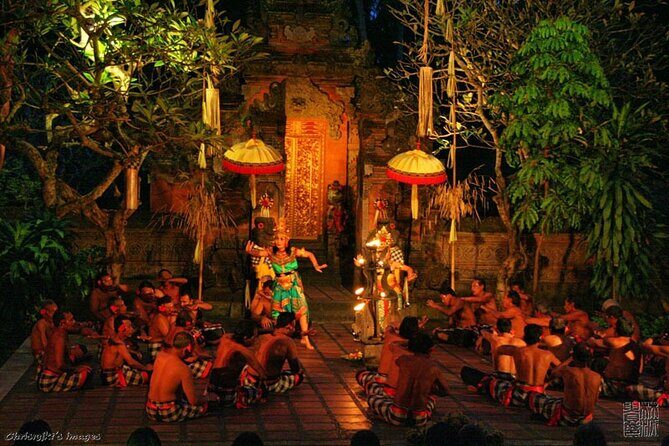
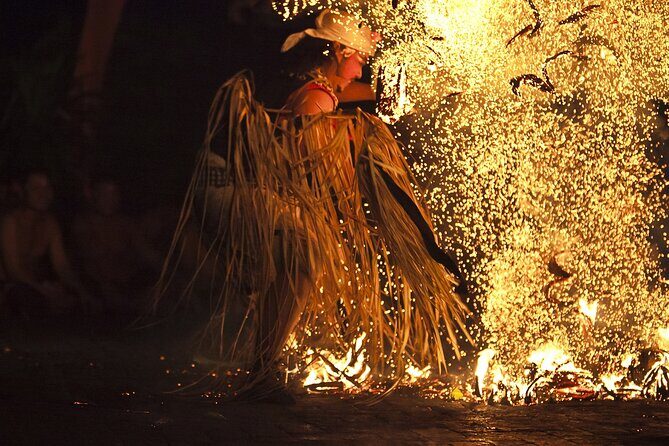
After the Kecak, the energy shifts to something more physical and harder to watch calmly. The Fire Dance on this program centers on performers stepping over smoldering coals. That’s the signature image—dancers seemingly unbothered by heat—plus the quick, intense rhythm that makes the whole thing feel like a test.
A heads-up for your expectations: “fire” on Bali performance nights can mean different things depending on the show and how it’s described. The version here is presented as stepping over smoldering coals, and that’s what you should be mentally prepared for. If you’re expecting constant flames and a longer, more elaborate stunt sequence, you might find the pacing shorter than your ideal. The format is still exciting, just not guaranteed to match every previous fire show you’ve seen.
Safety-wise, you’re seeing trained performers and staged choreography, not random people doing stunts. Still, it’s intense. If you’re squeamish about heat, or you have anxiety watching people in risky-looking situations, sit back, breathe, and remember this is a performance designed to look supernatural.
Sanghyang trance: when the show turns more ritual than theater
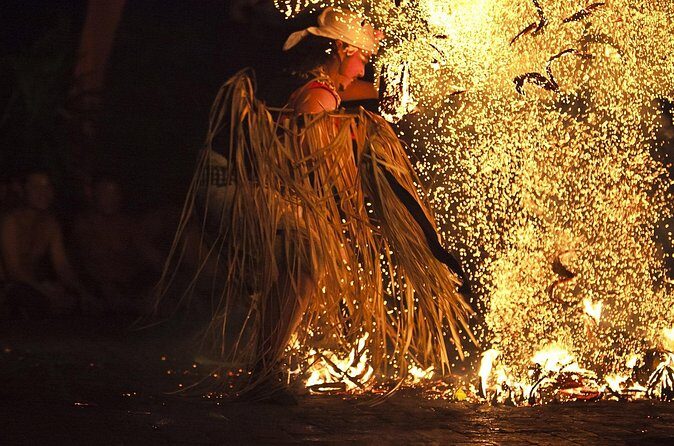
Then comes Sanghyang (Trance), with choreography described as convulsive and rooted in the tradition’s origin as an exorcism-style dance. This segment is typically where guided context matters most. Without any explanation, it can feel like the dancers are doing something completely unrelated to the earlier Rama story. With the guide’s framing, it starts to feel like a different chapter in the same cultural idea: controlling spiritual imbalance through movement.
What I enjoy about Sanghyang is the contrast. Kecak is communal drama with a rhythmic outer shell. Fire Dance is physical spectacle. Sanghyang is more inward and ritual-coded, so the audience experience feels quieter and heavier even if the movement is intense.
If you’re the type who likes culture to make sense, this is the part that delivers. In multiple accounts, guides who explain the story and ceremonies are what turned the whole evening from entertainment into something you remember for the meaning.
Sahadewa and the “one hour” performance: understanding the structure
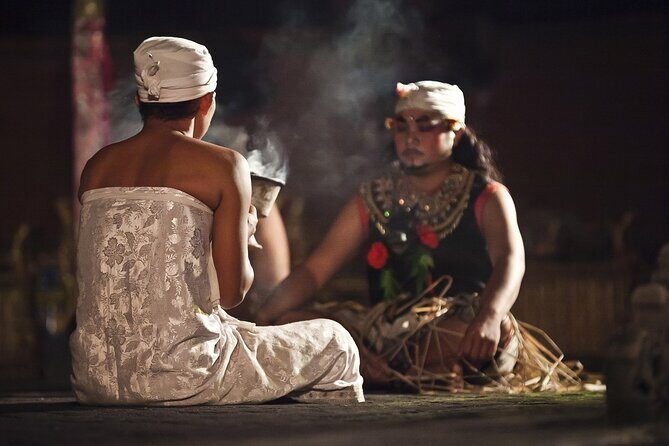
The listing format mentions a one-hour dance performance and also references Sahadewa Barong Dance in the stop description. The practical takeaway is this: you’re buying a packaged evening at one main venue, and you’ll likely see the three core dances within that main performance window.
Because the tour is timed tightly (about 4 hours total, starting at 4:00 pm), your evening won’t be a slow museum-style experience. It’s more like: ride, settle in, watch the triple bill, then head back. That structure can be great if you want a single event that packs a lot into one night.
Just don’t assume you’ll get a long, multi-hour stay at the venue. If your goal is hours and hours of sitting around and taking your time, this tour may feel brisk.





Hotel pickup, traffic, and why your evening can feel longer
This is where the tour can either feel smooth or feel annoying. Pickup starts around 4:00 pm and the overall tour time is listed as about 4 hours. That means you might be leaving early, arriving later than expected, or spending time waiting before the show starts—especially if traffic is heavy.
I’ve learned to judge tours like this by asking one question: does the company protect your time, or do you “absorb delays”? Some routes appear to manage time well, with guides planning around traffic so you arrive with a little breathing room. Other timing complaints mention arriving early and waiting while the venue opens, or being on the vehicle longer than the show itself.
Group size is small—max 15—which helps with logistics. You’re also in an air-conditioned vehicle, and that matters in Bali. But comfort depends on the specific vehicle.
One more reality check: shopping stops. Some people experience extra time at markets or craft areas between pickup and show. That can turn the evening into a less pure “dance night” experience. If you’d rather skip that, consider asking the guide at pickup whether there are any additional stops planned and how long they’ll take.
Price and value: is $48.72 worth it for this mix?
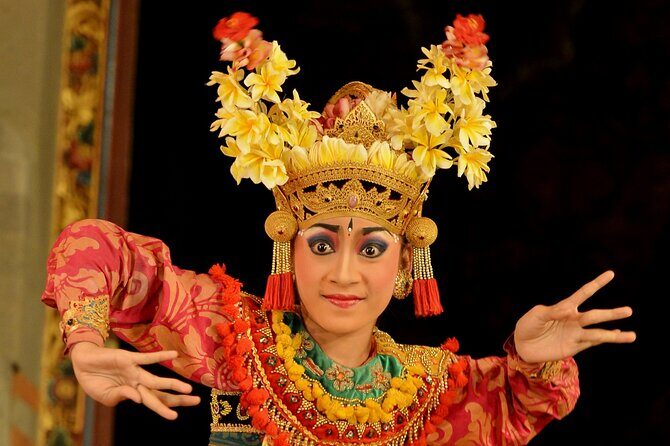
At $48.72 per person, you’re paying for several things bundled together: hotel pickup and drop-off in major Bali areas, transportation, an English-speaking licensed guide, and a ticket included for the one-hour performance.
Here’s the value math you should run in your head. If you’re staying in Kuta, Seminyak, Sanur, Jimbaran, or Nusa Dua, the included transport is the main savings versus hiring a car and driver for the same timing. But if you’re closer to the venue than you think, or you’re comfortable arranging your own transport, you may find it’s possible to pay less for entry and drive separately—especially if you can split costs with a friend or family member.
A theme that comes up: the show itself can feel worth it, while the overall package can feel overpriced if your route includes extra waiting or shopping time. That doesn’t mean the performance isn’t good; it means your personal definition of value is really about time and friction, not the final dollar amount.
Also, food and drinks aren’t included. That matters more than it sounds. If your day runs long, you’ll want snacks or a planned meal before pickup. Otherwise, you’re stuck trying to make do with whatever is available at or near the venue.
Who this tour suits best (and who should be picky)
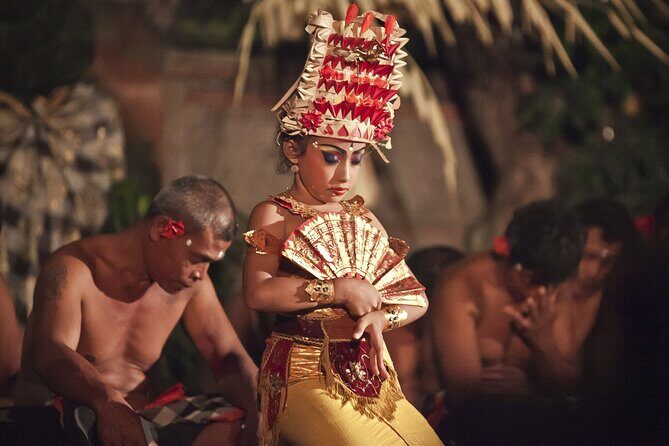
This evening tour fits best if:
- you want a guided intro to Bali traditional dance in one night
- you like when someone explains the story behind what you’re seeing
- you’re okay with a show that’s part performance, part ritual, and not purely “stage entertainment”
It may be less ideal if:
- you hate being taken on side stops (markets, shops, craft areas) or you dislike “schedule padding”
- you’re very sensitive to heat-related performance visuals like stepping over coals
- you strongly prefer longer venue time and free time before or after the show
If you’re a solo traveler who wants an easy plan, the pickup + guide + small group can be a big convenience. If you’re traveling with friends and you’re comfortable managing transport, you can also consider whether you’re paying extra for convenience rather than for content.
Mosquitoes, coals, and comfort: smart things to bring
Because this is an evening outdoor performance, you’ll want to treat it like an outside concert with cultural stakes.
Pack:
- mosquito repellent (you’ll thank yourself later)
- a light layer if you get cold in the evening
- closed-toe shoes for uneven paths and waiting time
- a small snack or drink before pickup (since food isn’t included)
On site, stay flexible. If the guide gives you a quick explanation before each dance, you’ll get more from the show. If not, you may still benefit from reading the program material you’re given at the venue. One practical note from real-world experience: it helps to follow the story with whatever printed cue you have, because the evening can move fast once the action starts.
Should you book this Bali dance evening?
Book it if you want a guided night where Kecak, Fire Dance, and Sanghyang run in one streamlined plan, and you’d enjoy understanding why each dance looks the way it does. This is a strong option for your first Bali dance night—especially if you value the story element and want someone to connect the dots.
Think twice if timing quirks would stress you out. This kind of evening often depends on traffic, and the pickup window can lead to early arrival and waiting. Also, if you’re trying to minimize shopping stops, make your preference clear when you meet the guide.
If you do book, do one thing that makes the whole experience better: arrive ready for an outdoor evening—mosquitoes and comfort included. Then sit back and watch the transitions. When Sanghyang hits, you’ll see why Bali dance can feel like more than entertainment.
FAQ
What dances are included in the evening?
The tour includes three traditional Bali dances: Kecak (Monkey) Dance, Fire Dance, and Sanghyang (Trance) Dance.
How long is the tour and when does it start?
Pickup starts at 4:00 pm, and the tour runs for about 4 hours. The included performance is listed as 1 hour.
Is hotel pickup and drop-off included, and where do they pick up?
Yes. Pickup and drop-off are included from major hotels in Kuta, Seminyak, Sanur, Jimbaran, and Nusa Dua areas.
Is admission to the show included?
Yes. A 1-hour dance performance ticket/admission is included.
Is food and drinks included?
No. Food and drinks aren’t included.
How big is the group?
This tour has a maximum group size of 15 travelers.
Can I cancel for a full refund?
Yes. You can cancel up to 24 hours in advance for a full refund.