REVIEW · KUTA
Bali Mountains and Villages Cycling Tour
Book on Viator →Operated by PT.WAHYU MANDIRI TOUR · Bookable on Viator
Bali by bike is a great way to skip the usual postcard route. This full-day ride takes you from the high hills around Kintamani down through rural villages like Bayung Gede, Taro, and Keliki, with stops built around everyday Balinese life and temple culture.
Two things I really like are the small-group feel and the mix of riding plus village time. You also get included hotel pickup/drop-off and a lunch that’s meant to keep you fueled for the downhill work. One thing to consider: you’ll spend a fair chunk of the day in the car getting to and from the start point, even though it’s a “full-day” tour.
In This Review
- Key Highlights You’ll Actually Notice
- Why This Bali Cycling Route Works So Well
- Getting Picked Up From Kuta (and Why Timing Matters)
- From Bike Fitting to Safety Briefing: Your Morning Setup
- Bayung Gede Kintamani Start: Plantations, Valleys, and Downhill Energy
- Bayung Gede Village Time: Customs You Can See in Daily Life
- Taro Village and Keliki Village: Rural Bali Without the Crowds
- What the Ride Feels Like: Terrain, Temples, and Off-Road Sections
- Lunch in the Middle of the Day: Fuel That Actually Helps
- Small-Group Size: The Hidden Advantage
- Price and Value: Is $60 Actually Fair?
- Who Should Book This (and Who Might Skip It)
- Should You Book This Bali Mountains and Villages Cycling Tour?
- FAQ
- What time does the tour start?
- How long is the tour?
- Is hotel pickup and drop-off included?
- What’s included with the bike rental?
- What’s not included in the price?
- Is the tour suitable for children?
- Do I need to be able to ride a bicycle?
- How big is the group?
- Is there free cancellation?
Key Highlights You’ll Actually Notice
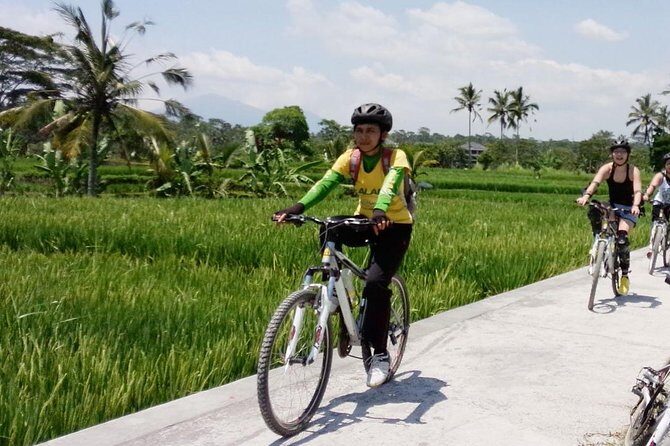
- Mostly downhill, gentle pace: Great if you want scenery without feeling like you’re racing a mountain.
- Real village stops (Bayung Gede, Taro, Keliki): You’re not just speeding past.
- Coffee and cocoa plantations plus rice fields: You’ll see the countryside that grows Bali’s everyday foods.
- Rainforest and temple scenery: The ride route mixes greenery and Hindu sites.
- Tight groups (limited to 15): More time with your guide, less time waiting around.
Why This Bali Cycling Route Works So Well
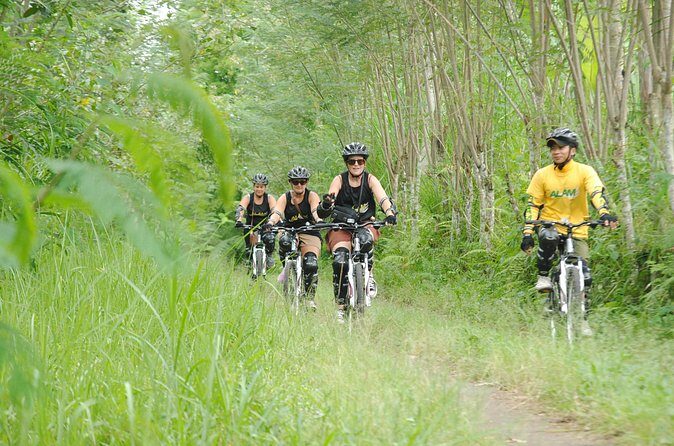
This tour is built around a simple idea: ride the terrain that locals live on, not the roads you already know from beach traffic. Starting in the Kintamani highlands means you get cooler air, more dramatic views, and that classic “downhill momentum” that makes biking feel easier than it sounds.
I also like that the day isn’t only about the bike. The villages of Bayung Gede, Taro, and Keliki are part of the plan, with time to learn about traditional customs and how people structure community life around Hindu beliefs and seasonal rhythms. When a tour mixes movement + context, you remember it longer than just a pretty photo stop.
The included lunch is another quiet win. You’re out for hours in the morning and likely well past lunchtime, so having food covered makes the day feel smoother (and less stressful) than tours where you’re constantly negotiating what you’ll eat next.
If you're still narrowing it down, here are other tours in Kuta we've reviewed.

Getting Picked Up From Kuta (and Why Timing Matters)
You start early, with the pickup window built around a 7:30 am departure. If you’re in Kuta or other southern Bali areas, plan on roughly a 1.5-hour drive to the Bayung Gede Kintamani area. If you’re staying in Ubud, it’s closer to about 45 minutes, which makes the whole experience feel more efficient.
This is the part where expectations matter. The biking day is only part of your total time. One of the main downsides people point out is the long car hours, simply because Bali roads take time. The good news is that pickup tends to be organized, and once you’re underway, the rest of the day flows like a proper plan: bike fitting, briefing, riding, lunch, then the return.
If you’re the type who hates sitting, bring something to pass the ride time (water, a light snack if allowed at your stop, and something to keep you comfortable in the air-conditioned van).
From Bike Fitting to Safety Briefing: Your Morning Setup
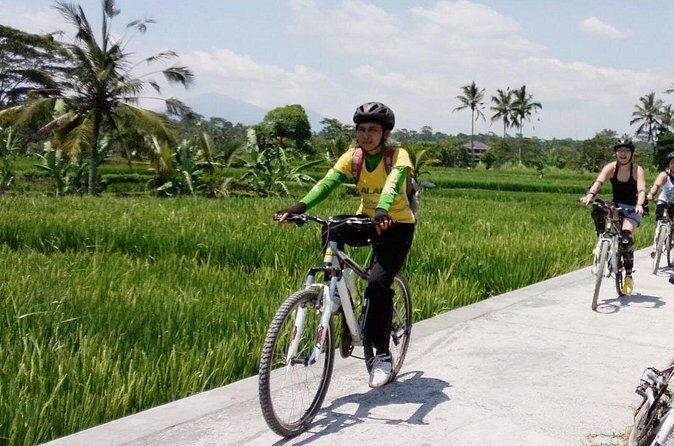
When you arrive at the high hills start point, you’ll get fitted with your bike and helmet. Before you go, your guide gives a short briefing with safety procedures—nothing complicated, but it sets expectations for road surfaces and the riding style you’ll use on the day.
This matters more than people think. A downhill ride can feel effortless until you hit uneven ground or narrow tracks. A quick, clear safety chat helps you avoid the “why didn’t anyone tell me that?” moment later.
You’ll then head out with your guide leading the route. Expect a mix of countryside riding, including off-road tracks and paths that don’t feel like city cycling. That’s part of the charm, but it’s also why the tour asks for moderate physical fitness and basic bicycle comfort.
Bayung Gede Kintamani Start: Plantations, Valleys, and Downhill Energy
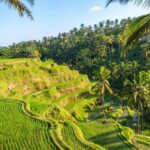
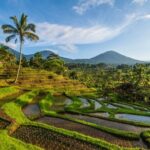
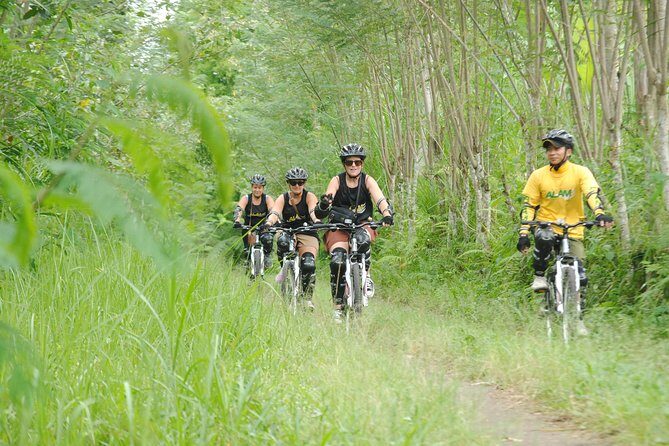
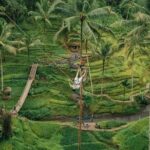
The first big segment is all about getting your legs moving while the scenery ramps up fast. You’ll ride through areas that include coffee and cocoa plantations, green rice fields, river valleys, and pockets of rainforest. This is the kind of route where you look up more than you pedal—because the scenery changes constantly.
There’s also a practical rhythm here:
- You ride with your guide and group.
- You follow the route through different terrain types.
- You stop where it makes sense for village context and photos.
One theme you’ll notice is that the ride is described as mostly downhill and generally gentle. That’s ideal for people who want the thrill of biking without spending the day burning energy on steep climbs. You’ll still need to be alert and ride smart, but the overall effort level is manageable for a lot of people who can handle cycling comfortably.
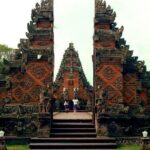
Also, you’ll see Hindu temple scenery along the way. In rural Bali, temples aren’t “attractions” you teleport to—they’re part of how villages function. The bike route makes it easier to experience that without the stop-and-start of car tourism.
Bayung Gede Village Time: Customs You Can See in Daily Life
Bayung Gede Kintamani is where the cultural part starts to feel real. This tour doesn’t frame village time as a performance. Instead, you learn about traditional customs practiced in the village, with your guide explaining what you’re seeing and how it connects to daily routines.
What I like about this approach is that it gives you something to watch for while you bike. You’re not just looking at buildings; you’re thinking about why they’re placed where they are, and how the community uses them across the year.
Even if you’ve visited temples before, village context changes the picture. You’ll likely come away with a better sense of how Balinese life is structured—around religion, community ties, and the agriculture cycles that shape the landscape.




Taro Village and Keliki Village: Rural Bali Without the Crowds
After the first ride segment, the day continues through more rural village time, including Taro and Keliki. In each place, the focus remains on local customs and history tied to how people live and worship.
The value here is simple: you get a bike-and-village day that doesn’t feel rushed in the way many “drive-by” tours do. Because you’re on bicycles, you’re moving at a human pace. That gives you the small moments—how people interact, what fields look like up close, and what temple life looks like when you’re not surrounded by a bus group.
Taro and Keliki also fit nicely with the ride’s overall storyline. The countryside you pass through—rice fields, rainforest edges, and working agricultural areas—connects directly to what your guide points out during village stops. It’s easier to understand Bali when the walking and riding are tied together.
What the Ride Feels Like: Terrain, Temples, and Off-Road Sections
This tour is often described as a mostly downhill day, and that’s a big selling point. Still, don’t assume it’s “easy mode” in every moment. You’ll face mixed terrain, including off-road tracks and paths that aren’t smooth like a paved cycling trail.
Here’s what to plan for:
- You’ll likely ride on uneven ground at times.
- You’ll want to keep a steady, relaxed control over speed.
- You’ll need to pay attention near village areas where foot traffic may appear.
Weather can also change how the day feels. If it’s rainy or humid, trails can be slippery and your comfort depends on having good grip and staying alert. The tour mentions rainforests in the route area, so you’re riding through places that can feel wetter and cooler than you expect.
If you’re choosing between a casual sightseeing day and a real physical activity day, this fits best for people who want a workout-lite option. You get motion, scenery, and a sense of place, without turning the day into a fitness test.
Lunch in the Middle of the Day: Fuel That Actually Helps
Lunch is included, which I consider a major quality-of-life feature. You’ll be cycling and sightseeing through the morning and into the middle of the day, and you don’t want to end up hungry while you’re waiting for the next stop or hunting for food on your own.
The tour highlights lunch as a meal of Balinese specialties. While the exact dishes aren’t specified here, the promise is consistent: it’s local food meant for this region, not a generic tourist menu.
If you’re picky with spice levels or have dietary restrictions, it’s worth checking before you go. The tour data also notes that food and drinks aren’t included unless specified, so if you want extra water or specific beverages beyond what’s served with lunch, you may need to plan accordingly (your guide can usually help with practical recommendations once you’re there).
Small-Group Size: The Hidden Advantage
This is a small-group tour, limited to 15 people, with a maximum traveler limit also listed as up to 40. Either way, the intent is clearly to keep it intimate enough for your guide to manage the group and give you more direct attention.
Why you’ll feel the difference:
- Less time waiting for the slowest person.
- Easier communication when the terrain changes.
- More chances to ask questions about what you’re seeing in Bayung Gede, Taro, and Keliki.
One review highlight was how well organized the day felt, including pickup happening exactly as advised. That kind of execution matters most in the early hours, when delays can knock your whole schedule off balance.
Price and Value: Is $60 Actually Fair?
At $60 per person for around a 6-hour experience, the real question is what you’re paying for beyond the bike ride.
Here’s what’s included:
- Hotel pickup and drop-off (select areas/hotels)
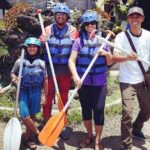
- Bike and helmet
- Lunch
- A cycling guide
You’re also told the tour includes some form of admission ticket support, though specific sites aren’t listed here. Still, the structure is clear: you’re not just renting a bicycle and hoping for the best. You’re buying a guided route, transportation, and a day plan.
The main “cost” you’re paying is time—especially the long car transfers if you’re starting from the southern Bali area. But if you’re okay with that tradeoff, $60 can feel like good value for a guided, cultural biking day that would be hard to replicate on your own without local knowledge.
If you want to maximize value in your day, this tour is especially strong for people staying in the select resort areas that qualify for pickup. If your hotel isn’t in the pickup zone, you’d want to confirm whether you’ll still get the same convenience.
Who Should Book This (and Who Might Skip It)
This tour suits you if:
- You can ride a bicycle confidently and comfortably.
- You’re looking for a mostly downhill rural Bali experience.
- You want a guided cultural day focused on traditional village customs.
- You prefer smaller groups and included basics like lunch and transport.
You might want to skip or be cautious if:
- You dislike long transit time.
- You’re expecting a fully paved, beginner-friendly cycling route start to finish.
- You’re traveling with kids who are close to the minimum age (the tour notes child rate rules when sharing with paying adults and requires children to be accompanied by an adult).
The tour also specifies moderate physical fitness, so it’s not meant for people who want a completely sedentary outing.
Should You Book This Bali Mountains and Villages Cycling Tour?
If your dream Bali day includes rural villages, temple scenery, rice fields, and a real bike route with a guide, I think this is a smart pick. The big strengths—organized pickup, a mostly downhill gentle ride, and the chance to learn about Bayung Gede, Taro, and Keliki—make it feel like more than just transportation from one photo spot to another.
Book it if you’re okay with car time and you want a hands-on way to see inland Bali. Don’t book it if you want a purely relaxed day with minimal driving, or if you’re not comfortable riding a bicycle.
FAQ
What time does the tour start?
The start time is 7:30 am.
How long is the tour?
It runs about 6 hours approximately, including the full day flow from pickup to drop-off.
Is hotel pickup and drop-off included?
Yes. Hotel pickup and drop-off are included by air-conditioned minivan for select hotels/resort areas.
What’s included with the bike rental?
You get a bike and helmet, plus a cycling guide and lunch.
What’s not included in the price?
Food and drinks aren’t included unless specified. Souvenir photos are also available to purchase separately.
Is the tour suitable for children?
Children must be accompanied by an adult. The child rate applies only when sharing with 2 paying adults, and the minimum child age is 10.
Do I need to be able to ride a bicycle?
Yes. The tour requires that you have knowledge to ride a bicycle.
How big is the group?
It’s described as a small-group tour limited to 15 people, with a maximum traveler limit of up to 40.
Is there free cancellation?
Yes. You can cancel for a full refund up to 24 hours before the experience start time.