REVIEW · KUTA
Bali Scuba Diving at Nusa Penida Manta Point For Certified Diver
Book on Viator →Operated by Bali Diving · Bookable on Viator
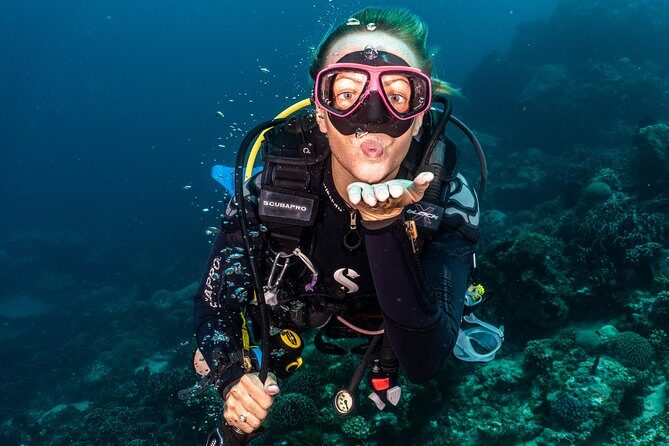
Mantas are worth planning around. This Nusa Penida day is built for certified scuba divers who want more wildlife than a basic snorkel trip, plus a real shot at seeing manta rays at Manta Point. You get three underwater sessions across different sites, with boat time between them and lunch included to keep the day from turning into a cranky slog.
What I really like is the way it handles the practical stuff up front: hotel pickup from select areas and all scuba equipment included, so you’re not chasing gear at the last minute. I also like the small-group feel, capped at 8 travelers, which helps your scuba guide keep an eye on everyone.
One thing to consider: you can’t treat this as a guaranteed manta encounter. The tour notes a 75% probability, and conditions at Nusa Penida can shift fast, which also affects the third stop.
In This Review
- Key highlights worth your attention
- Nusa Penida Manta Point: why this route beats a snorkel day
- Your 8-hour game plan: Manta Point, Crystal Bay, and the third site
- Stop 1: Manta Point (the big target)
- Stop 2: Crystal Bay (more life, and sometimes more current)
- Stop 3: Toyapakeh / SD Point / Mangrove (chosen by conditions)
- Mantas aren’t guaranteed, but your odds are higher with the right requirements
- Boat ride reality: sea-sickness prep and how the day stays organized
- Scuba equipment, insurance, and the extras that make a big difference
- What the guides do well: briefings, pacing, and keeping you comfortable
- Price and value: what $180 buys you (and why it can be worth it)
- Who should book this, and who should pick another plan
- Small planning tips that will save your day
- Should you book Bali’s Nusa Penida manta day?
- FAQ
- What time does the tour start?
- Where is the meeting point?
- Is hotel pickup included?
- What scuba sessions are included?
- Do I need prior certification?
- How many logged dives do I need?
- What’s included in the price?
- What should I bring since it’s not included?
- FAQ
- Question goes here
Key highlights worth your attention
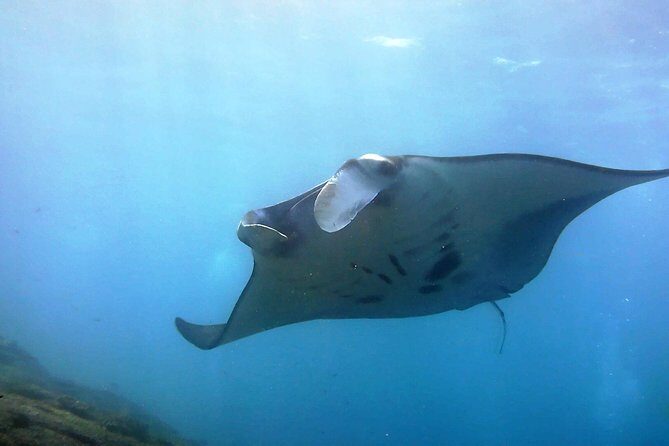
- Manta Point for certified divers with a stated 75% manta probability, not a promise
- Three underwater sessions: Manta Point, Crystal Bay, and a third site chosen by conditions
- All scuba equipment included plus an experienced scuba guide
- Lunch on the boat with mineral water to help you stay fueled and hydrated
- Small group (max 8) for tighter briefings and easier course correction
- 10 logged dives + recent experience required because currents and site conditions can be real
Nusa Penida Manta Point: why this route beats a snorkel day
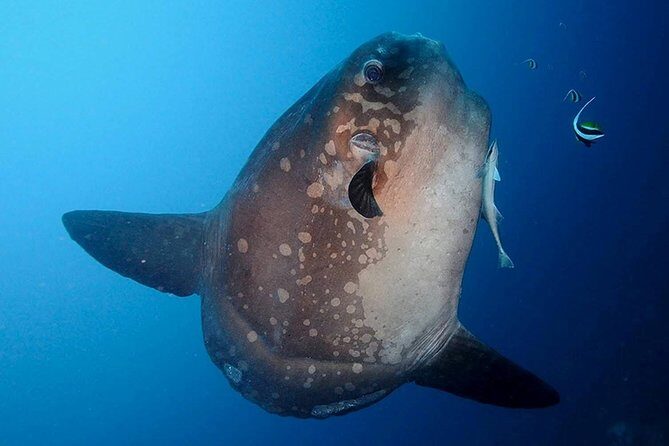
If you’re choosing Bali for marine life, Nusa Penida is one of the reasons divers keep coming back. This itinerary is specifically structured for you to see more than what you’d get from staying near the surface. You’re moving between different sites, each with its own layout, marine mix, and water feel.
Manta Point is the headline. The goal is that classic sight—manta rays gliding through open water—at a site known for regular activity. The operator is honest about the limits: you might not see mantas every time, because nature doesn’t do checklists. Still, the tour gives a realistic expectation (75%), which is better than vague marketing.
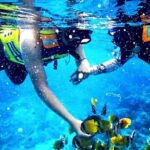
Crystal Bay is the second anchor. Even when manta encounters go quiet, this kind of route still tends to deliver plenty of coral and fish life because you’re not stuck in one spot all day.
A final bonus is how the operator plans for what actually matters underwater: proper preparation for certified divers with recent experience and a minimum logged-dive count. That requirement isn’t just paperwork. It’s a way to match your comfort level to the conditions you’ll face.
If you're still narrowing it down, here are other tours in Kuta we've reviewed.
Your 8-hour game plan: Manta Point, Crystal Bay, and the third site
Start time is 7:00 am, and the day runs about 8 hours from pickup to the return back to the meeting point. You’ll travel by speedboat to Nusa Penida, then do three underwater sessions at different sites. The exact third location can change day to day based on conditions, but you can expect one of these: Toyapakeh, SD Point, or Mangrove.
Stop 1: Manta Point (the big target)
Manta Point is where you aim your morning. The hope is that you’ll spot mantas gliding by as they cruise through their feeding route. Because mantas are animals in their own schedule, you should go in with patience rather than a checklist mindset.
This first session is also a good time to settle in. If you’re a confident diver, you’ll get a chance to start the day smoothly, with the guide helping you manage buoyancy and positioning so you can actually enjoy the view—not just survive the plan.
Practical tip: since it’s the first site, you’ll want to be awake and mentally ready. That early start is not just for sunrise photos—it helps you use the best window for conditions and marine activity.
Stop 2: Crystal Bay (more life, and sometimes more current)
Crystal Bay is the second stop, and it’s where you often see a different side of the island’s marine world. Expect a mix of coral and fish life, and possibly stronger water movement depending on the day.
One of the useful considerations from past participants: current can be more than you’d call gentle. That doesn’t automatically mean it’s unsafe, but it does mean you should be comfortable with drift and maintaining control. If your buoyancy is solid and your breathing is calm, you’ll likely find it manageable.
If you’re the kind of diver who gets tense when things move, this second site is where you want your focus to be sharp. Your guide’s job is to help you stay aware of your air, your position, and the group flow.
Stop 3: Toyapakeh / SD Point / Mangrove (chosen by conditions)
The third site is flexible: Toyapakeh, SD Point, or Mangrove, depending on what the team finds during the day. That’s actually a smart approach for Nusa Penida, where visibility and currents can shift.
This is also where you can benefit from being adaptable. If conditions steer them away from one area, you’ll still get a full third underwater session rather than a half day.
From the overall pattern, this stop tends to be a chance to round out your wildlife list—sometimes including larger marine life beyond mantas, with plenty of coral structure to look at.



Mantas aren’t guaranteed, but your odds are higher with the right requirements
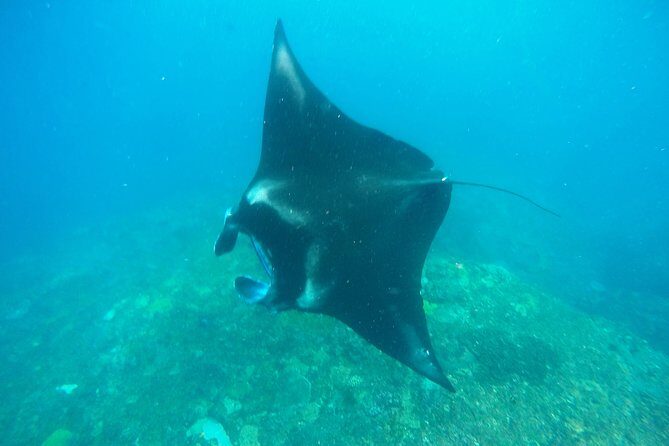
Here’s the honest heart of this trip: mantas can show up or they can slide out of view due to conditions. The operator is clear about this and gives a 75% chance. That means you should treat manta sightings as a strong possibility, not a booking requirement for happiness.
The tour also asks for real recent experience. You need at least 10 logged dives and recent diving within the last 6 months. On top of that, you’ll have to provide evidence of certification and complete a health questionnaire. If you have conditions like asthma or heart issues, you’re advised to consult your doctor, because some pre-existing problems may prevent you from scuba participation.
Why does the tour care so much? Nusa Penida’s sites can involve currents and different underwater layouts. Having recent practice means you can handle buoyancy quickly, stay aware of your surroundings, and follow the guide’s pacing without panicking.
So the best way to set expectations is this: you’re paying for a guided three-site program with smart site choices—not for a guarantee that a manta will cross your path on cue.
Boat ride reality: sea-sickness prep and how the day stays organized
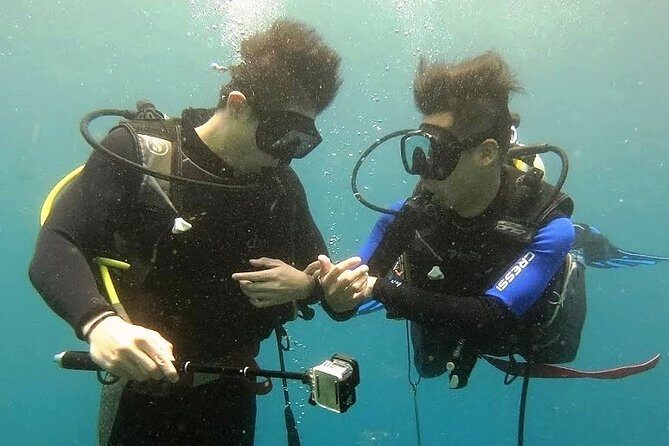
Nusa Penida is reached by speedboat, and that brings the one obvious comfort question: motion. One past participant specifically called out sea sickness risk on the boat ride. If you’re prone to nausea, plan for it. Bring the anti-seasickness meds you know work for you, and keep your eyes on the horizon rather than inside the boat.
The schedule is also structured to keep you from running on empty. You’ll have lunch and mineral water included, and water is provided so you can rehydrate between sessions. It’s a small thing, but it matters after an early start.
Your hotel pickup is offered from select areas, including Kuta, Sanur, Legian, Seminyak, Sanur, and Nusa Dua. The operator doesn’t list every single hotel stop, so you’ll want to confirm your exact pickup details when confirmation comes through.
Small-group size helps here too. With a maximum of 8 travelers, you’re less likely to feel like you’re stuck in a long bus shuffle with strangers at every stop. Your day stays focused on the water.
Scuba equipment, insurance, and the extras that make a big difference
The package includes free use of diving equipment rental, a scuba guide, and diving insurance. It also includes the environmental management charge (reef tax). That’s one of those behind-the-scenes costs that adds up if you’re shopping for it separately, so it’s nice to see it handled inside the price.
Lunch is provided on the boat, along with mineral water. There’s also a note about ice cream or tea or coffee in the operator’s office. If you’re an early riser, this kind of setup helps you get through the morning without feeling like you only packed coffee-flavored optimism.
Food options are practical: a vegan and vegetarian option is available if you advise at booking.
Two items you should bring yourself: a towel and sunscreen. No towel is included, and sunscreen is also not provided. Also pack a change of clothes. That’s especially useful after a boat trip where you might get splashed, and you’ll likely be spending a few hours outside in the sun.
What the guides do well: briefings, pacing, and keeping you comfortable
Good guidance is more than a friendly face. In this program, the guide experience is a major part of why the day works smoothly.
Names that come up: Ketut and Dul. Participants describe them as attentive, with solid briefings and the kind of guidance that helps you feel looked after during the day. That matters because when you’re on a multi-site schedule, you don’t have time to guess. You need clear instructions and good pacing so your air management and positioning stay under control.
Also, you’ll benefit from the drift-awareness that tends to show up at Nusa Penida sites. One person described the sessions as easier on the body because of drift-style conditions, while another mentioned current strength at one of the stops. Translation: the experience can vary, but the guide’s job is to keep you safe and oriented.
So if you’re choosing this tour, go for it with confidence in your skills—but also trust the briefing and don’t “freestyle” your way through the water.
Price and value: what $180 buys you (and why it can be worth it)
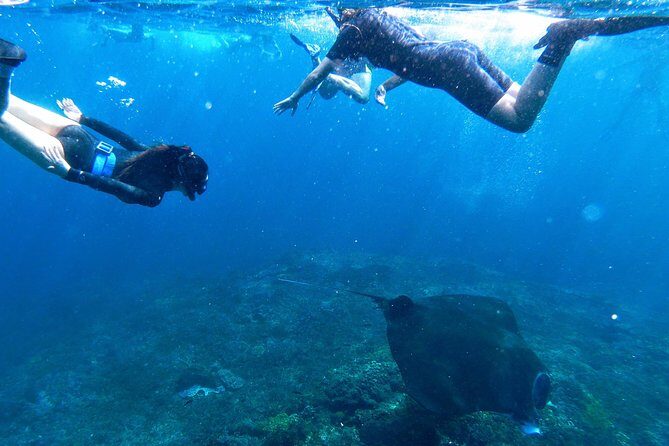
At $180 per person, this isn’t a budget snorkel day. But it is structured for value in the ways that count for scuba.
You’re getting:
- three underwater sessions (not one or two)
- speedboat transport to Nusa Penida
- scuba equipment rental
- hotel pickup and drop-off from select areas
- lunch plus mineral water
- an experienced scuba guide
- diving insurance
- environmental management charge (reef tax)
If you tried to build this yourself, the equipment rental, boat logistics, guide time, and reef tax are the parts that tend to cost more than you expect. Here, they’re bundled.
Also consider opportunity cost: snorkeling versions of Bali trips are often shorter or less focused on large marine encounters. This is built around getting into the water at multiple sites, which naturally increases your chance of seeing different creatures and coral areas.
So the value question comes down to this: do you want a guided, structured three-site scuba day? If yes, the price starts to make sense quickly.
Who should book this, and who should pick another plan
This tour is designed for certified divers with recent experience, not for first-timers. The minimum logged dives requirement and the recent diving rule are your clue. You’ll also need a moderate physical fitness level, be at least 14 years old, and complete a health questionnaire.
It’s a great fit if:
- you want manta-related chances at Manta Point
- you’re comfortable with currents and changing conditions
- you prefer all-in-one organization: pickup, gear, and lunch handled
- you like multi-site days rather than one-and-done experiences
You should think twice if:
- you’re not a comfortable diver right now, or you haven’t logged dives recently
- you know sea conditions make you miserable and you didn’t plan motion sickness help
- you have medical conditions that might affect your ability to scuba safely (especially asthma or heart-related issues)
A note on flying: diving within 24 hours of flying is not recommended.
Small planning tips that will save your day
These are the kinds of details that keep the trip smooth:
- Start early at 7:00 am. It’s not optional if you want the best rhythm.
- Bring a towel and sunscreen, plus a change of clothes for after the boat ride.
- If you get seasick, plan for it before you go out on the water.
- If you want vegan or vegetarian food, request it when you book.
- Keep expectations realistic: mantas have a 75% probability, and conditions decide what you see.
Weather matters too. This experience requires good weather, and if conditions are poor, you’ll be offered a different date or a full refund.
Should you book Bali’s Nusa Penida manta day?
If you’re a certified diver with recent experience, I’d call this one of the stronger “structured scuba day” choices in Bali for manta-focused planning. The route makes sense: Manta Point first, Crystal Bay second, and a third stop selected by real conditions. The small group size and included gear and pickup also mean less hassle and more time staying calm and enjoying the water.
Don’t book if you’re hoping for a guaranteed manta encounter. The operator gives a realistic probability and accepts that the ocean can say no.
Book this if you want a well-run three-site program with competent guidance, a clear schedule, and the best odds of seeing mantas—plus plenty to see even if they don’t show up.
FAQ
What time does the tour start?
The start time is 7:00 am, and the activity typically runs about 8 hours.
Where is the meeting point?
The meeting point listed is Bali Diving, Jl. Bypass Ngurah Rai No.46E, Sanur Kauh, Denpasar Selatan, Kota Denpasar, Bali.
Is hotel pickup included?
Yes. Hotel pickup and drop-off are included from select areas such as Kuta, Sanur, Legian, Seminyak, and Nusa Dua.
What scuba sessions are included?
This program includes three underwater sessions: Manta Point first, Crystal Bay second, and a third session at Toyapakeh, SD Point, or Mangrove depending on the day’s conditions.
Do I need prior certification?
Yes. You must be a certified diver and provide evidence of dive certification. Recent diving experience is also required.
How many logged dives do I need?
You need a minimum of 10 logged dives, with recent diving in the past 6 months.
What’s included in the price?
The price includes hotel pickup/drop-off (select areas), reef tax (environmental management charge), scuba equipment rental, lunch and mineral water, an experienced scuba guide, diving insurance, and speedboat transport for three sessions.
What should I bring since it’s not included?
Bring a towel and sunscreen. It’s also recommended to bring a change of clothes.
FAQ
Question goes here
Answer paragraph