REVIEW · KUTA
Best of Ubud with Jungle Swing Experience
Book on Viator →Operated by Putu Bali Driver · Bookable on Viator
An art-filled Ubud day. This private route strings together Bali craft villages, standout temples, and a nature stop so you get more than one-note sightseeing. I like how the itinerary mixes traditional workshops with big-name Ubud icons, all timed for a full day from your Ubud hotel.
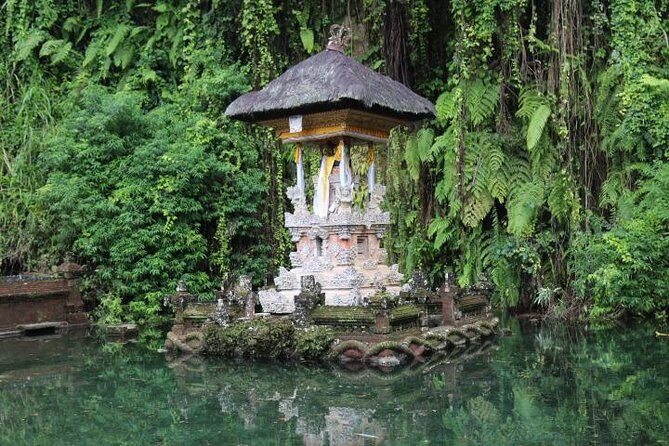
I love the craft focus—Tohpati, Celuk, and Batuan each have their own specialties (batik, gold and silver work, and painting). I also love that the day includes Gunung Kawi Sebatu, the holy spring-water temple with ancient shrines set around clear pools.
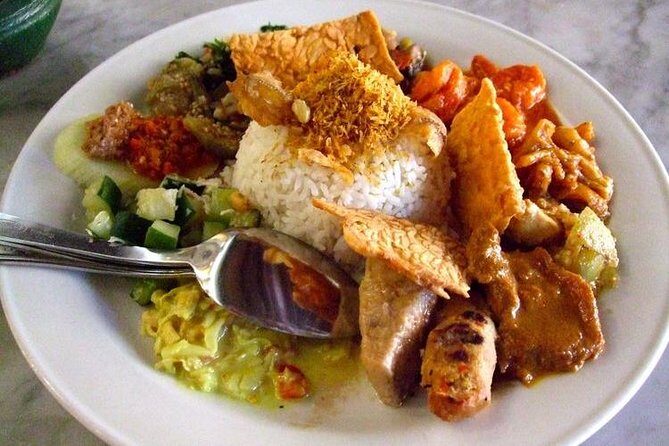
One drawback to plan around: lunch and most meals aren’t included, so you’ll want to budget for food or you’ll end up hungry while trying to enjoy the market and temple stops.
In This Review
- Key highlights to know before you go
- A private Ubud day that starts with real craft villages
- Celuk, Tohpati, and Batuan: the craft stops that make Ubud click
- Puseh Batuan Temple and the Balinese house compound context
- Tegalalang rice terraces and the Bali irrigation lesson
- Gunung Kawi Sebatu: spring-water pools and ancient shrines
- Ubud Palace plus Sacred Monkey Forest Sanctuary time
- The Ubud Traditional Art Market: useful browsing, not just souvenirs
- Price and value for a 6–7 hour private tour
- What to expect from pickup, transport, and timing
- Who this tour suits best (and who should think twice)
- Should you book this Ubud craft-and-temple tour?
- FAQ
- FAQ
- What time does the tour start?
- How long is the tour?
- Is pickup from my hotel included?
- Is this a private tour?
- What places are included in the day?
- What’s the price?
- What’s included in the ticket price?
- Are meals included?
- Is there free cancellation?
- Is the tour suitable for most people?
Key highlights to know before you go
- Tohpati, Celuk, and Batuan crafts in one day: batik, gold/silver work, and painting
- Gunung Kawi Sebatu holy water temple pools with ancient shrines and a peaceful vibe
- Tegalalang rice terraces via Ceking Village plus a look at Bali irrigation
- Ubud Palace and Sacred Monkey Forest Sanctuary for culture plus wildlife viewing
- Private guide attention and air-conditioned transport starting from your Ubud accommodation
- Tickets and parking covered at $55, but plan for lunch on your own
A private Ubud day that starts with real craft villages
This is the kind of Ubud outing that makes the day feel purposeful. Instead of treating the region like a checklist, you’re guided through nearby villages where you can see how local creativity turns into daily work and lasting products.
You’ll start early. Booking shows an 8:00am start time, and the schedule begins with pickup and a first village stop after that. Expect a long-but-manageable day of driving and walking—about 6 to 7 hours total.
The private part matters here. With your own guide and transport, you’re not stuck watching someone else’s pace. And if your interests lean toward art, temple architecture, or how daily Balinese life supports what you see, this itinerary is built for you.
If you're still narrowing it down, here are other tours in Kuta we've reviewed.

Celuk, Tohpati, and Batuan: the craft stops that make Ubud click
The first stretch is all about artisan villages. It’s where Ubud stops being just a scenic place to browse and starts feeling like a living work zone.
Tohpati Village (Batik Art)
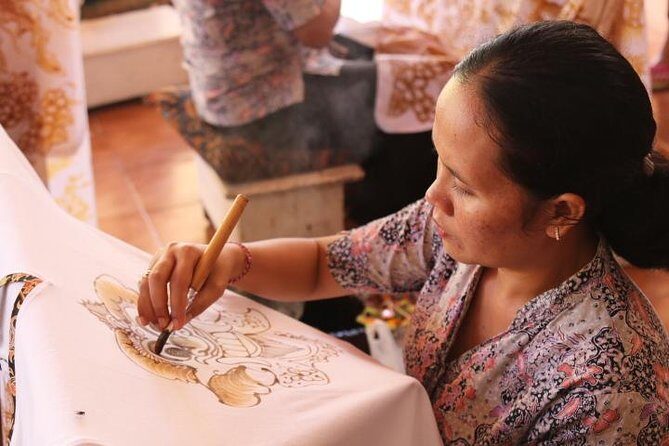
Batik is one of those crafts that looks simple from a distance, but the process is careful and slow. In Tohpati, you’re set up to connect what you see on cloth with the traditional approach behind it. Even if you don’t buy anything, watching the craft mindset in motion is the point.
Celuk Village (Gold and Silver Art)
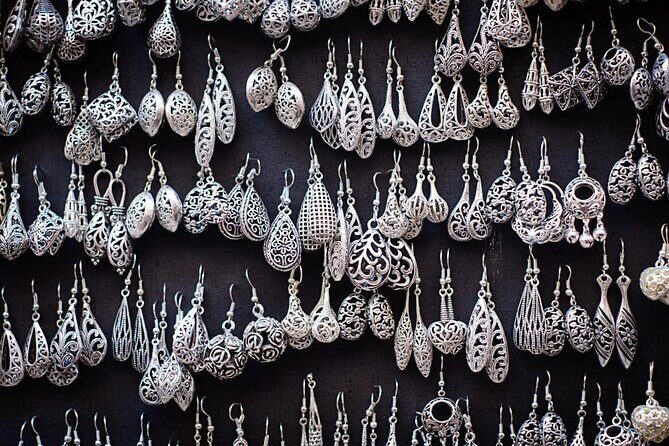
Celuk is known for metalwork. This is a great contrast to batik because you’re switching from textile to jewelry and metal craftsmanship. If you’re the type who notices details in everyday objects, Celuk rewards you—small differences in finished work usually tell you a lot about technique.
Batuan Village (Painting and a traditional house compound visit)
Batuan is paired with a traditional Balinese house compound experience and then a visit to a local temple area. The compound portion is useful because it helps you see the daily rhythms that sit behind what you’re photographing. It’s the kind of context that makes later temple viewing land with more meaning.
A small timing note: these villages each get about an hour. That’s enough time to take in the main sights and ask a few questions, but it’s not a slow museum pace. If you love “take my time” shopping, plan to prioritize the one craft you care about most.
Puseh Batuan Temple and the Balinese house compound context
After the first artisan stops, the day moves into a deeper look at Balinese life through a traditional Balinese house compound and then a temple visit in Batuan.
The house compound element is genuinely helpful. Temples in Bali aren’t just scenic backdrops; they connect to family life, daily worship, and local tradition. When you get a chance to learn about the daily activities of the local community, you’ll notice more when you arrive at the temple structures.
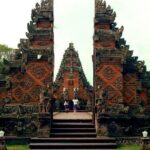
Then there’s the Pura Desa Adat Batuan (listed as the local adat temple). Think of it as an entry point into how community and faith show up in the built environment. You’re likely to see architecture that feels intentional—shapes, placement, and how everything sits within the village setting.
If you’re someone who only wants quick photos, this part might feel slightly less “Instagram-ready” than the rice terraces. But if you want your trip to make sense, it’s one of the better hours.
Tegalalang rice terraces and the Bali irrigation lesson
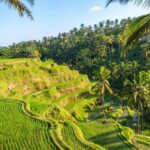
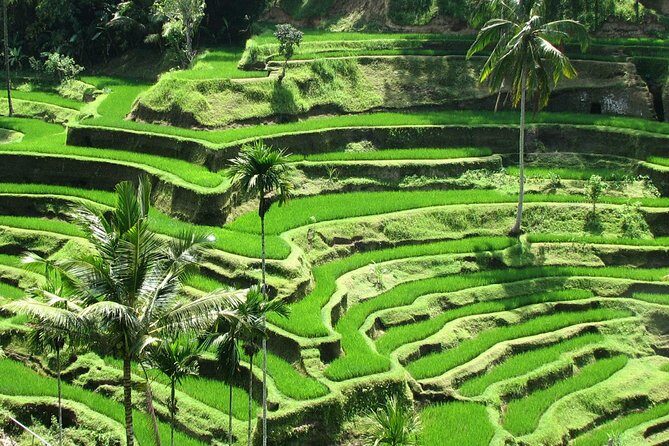
Next you head to the Tegalalang rice terrace area, routed through Ceking Village. This is a classic Ubud stop for good reason: the terraces create a layered pattern that changes with the light.
What I like about the way this stop is framed is that it’s not just view time. You’ll also learn about the Bali irrigation system and how the terrace landscape supports rice farming. That background makes the photos more interesting because you can see the terraces as a working system, not only a scenic hillside.
The stop is listed at about an hour. That’s a comfortable window to walk some paths and pause for a few viewpoints. Still, Ubud-style temple and village days can move fast, so wear shoes with grip and keep your attention on footing.
Gunung Kawi Sebatu: spring-water pools and ancient shrines

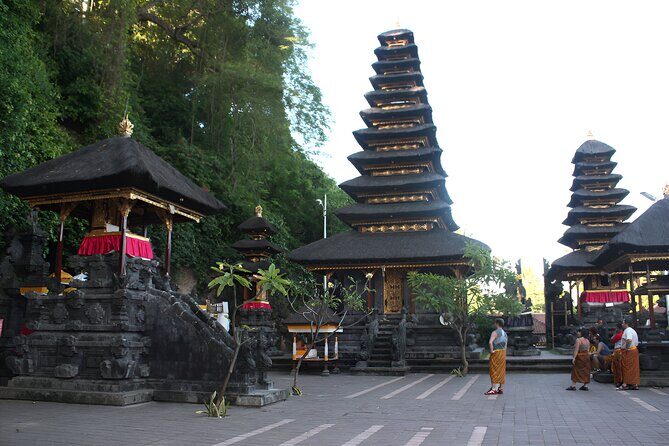
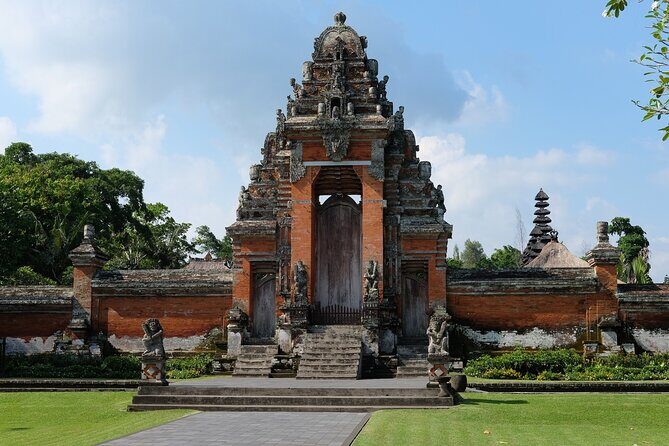
The highlight many people look forward to here is Gunung Kawi Sebatu, a holy Hindu water temple with ancient shrines surrounded by crystal clear pools fed by natural springs (the descriptions are very clear about the water aspect).
This stop tends to slow people down. Even when the day is busy, the sound and visual feel of spring-fed pools changes the mood. You get a different side of Ubud: not just craft and views, but sacred water and calm architecture.
This is also one of the best photo moments—because you’re not photographing only stone or only greenery. You’re photographing a mix: shrines, water, and the way light reflects across the pools.
You’ll likely spend about an hour here. That’s enough time to understand the layout and get some photos, without turning it into an all-day waiting game.



Ubud Palace plus Sacred Monkey Forest Sanctuary time
Your day isn’t only villages and temples. The experience also includes classic Ubud attractions like Ubud Palace and a stop at the Sacred Monkey Forest Sanctuary.
Ubud Palace is the type of place where the buildings help you understand the cultural center of the region. It’s not just a postcard palace—it’s a key landmark that anchors the idea of Ubud as a cultural hub.
Then you switch to the living, playful side of the region: macaques in the Sacred Monkey Forest Sanctuary. Because macaques are wild animals, your experience here can feel lively in a good way. Keep expectations realistic: you’re watching animals, not an organized show.
Practical tip: protect your small items. In any monkey setting, unsecured pockets and dangling bags can turn into chaos fast. Keep phones and valuables secure, and don’t bring food out where you’d have to resist curious hands.
The Ubud Traditional Art Market: useful browsing, not just souvenirs
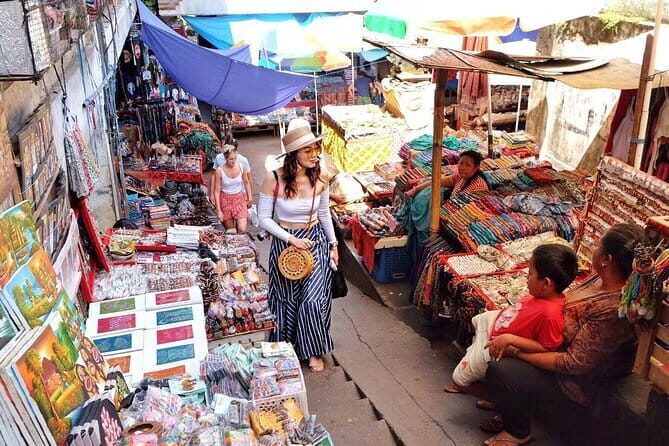
Toward the later part of the day, you visit the Ubud Traditional Art Market, with about two hours allocated.
This is one of the more flexible sections of the itinerary because it’s where you can match your shopping budget to what you actually liked earlier. If you saw batik in Tohpati and liked the look, you’ll be in the right mindset to compare items. If metalwork caught your eye in Celuk, you can check pricing and styles more directly here.
It’s also a smart place to pick up small gifts. The tour description frames it as a chance to buy handy crafts, while still seeing how the traditional market operates in a real, everyday setting.
The only caution: two hours sounds long until you’re walking stall to stall. If you want one “main purchase,” go in with a plan so you don’t lose time bargaining your way into decision fatigue.
Price and value for a 6–7 hour private tour
The price is $55.00 per person. That’s one of the more affordable ways to do a private full-day sightseeing plan in Bali—especially when you’re getting hotel pickup/drop-off, private air-conditioned transport, parking fees, and a driver/guide.
What makes the value feel better is the inclusion list:
- Driver/guide plus private transport in an air-conditioned vehicle
- Parking fees
- Ticket(s) mentioned in the inclusions
- Public Liability Insurance (PLI)
And you get a tour that’s not just random driving. It’s organized around specific stops: art villages, a holy water temple, rice terraces, Ubud Palace, and the monkey forest.
You do need to budget for what’s not included:
- Meals and drinks
- Lunch
- Souvenirs (though you can buy them during the day)
Is $55 a bargain? It can be, depending on your priorities. If you want artisan village context and you like the idea of a guide shaping your route, the price-to-experience ratio looks strong. If you only want one or two major stops and dislike temple and market time, you might feel the day is too “full.”
What to expect from pickup, transport, and timing
This is a private tour, so it’s only your group. A minimum of 2 people per booking is required, which matters if you’re traveling solo and hoping to join without paying extra. The meeting start time is listed as 8:00am, and pickup for the first village segment is scheduled in the morning.
Duration is 6 to 7 hours, so plan your day around it and don’t schedule anything tight right after. Ubud traffic and the time spent entering/standing at popular spots can stretch the clock, even with a good driver.
The transport is in an air-conditioned vehicle, which is a real comfort win in Bali’s heat.
You’ll also have a mobile ticket for the experience, which helps if you prefer to keep everything in your phone.
Who this tour suits best (and who should think twice)
This works best if you:
- Want a private guide and a structured day that doesn’t feel random
- Care about traditional crafts and how villages specialize
- Like mixing temples and culture with one nature/wildlife stop
- Prefer a single day where you can see many places without hunting transport yourself
It may feel less ideal if you:
- Want a long, slow pace with lots of free time to linger
- Hate markets and would rather spend that time elsewhere
- Don’t want to plan for lunch (since meals aren’t included)
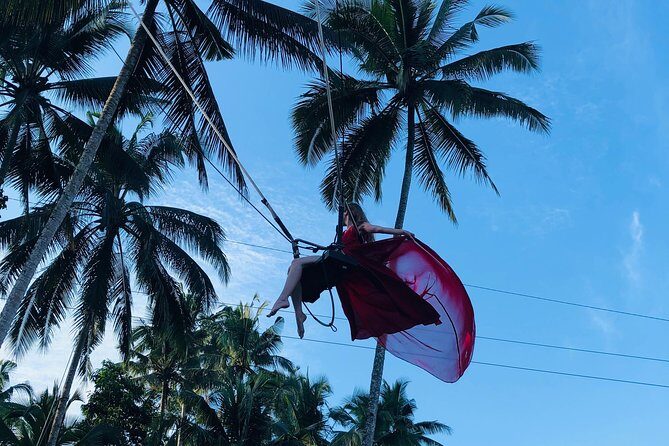
One more check: the experience name you’ll see includes Jungle Swing, but the day described here centers on temples, terraces, palace time, and the monkey forest. If you’re hoping specifically for swing time, you’ll want to confirm how (and whether) it fits into your booked schedule.
Should you book this Ubud craft-and-temple tour?
I’d book it if you want Ubud in a single, well-paced day where craft villages and sacred sites are treated like the main event. The best reason is focus: you’re not driving around randomly. You’re moving through places with a clear theme—art, water temples, farming landscapes, and wildlife.
Skip or reconsider if your ideal Bali day is mostly beaches, slow cafés, or you want lots of unplanned wandering without structured stops. Also think twice if you’re very strict about lunch being included, because you’ll need to handle meals on your own.
FAQ
FAQ
What time does the tour start?
The meeting start time is listed as 8:00am, and the route begins with morning pickup for the first village stop.
How long is the tour?
It’s approximately 6 to 7 hours.
Is pickup from my hotel included?
Yes. Hotel pick up and drop off are included, and pickup is from your Ubud accommodation.
Is this a private tour?
Yes. It’s private, and only your group participates. There’s also a minimum of 2 people per booking.
What places are included in the day?
The day includes art village stops such as Tohpati, Celuk, and Batuan, plus Ubud Palace and Gunung Kawi Sebatu holy water temple, and time at the Sacred Monkey Forest Sanctuary. It also includes stops like Tegalalang rice terraces and the Ubud Traditional Art Market.
What’s the price?
The price is $55.00 per person.
What’s included in the ticket price?
Included items are the driver/guide, hotel pickup and drop-off, private transport in an air-conditioned vehicle, ticket(s), parking fees, and Public Liability Insurance (PLI).
Are meals included?
No. All meals and drinks are not included, and lunch is also not included.
Is there free cancellation?
Yes. Free cancellation is offered, and you can cancel up to 24 hours in advance of the experience for a full refund.
Is the tour suitable for most people?
It says most travelers can participate. The tour is near public transportation.