REVIEW · KUTA
Indonesia: Garuda Wisnu Kencana
Book on Viator →Operated by GlobalTix Pte Ltd · Bookable on Viator
Bigger than it looks on photos. The Garuda Wisnu Kencana Cultural Park turns a single landmark into a whole dayplan, with island views, Hindu-Balinese mythology, and performances built around the Garuda and Wisnu story. I love the scale—120.9 meters tall—and how the statue’s materials and golden crown details make it feel both modern and mythic.
One thing to weigh: GWK can feel overpriced if you’re expecting everything inside to be included, and you may also lose time to waiting or weather.
In This Review
- Key Things to Know Before You Go
- Garuda Wisnu Kencana: Bali’s Giant Myth in Real Space
- First Stop: Entering GWK Cultural Park Grounds
- Walking vs Segway: Choose Your Pace Like a Pro
- The Statue Experience: Materials, Crown, and That Big-Scale Feeling
- Cultural Performances That Drive the Schedule
- Plaza Wisnu and the Budaya Bali Parade Moment
- Lotus Pond: Joged Bumbung at 17:00
- KECAK at 18:00: Garuda Energy to Close the Loop
- Value Check: Why It Can Feel Cheap, Then Not
- Getting Around Inside the Park (And Handling Rain)
- Who Should Book GWK and Who Should Skip It
- Should You Book This GWK Experience?
- FAQ
- How long does the GWK Garuda Wisnu Kencana experience take?
- Is this experience a mobile ticket?
- What time are the cultural performances?
- What is the main landmark at GWK?
- Where is this experience located?
- Do I get the admission ticket included?
- Are children charged?
- Is this ticket refundable if I cancel?
Key Things to Know Before You Go
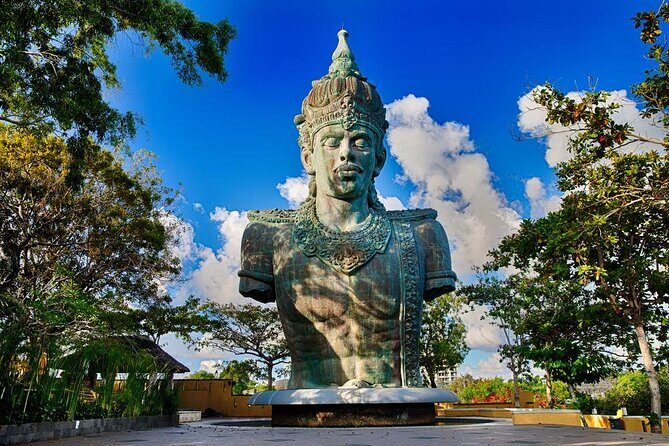
- A giant statue with serious design details: copper, brass, and steel, plus gold mosaic crown work
- Hourly Balinese performances: you can time your visit around dances and ceremonial sets
- You can roam by foot or Segway: choose based on your stamina and the time you have
- Buggy service can matter: the grounds are big, and getting around fast helps
- Plan for rain: thunder showers can interrupt wandering and fine-detail viewing
- Value depends on expectations: entry may be affordable, but some items can cost extra
Garuda Wisnu Kencana: Bali’s Giant Myth in Real Space
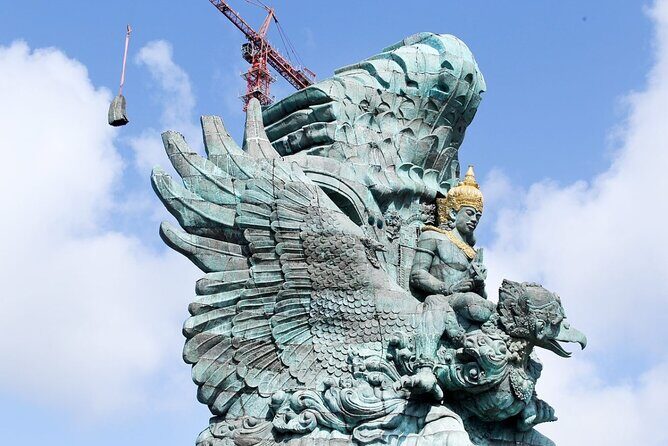
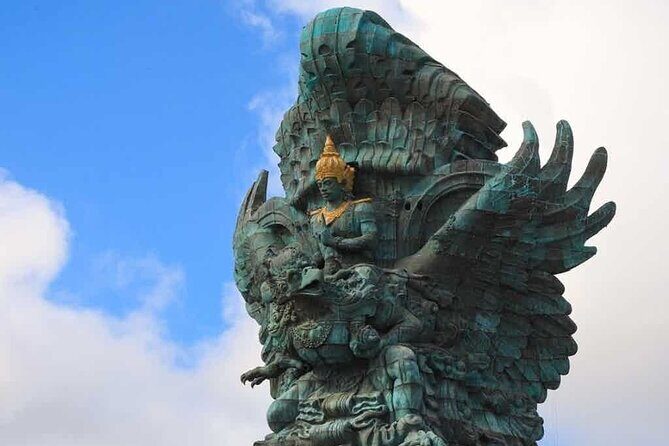
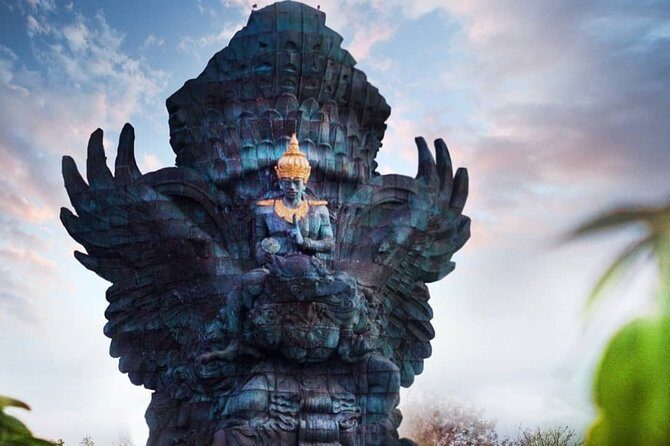
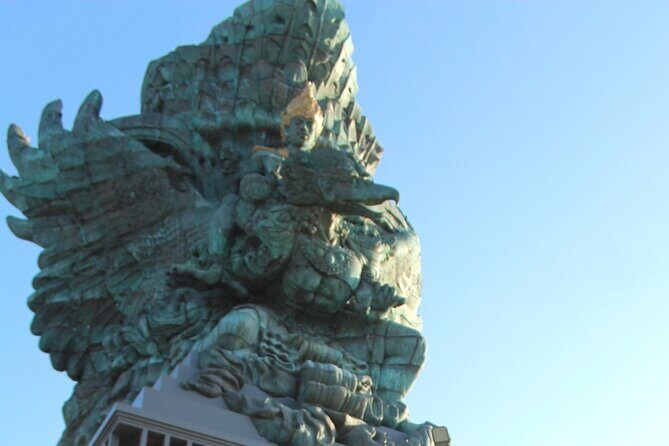
GWK is what happens when Bali turns legend into architecture. The centerpiece is the Garuda Wisnu Kencana statue, built by Balinese artist Nyoman Nuarta, showing Lord Wisnu riding Garuda, the mythical eagle linked to freedom and protection. It’s not just a photo spot. It’s the anchor for the whole park experience—views, stories, and scheduled culture all orbit this one figure.
What makes it feel special is the combination of scale and symbolism. The eagle wings span 64 meters, and the statue reaches 120.9 meters. You’re looking at a monument meant to be seen from a distance, but once you’re there, the materials and the gold mosaic crown give your eyes something to work with beyond silhouettes.
I also like that the park doesn’t pretend you’re only visiting a monument. It’s set up like a cultural flow: you move through different areas, then stop for performances that connect back to Garuda and Balinese storytelling.
If you're still narrowing it down, here are other tours in Kuta we've reviewed.


First Stop: Entering GWK Cultural Park Grounds
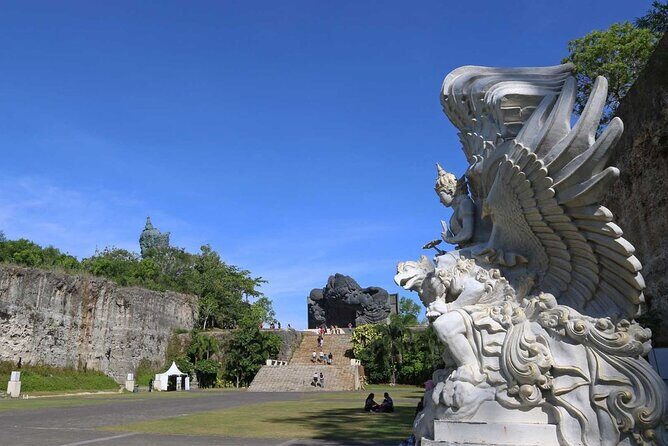
Once you’re in, the park feels intentionally staged. It’s a 60-hectare cultural park, so you’re dealing with space, not just a courtyard. That matters because your experience depends on your pace: linger, take photos, then catch the next performance slot. Or, if you want a quicker circuit, choose transport inside the grounds to save energy.
The good news is that your ticket gets you entry—your admission is included with the experience. That means you can focus on planning your time rather than adding basic access fees on the spot.
If you’re coming from Kuta, it’s a practical ride. One easy approach is Grab from Kuta and you’ll be there in about 30 minutes depending on traffic. GWK is also described as near public transportation, so you’re not stuck with just one option.
Walking vs Segway: Choose Your Pace Like a Pro
GWK gives you two main ways to move through the park: on foot or by Segway. If you like walking and want time to scan details—stairs, temple-like touches, sculpture angles—go on foot and build your schedule around the showtimes. If your day is tight, your feet are tired, or you just want to cover ground quickly, Segway can help you get more done in a 2 to 3 hour window.
Here’s the practical twist: even with Segway, the park covers a lot of space. You may find yourself waiting between performance sets. That waiting can be fine if you treat it like a photo break and myth break. But if your timing is tight, you’ll want to plan which performance you really care about.
Also, remember the park sits under Bali’s weather patterns. If a thunder shower shows up, walking gets less pleasant fast. Having a ride option or a quicker route plan makes a difference.
The Statue Experience: Materials, Crown, and That Big-Scale Feeling
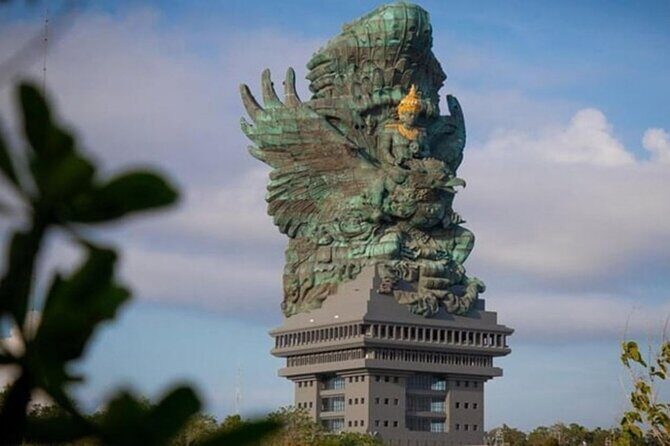
The Garuda Wisnu Kencana statue isn’t a single flat sightline. It’s built with layered visuals. The structure uses copper, brass, and steel, and the crown is decorated with gold mosaic work designed to catch light as you move.
At 120.9 meters, it’s taller than you expect from photos. That’s the point: your brain keeps adjusting to the scale once you’re on the ground. If you like monumental art, you’ll get a lot out of simply walking around the base area and letting your eye track the wings and the crown shape.
One helpful detail for planning: some ticket formats include a guided tour at the top of the statue, which can add meaning to what you’re seeing below. If that option is available when you go, it’s the kind of add-on that can turn a picture stop into a story stop. If it’s not available (or if the timing is awkward), you can still enjoy the grounds and performances without feeling like you missed the whole point.
Cultural Performances That Drive the Schedule
GWK isn’t “statue only.” The park runs Balinese cultural performances every hour, every day. That’s huge for value because you’re not stuck with empty time. Instead, you can build your visit around a set you’ll actually watch.
In the amphitheater area, the schedule you can plan around looks like this (local time, WITA):
- 11:00: Tari Sekar Jepun, Tari Kebyar Duduk, Topeng Kenyum Manis
- 12:00: Tari Jauk Keras, Tari Oleg Tamulilingan, Tari Kebyar Duduk
- 13:00: Tari Sekar Jepun, Tari Jauk Manis
- 14:00: Tari Topeng Monyer, Tari Jauk Manis
- 15:00: Tari Oleg Tamulilingan, Tari Barong-Bojog
- 16:00: Plaza Wisnu parade Budaya Bali
- 17:00: Lotus Pond Joged Bumbung
- 18:00: KECAK – Garuda Wisnu Kencana
If you only have a couple hours, you’ll probably do best by choosing one “must-see” moment—often the KECAK – Garuda Wisnu Kencana set at 18:00—and then catching one earlier dance so the story builds across the day.
One more practical note: if you show up hoping to catch everything back-to-back, you may run into gaps and walking time. With scheduled performances, you’ll enjoy it more when you pick what you’ll watch instead of trying to see it all.




Plaza Wisnu and the Budaya Bali Parade Moment
The Plaza Wisnu segment is a good mid-to-late visit anchor, especially if you want something that feels like it’s moving through the park rather than staying seated in an amphitheater. At 16:00 WITA, you’ll see Parade Budaya Bali.
This is also where the park’s myth theme connects to public space. Instead of just watching a dance in isolation, you’re experiencing it in a larger “ceremony in motion” setting. It helps if you like cultural performances that feel social and communal, not just staged for an audience.
If you’re the type who prefers structured viewing, arrive a little early and stake out a spot with a clear view. The parade is timed, so you want to be ready when it begins.
Lotus Pond: Joged Bumbung at 17:00
At 17:00 WITA, the park shifts to the Lotus Pond with Joged Bumbung. This can feel like a breather after the busier show area. Even if you don’t know every dance tradition, the setting helps: a pond scene usually brings a more relaxed rhythm, so you can watch without feeling rushed.
I like this slot because it works well as a bridge between daytime exploring and evening drama. If your legs are tired, you can use this time to sit, watch, and recharge before the KECAK set.
KECAK at 18:00: Garuda Energy to Close the Loop
If you’re only going to choose one performance, seriously consider the KECAK – Garuda Wisnu Kencana at 18:00 WITA. It’s built specifically around the Garuda Wisnu Kencana story, so it feels like the emotional finish to the park’s myth.
This set is also a smart timing choice because the day’s earlier performances give you context. By the time KECAK starts, you’ve already learned the characters through dance titles and repetition of themes. Even if you can’t translate everything, you’ll still feel the narrative through music, movement, and the way the set is positioned as the event highlight.
Also, keep an eye on weather near late afternoon. Thunder showers have been known to interrupt people’s plans inside the park. When that happens, your best move is to adjust your route and prioritize the show you care about most.
Value Check: Why It Can Feel Cheap, Then Not
The listed price is about $6.22 per person, and the experience runs 2 to 3 hours. That sounds like a bargain—especially when performances are included throughout the day. If you’re mainly there for the statue, the gardens, and at least one show, the value can feel strong.
But there’s a catch: some people feel GWK becomes overpriced once they realize certain experiences or additional elements cost extra after the main admission. If your expectation is that a low base price covers everything inside, you may feel annoyed when you see add-ons.
So here’s how I’d frame it for your decision:
- If you treat it as a statue + hourly shows outing, it can be a great deal.
- If you want “everything included,” you need to manage expectations and pick carefully where you spend time and money.
Also, don’t forget the park is large. A big space often means you’ll spend time moving around and waiting. That’s not bad—just part of the package. Build your plan around showtimes so your time doesn’t feel wasted.
Getting Around Inside the Park (And Handling Rain)
Within GWK, getting from point A to point B is part of the experience. Some people find that buggy service (or similar transport within the grounds) makes the day much easier. The park is new and big enough that walking the whole way without a plan can eat your time.
There may also be scheduled tour slots roughly every 15 minutes. One practical implication: if you’re aiming for an “up top” experience and the next slot is far away, it can turn into a long wait. If you don’t want to sit around, you may choose to focus on the performances and the main grounds instead.
Rain is the other big factor. Thunder showers can hit at inconvenient times and cut down on the fine-detail exploring you want to do outdoors. If weather turns, don’t fight it. Shift to indoor or performance viewing. And if you’re trying to get back to your driver or pickup, you can ask staff for help contacting your car—friendly assistance is part of how the park handles situations.
Who Should Book GWK and Who Should Skip It
GWK makes the most sense if you:
- Want a monument + cultural program in one stop
- Enjoy watching Balinese dance performances with a built-in schedule
- Prefer seeing a story theme play out across different areas (Plaza, pond, amphitheater)
You might want to reconsider if you:
- Hate timed schedules and prefer wandering with no structure
- Expect a small, tightly packaged experience where everything feels included
- Want an ultra-low-stress visit in bad weather windows
This is also a good pick for people doing a Bali “high points” day who want something more symbolic than a beach sunset or a single temple visit.
If you’re coming from Kuta and you’re short on time, GWK fits well as a half-day activity. If you’re planning a longer stay, you can stretch it by picking two performances and spending more time with the statue details.
Should You Book This GWK Experience?
If your goal is Garuda Wisnu Kencana + at least one strong performance, I think it’s worth booking. The base price is low for what you get, and the hourly schedule gives you a clear structure—especially if you pick the 18:00 KECAK show as your main event.
The decision mainly comes down to expectation management. Go in wanting the statue, the gardens, and the culture schedule. If you’re hunting for an “everything included” experience with no add-ons or no waiting, you might feel irritated.
For most people, though, GWK hits a sweet spot: a famous Bali landmark with a real program around it, not just a photo moment.
FAQ
How long does the GWK Garuda Wisnu Kencana experience take?
It typically lasts about 2 to 3 hours.
Is this experience a mobile ticket?
Yes. The experience includes a mobile ticket.
What time are the cultural performances?
Performances run hourly, every day, with specific showtimes listed throughout the day, including 18:00 WITA for KECAK – Garuda Wisnu Kencana.
What is the main landmark at GWK?
The park centers on the Garuda Wisnu Kencana statue, depicting Lord Wisnu on Garuda.
Where is this experience located?
It’s located in Kuta, Indonesia.
Do I get the admission ticket included?
Yes. Admission Ticket Included is part of the experience.
Are children charged?
Children under 100 cm are free of charge.
Is this ticket refundable if I cancel?
No. The experience is non-refundable and cannot be changed for any reason.