REVIEW · KUTA
PADI Open Water Course
Book on Viator →Operated by Neptune Scuba Diving · Bookable on Viator
Small-group scuba training beats the big-tour chaos. This PADI Open Water Course is built in a simple 3-day rhythm—classroom skills, pool practice, then open-water sea sessions in Padang Bai and Tulamben. I like that it keeps the group tight with a maximum of 3 travelers, so you’re not just one face in a crowd.
I’m also a fan of the practical value. Hotel pickup and drop-off, an air-conditioned minivan, bottled water, lunch, snacks, and coffee or tea are included in the $530 price. For a first certification, that kind of handholding makes the whole trip feel easy.
One consideration: this course has a real health filter. You’ll complete a health questionnaire, and certain conditions—or diving too soon after flying (within 18 hours)—can prevent you from joining the underwater sessions.
In This Review
- Key highlights you’ll care about
- PADI Open Water in Kuta: why this setup works for first-timers
- The three-day structure: classroom, pool, and real sea skills
- Knowledge Development: learning what you need, not a lecture you’ll forget
- Pool Training: practicing the basics until they feel normal
- Four sea sessions: Padang Bai and Tulamben
- Your guides: what good coaching looks like in real life
- Where you start: Sanur meeting point and the pickup feel
- Price and value: what $530 really covers
- Group size and pace: why “max 3” is a big deal
- Depth limit and certification outcome: what 18m means for you
- Health questionnaire and flight timing: don’t gamble with safety
- Timing: opening hours and how to plan your days in Bali
- Who this course fits best (and who should think twice)
- Should you book this PADI Open Water Course?
- FAQ
- How long is the PADI Open Water Course in Kuta?
- What is the price for the course?
- Does the package include pickup and drop-off?
- Where do the open-water sea sessions take place?
- What depth can you reach after completing the course?
- How many people are in a group?
- What is the minimum age to join?
- Is a health questionnaire required?
- What is the cancellation policy?
Key highlights you’ll care about
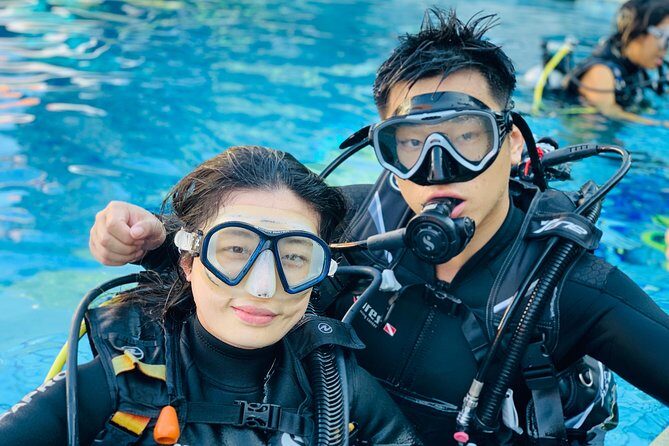
- Max 3 travelers means more time with your instructor and fewer awkward turn-taking moments
- 3 phases in 3 days: knowledge development, pool training, then sea sessions in Padang Bai and Tulamben
- Certification outcome: after you finish, you’re qualified as a PADI Open Water Diver with a maximum depth of 18m
- Included basics: pickup/drop-off, air-con transport, bottled water, lunch, snacks, and coffee/tea
- Strong teaching energy shows up in real feedback, including patient instructors like Julian, Sia, and Muli
PADI Open Water in Kuta: why this setup works for first-timers
Kuta is the kind of Bali base where you’ll find tours stacked back-to-back. The smart move is choosing a certification course that feels structured, not rushed. This PADI Open Water Course follows a clear path: you learn the why behind scuba skills, you practice them in a controlled setting, and then you apply them in the sea.
The course is PADI Open Water, which is the core ticket for becoming a confident, independent scuba diver (within the course’s training limits). You’re not just getting a badge—you’re building the habits you’ll rely on for the rest of your diving life.
And the small-group format matters more than people think. With a maximum of 3 travelers, you’re more likely to get corrections in the moment—especially for the skills that feel weird at first, like breathing calmly while staying balanced in the water.
If you're still narrowing it down, here are other tours in Kuta we've reviewed.

The three-day structure: classroom, pool, and real sea skills
This course runs about 3 days and it’s divided into three main parts: Knowledge Development, Pool Training, and 4 open-water sea sessions.
Knowledge Development: learning what you need, not a lecture you’ll forget
The knowledge phase is where you build the foundation. You’ll go through the theory and procedures that help you stay safe underwater—things like how scuba equipment works, what to do if something feels off, and how to make good decisions while you’re focused on breathing and buoyancy.
A nice detail from real experience with this kind of course: you might be able to do the theory online before you travel (one student mentioned using the PADI website to handle theory ahead of time). If you like getting ahead, that can shorten the stress once you arrive.
Pool Training: practicing the basics until they feel normal
Pool work is where you turn theory into muscle memory. This is where you practice core skills in a calmer environment—when mistakes are fixable and nobody has to pretend they feel fearless.
If you’re a cautious swimmer or you’re nervous about the gear, pool training is usually the confidence-builder. The teaching style matters here, and Neptune’s instructors get credit for patience and step-by-step coaching.
Four sea sessions: Padang Bai and Tulamben
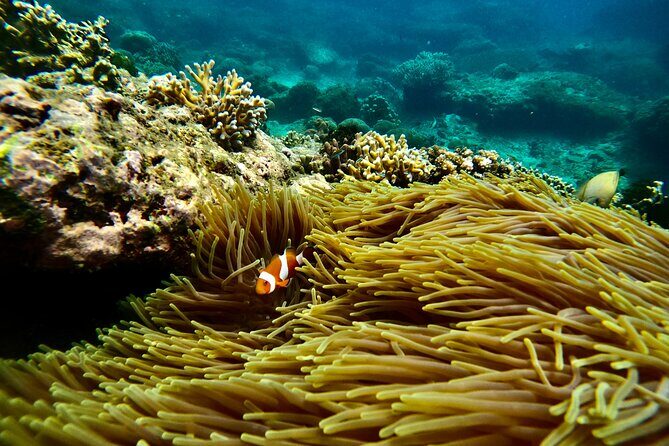
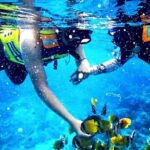
After pool practice, the course moves into open water. You’ll complete 4 sea sessions across two sites: Padang Bai and Tulamben. That matters because you’ll learn how your skills transfer from a predictable pool setting to ocean conditions.
Ocean practice also gives you something you can’t fake: real-world breathing rhythm, buoyancy control with current or waves (when they show up), and comfort while you’re actually using the skills in open water—not just thinking about them.
You’ll come away with the tools to keep improving after certification. The point isn’t that every moment is easy—it’s that you learn how to respond when it’s not.




Your guides: what good coaching looks like in real life
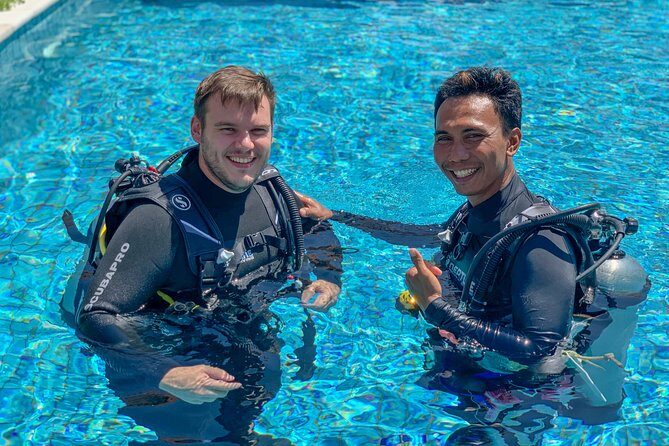
A scuba course lives and dies by teaching. The good news is that Neptune’s staff shows up consistently in feedback for being patient, professional, and personal.
You might meet instructors such as Julian, Sia, Muli, or Gede. You could also cross paths with dive professionals like Agus (a guide in one account) or Gede Ariawan (named as a dive master in another experience).
What you’re really paying for isn’t just the lesson plan. It’s the ability to translate it. One student highlighted buoyancy help—specifically being coached to improve buoyancy control. That’s the kind of skill that makes the biggest difference for comfort as you progress beyond Open Water.
If you’re worried you won’t keep up—don’t. People start this course with different levels of fitness and swimming comfort. What you want is a team that slows down when you need it, and explains things clearly. That’s what the Neptune team is repeatedly associated with.
Where you start: Sanur meeting point and the pickup feel
Even though the course is listed around Kuta, the meeting point is at the Neptune center in Sanur (near Denpasar), on Jl. Suka Merta, Sanur Kauh. The key practical point: you likely won’t be hunting across Bali on day one.
Pickup and drop-off are included, and transport is handled in an air-conditioned minivan. For Bali heat and day-long schedules, that’s not a luxury. It’s a quality-of-life upgrade.
Also, the meeting point is described as near public transportation. That’s helpful if you want flexibility—though with pickup included, you may never need it.
Price and value: what $530 really covers
At $530 per person, the headline number looks simple. The smarter question is: what’s included so you don’t get hit with a pile of extra costs later?
This package includes:
- All taxes, fees, and handling charges
- Bottled water
- Lunch
- Coffee and/or tea
- Snacks
- Driver/guide and a professional guide
- Hotel pickup and drop-off
- Transport by air-conditioned minivan
What’s not included is straightforward: souvenir photos (available to purchase).
So the value is strongest for first-timers because you’re not managing logistics while also trying to focus on learning scuba skills. You can show up, get checked in, and stay focused on the course.
One small practical note: the course is often booked about 11 days in advance on average. If you have fixed travel dates, booking earlier usually keeps your options cleaner.
Group size and pace: why “max 3” is a big deal
A maximum group size of 3 travelers changes the feel of the whole course. You’re less likely to be waiting while your instructor handles someone else’s question. If you need an extra demonstration, you’re more likely to get it.
It also helps with pairing and comfort. In accounts of first-time students, people mention being supported while learning. A smaller group tends to reduce the sense of pressure.
And because you’re doing skills that require attention—gear setup, controlled breathing, buoyancy checks—more direct coaching is usually the difference between struggling quietly and getting unstuck fast.
Depth limit and certification outcome: what 18m means for you
If you successfully complete the course, you become a certified PADI Open Water Diver. The certification allows you to dive safely to a maximum depth of 18 meters (within the normal rules and conditions for your certification).
That matters because your goal isn’t just finishing day three. Your goal is having a credential that opens doors: future training, more advanced certifications later, and guided experiences where you can feel in control.
Open Water is the starting line. The course is designed to help you feel like you know what you’re doing and why you’re doing it—so that later, you’re not only copying what others do.
Health questionnaire and flight timing: don’t gamble with safety
This course includes a health questionnaire, and your ability to participate in underwater training depends on it. You’re told to consult your doctor if you have pre-existing medical issues.
Some conditions that may prevent diving include:
- Asthma
- Heart conditions
- Coronary disease
- A current cold or congestion
- Epilepsy
- Severe medical problems
- Being under the influence of alcohol or drugs
You’re also advised that diving within 18 hours of flying is not recommended. That one can be easy to overlook if you’ve got a tight travel schedule.
If you’re unsure about your fitness to dive, treat the questionnaire seriously. The goal is to protect you, and it also prevents the frustration of arriving expecting a full course and then being held back for safety reasons.
Timing: opening hours and how to plan your days in Bali
The center is open 7:00 AM to 6:00 PM every day. Confirmation is received at booking time, and you’ll typically use a mobile ticket for your experience.
Because the course is about 3 days, you should plan for time that isn’t jammed with other commitments. You’re learning skills that can’t be scheduled like a museum ticket. If you’re the type who wants to do a sunset dinner every night, try to leave some buffer during the course days.
Who this course fits best (and who should think twice)
This PADI Open Water Course is described as suitable for most travelers, with the usual health and readiness requirements.
You’ll likely love it if:
- You want a structured, safety-first entry into scuba
- You want a small group and direct instruction
- You’re okay starting with pool practice and building confidence step-by-step
- You value included logistics (pickup, transport, meals)
You should think twice if:
- You have a medical condition listed in the safety guidance, or you’re unsure and don’t have medical clearance
- You’re landing in Bali and hoping to do the underwater sessions immediately after your flight (the 18-hour guidance matters)
- You’re expecting a course that feels like pure vacation time every minute. This is learning, and learning takes focus
Should you book this PADI Open Water Course?
If you want a first certification that feels coached and manageable, I’d book it—especially because the package covers the basics and the logistics, and the max 3 group size makes it more personal.
One thing to do before you lock it in: check your health details honestly and plan your flight timing. If you clear that hurdle, this course is a solid, practical path to earning your PADI Open Water Diver certification with training depth up to 18m and skills you can carry forward.
If you’re worried you won’t handle the underwater skills, take comfort in the teaching pattern you’ll see from instructors like Julian, Sia, and Muli—people are supported through the parts that feel awkward at first.
Book it when you can, so your schedule stays simple. Then show up ready to learn calmly, practice patiently, and let the skills click one day at a time.
FAQ
How long is the PADI Open Water Course in Kuta?
The course runs for about 3 days.
What is the price for the course?
The price is $530.00 per person.
Does the package include pickup and drop-off?
Yes. Hotel pickup and drop-off are included, along with transport by air-conditioned minivan.
Where do the open-water sea sessions take place?
You’ll do open-water sea sessions in Padang Bai and Tulamben.
What depth can you reach after completing the course?
After certification as a PADI Open Water Diver, you’re qualified to dive to a maximum depth of 18 meters.
How many people are in a group?
This experience has a maximum of 3 travelers.
What is the minimum age to join?
The minimum age is 10 years.
Is a health questionnaire required?
Yes. You’ll be required to complete a health questionnaire prior to diving, and certain medical conditions may prevent you from participating.
What is the cancellation policy?
You can cancel for a full refund if you cancel at least 24 hours before the experience’s start time (local time). If you cancel less than 24 hours before, the amount paid is not refunded.