REVIEW · KUTA
Snorkeling In Nusa Penida And Uluwatu Sunset Tours
Book on Viator →Operated by Sari Nusa Penida Tour · Bookable on Viator
Manta-ray mornings meet temple sunsets in one long, well-filled day. Nusa Penida is the star here, with water clarity at stops like Crystal Bay, then you shift gears to Uluwatu Temple for the late-day show and sea-view dinner. It’s a big itinerary, but the timing makes sense if you want one trip that hits both wildlife and sunset culture.
I really like the way this tour builds in multiple snorkeling windows instead of one quick stop, so you get more chances for good water and sea life. I also like the payoff after snorkeling: Uluwatu Temple plus the Kecak and Fire Dance, then you end at Jimbaran for grilled seafood by the ocean.
One thing to consider: it’s a 12–16 hour day with an early start and lots of moving parts, so the “spent time” is real even when the snorkeling is excellent.
In This Review
- Key highlights at a glance
- Nusa Penida and Uluwatu in one day: how the 6:00 am start shapes everything
- Snorkeling stops you’ll actually care about: Manta Point, Crystal Bay, Gamat Bay
- Manta Point: the manta-ray oriented stop
- Crystal Bay: the clear-water snorkeling expectation
- Gamat Bay: softer sand and a calmer-feeling break
- Crystal Bay snorkeling: what clarity buys you (and what to plan for)
- Gamat Bay snorkeling: relaxing cooling-down time that’s not just filler
- Lunch and the return ride: using downtime well after the water time
- Uluwatu Temple at sunset: why timing matters more than photos
- Kecak and Fire Dance right beside the temple: what you’re really buying
- Jimbaran Beach dinner: eating well after a long itinerary
- Price and value: is $180.50 a fair deal for this much moving around?
- Who this tour fits best (and who should rethink it)
- Should you book Snorkeling In Nusa Penida And Uluwatu Sunset Tours?
- FAQ
- What time does the tour start?
- How long is the Snorkeling In Nusa Penida And Uluwatu Sunset Tours experience?
- Is this tour private or shared?
- What snorkeling areas will you visit on Nusa Penida?
- Is lunch included?
- Are Uluwatu Temple and the Kecak and Fire Dance included?
- Is the Jimbaran seafood dinner included?
- Do you get a mobile ticket and pickup?
- What happens if weather is poor?
Key highlights at a glance
- Nusa Penida’s Crystal Bay and Gamat Bay for clear-water snorkeling and coral-and-fish viewing
- Manta Point as the manta-ray focused stop (often with other sea life around)
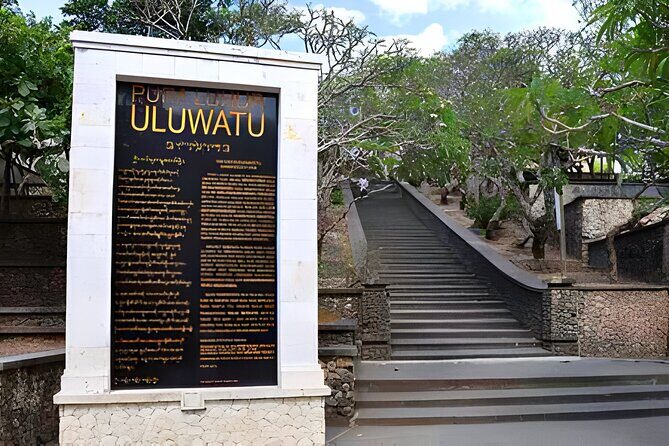
- Uluwatu Temple in sunset timing plus Kecak and Fire Dance right nearby
- Jimbaran Beach grilled seafood to close the day with an easy, familiar local meal
- Private-group feel (your group only), which helps with comfort on a long day
- Weather-dependent planning, since the experience needs good conditions for the water portion
Nusa Penida and Uluwatu in one day: how the 6:00 am start shapes everything
This is the kind of Bali day that starts before the sun is fully awake. The tour kicks off at 6:00 am and runs about 12 to 16 hours, which means you’ll feel the schedule more than you’d in a half-day plan.
The upside is that Nusa Penida’s best snorkeling conditions often line up with earlier hours, and you’re also guaranteed enough time to make it to Uluwatu at the right part of the day for sunset-time temple vibes and the Kecak and Fire Dance.
The trade-off is energy management. Wear gear you can move in, plan to be patient during transfers, and treat the day like a marathon: hydrate early, keep snacks handy if you’re the type to get hungry, and don’t assume you’ll have much time to wander off-plan.
If you're still narrowing it down, here are other tours in Kuta we've reviewed.


Snorkeling stops you’ll actually care about: Manta Point, Crystal Bay, Gamat Bay
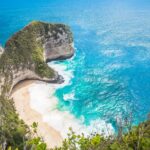
The snorkeling portion is built around three distinct stops on Nusa Penida, each with a different goal. That matters because conditions can vary from bay to bay, and “one good spot” days don’t always happen.
Manta Point: the manta-ray oriented stop
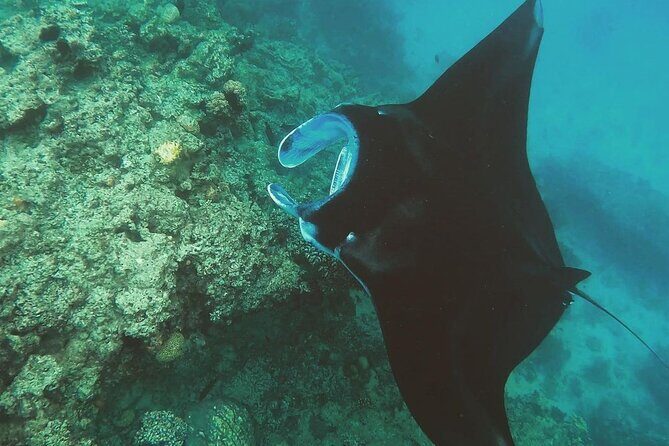
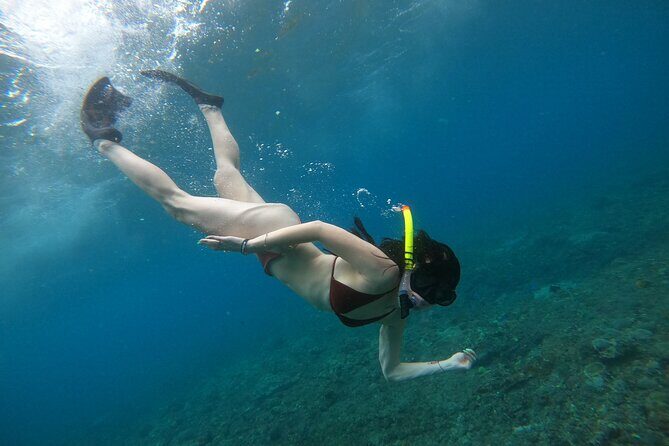
Manta Point is named because it’s known for manta-ray sightings, and you can also run into other sea life like spotted stingrays and nurse sharks. Even if you don’t see every animal, this stop is still a strong choice if your main wish is a chance at larger creatures rather than just colorful reef fish.
Also note the itinerary lists this as the stop where the admission ticket is free, while later snorkeling points have ticket costs included. In practice, that usually just means fewer small payments and a smoother flow through the morning.
Crystal Bay: the clear-water snorkeling expectation
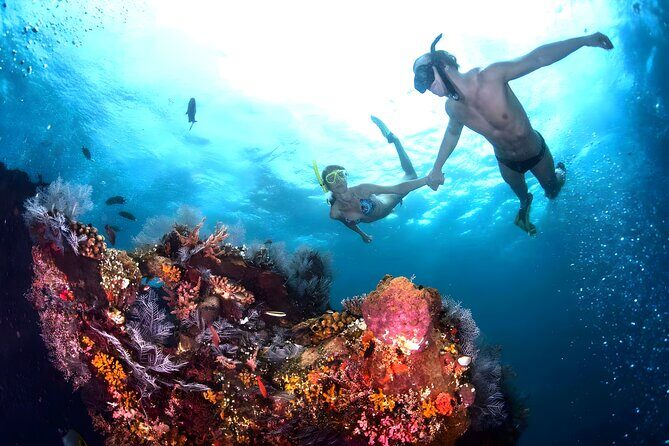
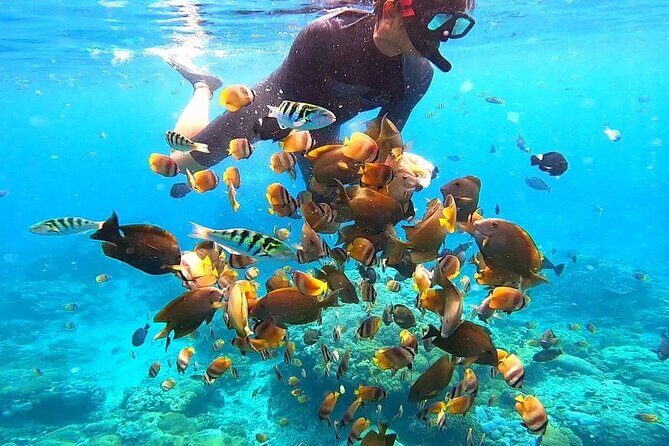
Crystal Bay is described as having crystal-clear water, which is the big factor behind why people love this area. Clear water doesn’t just make photos look better. It also helps you spot fish, coral texture, and your own fins/gear placement without constantly guessing what’s below you.
This stop includes a ticket, and you’ll typically get schools of anthias and batfish as part of what’s commonly seen here. If you like “watching the fish” snorkeling (not racing around), Crystal Bay is the kind of place you can enjoy at an unhurried pace.
Gamat Bay: softer sand and a calmer-feeling break
Gamat Bay is positioned as more natural and less crowded, plus it has very clean sand and soft, colorful coral. This is the stop I’d think of as the mental reset. After the excitement of animal-focused areas, a quieter bay can feel like the difference between rushing and actually relaxing.
The itinerary also notes the snorkeling time here as shorter (30 minutes), so the best strategy is to treat it like a focused cooldown. That’s also why good buoyancy and comfortable mask time matters more here than trying to cover every inch of the bay.





Crystal Bay snorkeling: what clarity buys you (and what to plan for)

Crystal Bay is where the tour leans hard into the “clear water” promise. When water is clear, you tend to get two immediate benefits:
1) You can keep your head up more often without losing the view.
2) You’re more likely to spot the small details that make snorkeling fun, like fish schools and coral color.
This stop is listed as 30 minutes, with the ticket included. That’s a short window, which is exactly why clarity helps. If the water is murky, short sessions can feel like wasted effort. If it’s clear, you can see a lot in a limited amount of time.
Practical tip: keep your mask fit dialed before you get in. If you’re constantly adjusting, you’ll burn the clock. Also, if you’re a first-timer, you’ll probably enjoy Crystal Bay more if you slow down and let your breathing set the pace.
Gamat Bay snorkeling: relaxing cooling-down time that’s not just filler
Gamat Bay gets described as beautiful, natural, and not crowded, which is a big deal in Bali. When bays are busy, snorkeling can feel like you’re threading a needle through other people’s gear. A calmer spot helps you actually enjoy what you’re seeing.
The itinerary highlights clean sand and soft, colorful corals. Even if you’re not an expert, you can usually tell when the bottom is healthy and when you’re looking at living color instead of grey rock. That’s the kind of snorkeling quality that sticks with you later.
One more thing: because the stop is only 30 minutes, treat your goal here as comfort over conquest. You’re not going to “finish” the bay. You’ll just want enough time to float, watch fish move in the shallows, and feel your stress drop.
Lunch and the return ride: using downtime well after the water time
Right after snorkeling, you’ll have lunch before returning to Sanur harbor. That’s one of the quiet wins in this format. A lot of snorkeling days forget food entirely until everyone is cranky. Here, lunch is built in, so you don’t end up trying to find a meal at the end of a long day when everyone’s already tired.
In real-world terms, you should also expect that the full day includes travel time you can’t skip. One person’s “scenic route” is another person’s “why are we still on the road,” so plan for it mentally and pack like you’re leaving home for a whole day, not an afternoon.
Also, there’s a boat transfer element from Sanur to the Penida area, and you should treat it as part of the day’s effort, not a bonus activity.
Uluwatu Temple at sunset: why timing matters more than photos
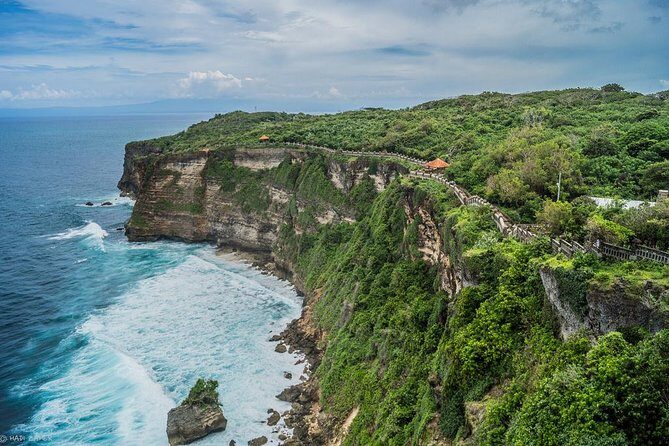
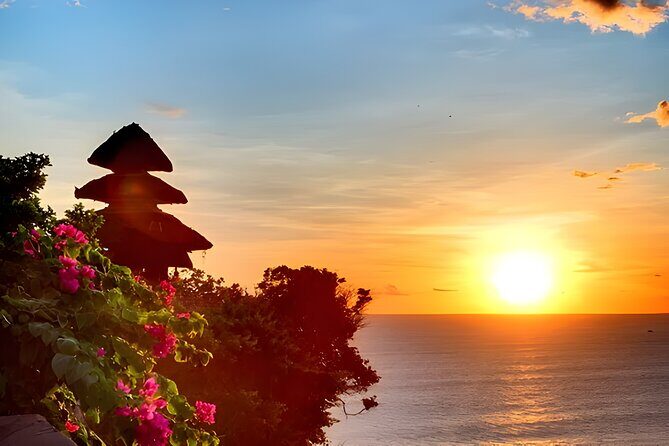
After the snorkeling and lunch, the day shifts from sea life to cultural rhythm. You’ll visit Uluwatu Temple, which is one of the best sunset-time stops, and the itinerary notes it’s crowded every day.
That crowd factor is important. If your only goal is perfect photos with zero people in frame, Uluwatu can frustrate you. If your goal is atmosphere, temple views, and a strong sense of place, crowds are part of the deal.
The visit time is about 2 hours, which is usually enough to take in the setting without feeling totally rushed. The bigger point: Uluwatu is one of those locations where the view improves as the sun drops, so don’t waste your earlier time hunting photos. Give yourself time to watch the light change.
Kecak and Fire Dance right beside the temple: what you’re really buying

The Kecak and Fire Dance is scheduled next, located near the temple. The show time is about 1 hour and it’s included.
This is a performance built around atmosphere and repetition: chants, movement, and dramatic fire moments tied to storytelling. Even if you’re not chasing cultural details, you’ll still understand the mood quickly because the visuals do most of the work.
Tip for comfort: because the day is long and the seating might not be plush, plan to wear something you can sit in for an hour without regret. You’ll already be tired from the morning, so save your patience for the chanting and fire timing.
Jimbaran Beach dinner: eating well after a long itinerary
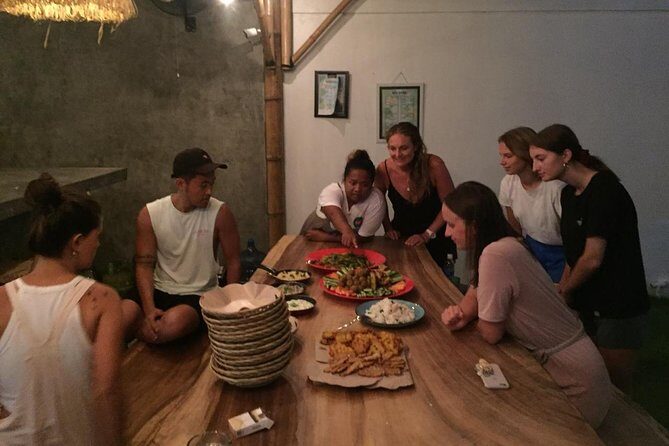
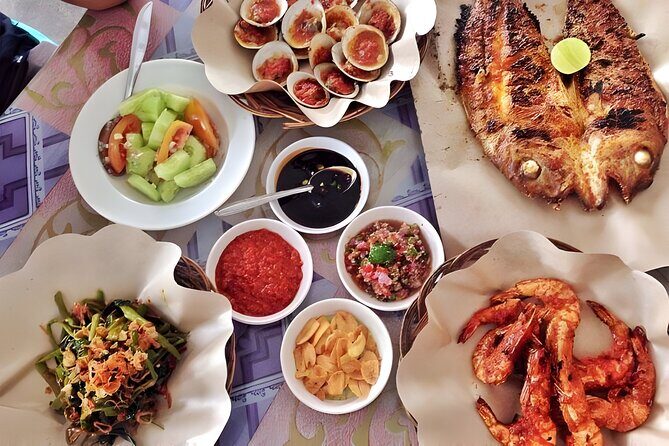
The tour ends at Jimbaran Bay with a fresh grilled seafood dinner and a sunset panorama. This is a practical way to finish: you get a meal that fits the area and doesn’t require hunting around for dinner after you’re done with a full-day schedule.
The dinner stop is about 2 hours, which helps. After snorkeling and temple time, you don’t want a 30-minute food dash. Here you get enough time to eat without stressing about the next transport step.
If you’re the type who likes to control spending, you’ll want to pay attention to what’s actually included versus what’s add-on priced at restaurants. The itinerary clearly calls it a grilled seafood dinner, but it doesn’t spell out the menu specifics, so it’s smart to confirm what’s part of the tour meal when you book.
Price and value: is $180.50 a fair deal for this much moving around?
At $180.50 per person, this isn’t the cheapest way to do a Nusa Penida + Uluwatu day. But the value comes from packing together several things that would cost you time and money separately: two major temple/culture elements, a show, a seafood dinner, and multiple snorkeling stops with lunch in the middle.
This package also includes pickup, and it offers group discounts and a mobile ticket, which can reduce little friction points when you’re dealing with an early start and a tight schedule.
The big value check is this: do you want one organized day that handles transportation timing, water stops, and sunset culture in one run? If yes, this price can feel reasonable because you’re effectively paying for convenience and schedule control.
If your main goal is only snorkeling, you might find cheaper “just-water” options. But if you want the sunset and the dinner payoff too, this is designed as a full-day bundle.
Who this tour fits best (and who should rethink it)
This experience is listed for travelers with moderate physical fitness. That usually means you should be comfortable with getting on and off transport, being out in the day, and doing some walking at temple areas. It also means you shouldn’t expect a totally sedentary itinerary.
You’ll likely be happiest if:
- you want Nusa Penida snorkeling plus a classic Uluwatu sunset day
- you enjoy group structure on busy days (you don’t want to manage timing yourself)
- you like the idea of finishing with a beach dinner rather than searching for food late
A key consideration: snorkeling days can be hard if someone in your group is not comfortable in the water. A private boat setup can make a difference for certain couples and non-swimmers, but the tour description here centers on the standard shared-style flow. If water comfort is a concern, it’s worth thinking hard about whether this format matches your group.
Should you book Snorkeling In Nusa Penida And Uluwatu Sunset Tours?
Book it if you want a single, organized day that covers the highlights: Crystal Bay clarity, Gamat Bay calmer snorkeling, plus Uluwatu Temple and the Kecak and Fire Dance, ending with Jimbaran grilled seafood. The long day is the price you pay for that many “signature moments” in one go.
Skip or rethink it if you strongly dislike early starts, hate long travel days, or you’re expecting something that feels slow and relaxed from start to finish. Also consider alternatives if your group is mainly seeking a gentle, low-transport experience rather than a full itinerary.
If you do book, plan like a pro: hydrate early, keep your snorkeling basics ready, and be realistic about crowds at Uluwatu. When you match the tour to your expectations, it delivers a lot in one packed schedule.
FAQ
What time does the tour start?
The tour starts at 6:00 am.
How long is the Snorkeling In Nusa Penida And Uluwatu Sunset Tours experience?
It runs about 12 to 16 hours.
Is this tour private or shared?
This is a private tour/activity. Only your group will participate.
What snorkeling areas will you visit on Nusa Penida?
You’ll visit Manta Point, Crystal Bay, and Gamat Bay.
Is lunch included?
Yes. After snorkeling, you have lunch before returning to Sanur harbor.
Are Uluwatu Temple and the Kecak and Fire Dance included?
Yes. You’ll visit Uluwatu Temple (about 2 hours) and then watch the Kecak and Fire Dance (about 1 hour).
Is the Jimbaran seafood dinner included?
Yes. The tour includes a fresh grilled seafood dinner at Jimbaran Beach.
Do you get a mobile ticket and pickup?
Pickup is offered, and you receive a mobile ticket.
What happens if weather is poor?
The experience requires good weather. If it’s canceled due to poor weather, you’ll be offered a different date or a full refund.