REVIEW · KUTA
Surfing Course – Beginner with Hotel Pick Up
Book on Viator →Operated by Rip Curl School Of Surf · Bookable on Viator
First waves can be less scary than they sound. This beginner course in Kuta keeps things practical: small groups (up to five), round-trip hotel pickup, and a clear path from sand practice to your first real waves. If you want surfing lessons that feel organized instead of chaotic, this setup is built for that.
I also like how the course gives you a lot of the hard-to-wrangle stuff up front. You get all-inclusive surf gear plus a Rip Curl school rash guard and leggings, so you show up ready to learn (not stuck figuring out what to pack). The 5:1 student-to-instructor/assistant ratio means you’re not just standing around hoping someone notices.
The main drawback to think about is lesson fit and expectations around photos. The basics are covered well, but you should double-check you’re booked for the beginner group lesson (not a different format), and ask upfront what’s included versus what costs extra for pictures.
In This Review
- Key highlights you’ll care about
- Kuta Beginner Surf: what you’re really buying for $28
- Hotel pickup and getting to the start point without stress
- The 15-minute theory lesson: learning what to do before you try
- Sand drills that lead to real first waves
- Coaching quality and the kind of patience you want
- The gear package: what’s included and why it helps
- Showers, lockers, and the small things that make day one easier
- Price check: why $28 can be good value
- Best for who: the kinds of people who get the most from this
- Quick checklist so you don’t overpack
- Should you book this beginner surf course?
- FAQ
- How long is the beginner surfing course?
- Where is it located?
- Do I get hotel pickup and transfer back?
- What are the start times?
- What happens during the lesson?
- Is surfing gear included?
- What should I bring?
- Is food included?
- Is insurance included?
Key highlights you’ll care about
- Tiny class size (max five people) for more direct coaching and less waiting your turn
- Gear is truly provided: board, leg rope, helmet, and reef booties during reef trips
- Hotel pickup and transfer back across the Badung and Denpasar areas
- A structured lesson flow with about 15 minutes of theory, then sand drills, then waves
- Safety-minded inclusions like one million USD liability insurance
- Clean finish with showers, soap and shampoo, towel, lockers, and bottled water plus fruit
Kuta Beginner Surf: what you’re really buying for $28
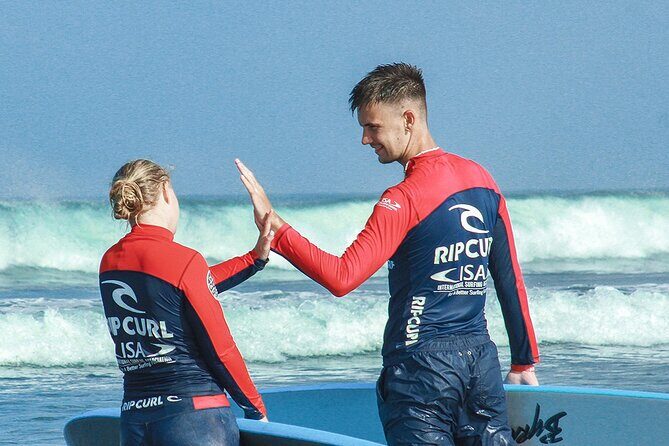
On paper, $28 for a 2-hour beginner surfing lesson with pickup seems almost too good. The value is that you’re not just paying for someone to push you toward the water. You’re paying for the supporting pieces that make a first surf day actually work: transportation, equipment, coaching ratio, and a proper wrap-up afterward.
The course is designed for first-timers and people who’ve only tried a wave or two. That matters, because beginners usually need the same things: calm instruction, repeated practice on the basics, and enough time in the water to get a feel for timing and balance.
Also, the “learning-the-basics-first” approach isn’t just nice. It’s smart. When you spend a short amount of time learning what to do before you get tossed into waves, you waste less energy panicking—and you improve faster.
If you're still narrowing it down, here are other tours in Kuta we've reviewed.



Hotel pickup and getting to the start point without stress
Your day starts with convenience. The experience includes transport pick up and transfer back for areas around Legian, Seminyak, Oberoi, Canggu, Kuta, Jimbaran, Uluwatu, Nusa Dua, and Sanur (plus the Badung/Denpasar zone coverage mentioned). That’s a big deal in Bali, where transfers can turn into time-sinks fast.
There are four convenient start times, and the schedule is confirmed one day in advance. One listed start time is 8:00 am, so if you like an early start, you’ve got at least one option to aim for. You’ll also receive a mobile ticket after booking, which makes check-in simpler.
The practical win here: you spend your energy learning, not negotiating rides, finding the surf shop, and losing time to traffic.
The 15-minute theory lesson: learning what to do before you try
You don’t get thrown into the ocean immediately. First comes about 15 minutes of theory in the classroom. This is where the instructor sets you up with the basics of controlling your board—things like stance, what your body is supposed to do, and how the board responds when you move.
Then you shift to the sand. You’ll practice on the beach, including learning the basic movement patterns and jumping on the board. This sand practice is underrated. It lets your brain build the sequence once, then you’re more ready when the ocean adds speed, waves, and balance challenges.
If you’re new, this step helps you avoid the all-too-common beginner mistake: treating the surfboard like a skateboard. The sand work is there to get you grounded in the real motion you’ll feel in the water.
Sand drills that lead to real first waves
After theory, you practice the fundamentals on land first. This part is your transition. You’re training the early muscle memory—getting comfortable stepping onto the board, figuring out your posture, and learning how not to fight the board.
Then the lesson moves to the water. Your instructor will push you into your first waves. That sounds simple, but it’s the key moment where you stop practicing the idea of surfing and start doing it.
What you should expect in a good beginner session is repetition with quick corrections. With the class capped at five people and the course running at about a 5:1 coaching ratio, you’re more likely to get immediate feedback instead of waiting long stretches while your instructor helps someone else.
You may also experience reef conditions. The gear list includes reef booties during reef trips, which suggests some sessions may involve riding where reef protection is important. If that’s part of your day, it’s a sign the course is planning for real ocean conditions, not just calm water for show.
Coaching quality and the kind of patience you want
The coaching style is one of the most praised parts of this course. In particular, people highlighted instructors like Budi, known for being patient and making beginners feel safe even when waves hit harder than expected.
That safety feeling isn’t a luxury. When you’re brand new, the difference between progress and quitting is often confidence. A patient instructor helps you keep your breathing steady and your focus on the next attempt.
You also get additional support through the instructor and assistant structure. For beginners, that matters because you might need help resetting your stance, understanding how to position for a wave, or getting back onto the board efficiently.





The gear package: what’s included and why it helps
This is a “show up and surf” course. You don’t need to source a board, a leash, or the basic safety items yourself.
Included items:
- Surfboard and leg rope
- Surf helmet
- Imported zinc
- Rip Curl rash guard and leggings
- Sealed drinking water during the course
- Towel plus private changing rooms and lockers
- Fresh fruit at the end
And if your session includes reef conditions, you’ll get reef booties during reef trips.
A few practical reasons this matters:
- Rash guards help with basic comfort and sun exposure on the water.
- Helmets and reef booties reduce risk when conditions aren’t perfectly “easy mode.”
- Imported zinc suggests the course is thinking about sun protection before you’re out there getting baked.
Also, the study book gets you something extra: you’ll use it during the course, and the soft copies can be downloaded from their website. That means you can review what you practiced later instead of guessing what the instructor meant.
Showers, lockers, and the small things that make day one easier
After your waves, you’re not left to rinse off in the ocean and call it a finish. The course includes shower facilities with fresh water, plus soap and shampoo, along with a towel.
You also get private changing rooms and lockers, so you can handle wet gear and valuables without turning it into a beach scavenger hunt. It’s a small thing, but on a first surf day, comfort changes how you feel about coming back for a second lesson.
Staying hydrated is also handled. You’ll have sealed drinking water throughout and then fruit at the end, which helps you recover without needing to run out looking for snacks mid-day.
Price check: why $28 can be good value
Let’s talk value, not just cost.
At $28, you’re getting:
- Pickup and transfer back within covered areas
- A small class with a strong instructor-to-student ratio
- Board and safety gear provided (including helmet, leash, and reef footwear when needed)
- Insurance (one million USD liability insurance)
- Showers, soap/shampoo, lockers, and towel
- Water during the lesson and fruit at the end
When you compare that to the real costs of a lesson plus renting gear plus sorting transport plus finding somewhere to shower, this adds up quickly. That’s why the “included stuff” is the real headline here, not just the base price.
That said, one caution from real-world experience: photos can be a separate cost. If picture packages are part of your plan, ask what’s included and what isn’t before you commit. A few people felt the price wasn’t fair when they discovered how photography fees worked. If you want photos, plan for that budget in advance.
Best for who: the kinds of people who get the most from this
This course is best if you want:
- Beginner-focused coaching
- A short, structured first lesson (about 2 hours)
- Less time on logistics and more time practicing
- A safer setup with helmets and reef gear when required
You’ll likely be happiest if you have moderate physical fitness. You don’t need to be an athlete, but surfing involves paddling, standing balance work, and getting up on the board—so being comfortable with basic exertion helps.
If you’re traveling solo or as a small group, the max five-person format is also a win. You get attention without the “large class” feel.
Quick checklist so you don’t overpack
You should bring:
- A bikini or boardshort (the basics; the course provides the rest)
The course provides the rest of the surf setup, plus showers and towel.
A smart move: wear or bring something that dries quickly. You’ll be changing into the rash guard/leggings and then you’ll be wet after surfing. The less you have to improvise, the smoother the day feels.
Should you book this beginner surf course?
Yes, I’d book it if you match the beginner profile and you care about value that’s actually “usable,” like pickup, gear, coaching ratio, insurance, and a clean finish with showers.
Skip or rethink it only if you have strong preferences that depend on lesson format details—like needing a specific kind of group session—or if you’re planning to buy photos and haven’t checked what’s included. In that case, ask questions before arrival so you don’t end up paying extra for items you assumed were covered.
If you want a first surf lesson that feels organized and safety-minded, this is a solid bet.
FAQ
How long is the beginner surfing course?
The lesson runs for about 2 hours.
Where is it located?
The course is based around Kuta, Indonesia.
Do I get hotel pickup and transfer back?
Yes. Pickup and transfer back are included in covered areas such as Legian, Seminyak, Oberoi, Canggu, Kuta, Jimbaran, Uluwatu, Nusa Dua, and Sanur area.
What are the start times?
You can choose from four convenient start times, and the schedule is confirmed one day in advance. One listed start time is 8:00 am.
What happens during the lesson?
You start with about 15 minutes of theory, then practice basic control and getting on the board on sand, and finally go into the water where the instructor pushes you into your first waves.
Is surfing gear included?
Yes. All-inclusive gear is provided, including a surfboard, leg rope, and a surf helmet. Reef booties are provided during reef trips.
What should I bring?
Bring your swimsuit such as a bikini or boardshort. Everything else is covered, including the rash guard and leggings.
Is food included?
No. Food is not included, but you do get bottled drinking water throughout the course and fresh fruit at the end.
Is insurance included?
Yes. One million USD liability insurance is included.