REVIEW · KUTA
Swim with Manta Rays: Snorkeling Day Trip from Bali
Book on Viator →Operated by Bali ATV Ride Quad Adventure Tour · Bookable on Viator
Seeing manta rays in the wild is the headline. This is a full-day snorkel trip built around that moment: fast-boat transfers to Nusa Lembongan, multiple water stops, and time in calmer mangrove waters after you’ve had your fill of saltwater. I like the simple, scheduled flow from pickup to port to the water, and I also like that your snorkel basics are handled with provided masks, fins, and safety gear.
One thing to keep your expectations real: manta rays are a high-chance sighting, not a promise. If conditions or timing aren’t right, you might leave without seeing them, and at one point the experience was reported as disappointing when a manta spot wasn’t reached.
The day lasts about 7 to 8 hours, and it’s paced for a group (up to 70 people). That means you’ll spend some time waiting at ports and switching locations, but the upside is you don’t have to coordinate boats, gear, and stops yourself.
In This Review
- Key things worth knowing before you go
- Kuta to Sanur to Nusa Lembongan: the speed-boat rhythm that drives the day
- Check-in at Matahari Terbit Port: yes, there’s a wait
- Jungut Batu Beach transfer: where the day officially turns into snorkeling mode
- Manta Bay swim: the main event, with the crowd factor
- Crystal Bay and Toya Pakeh Wall: where you can still have a great swim even without mantas
- Crystal Bay: clear water and steep, interesting underwater structure
- Toya Pakeh Wall: invertebrates, moray eels, and octopus cracks
- Mangrove Forest time: a calmer finish after the saltwater
- Lunch, photos/videos, and the kind of service that affects your mood
- Price and value: is $67.95 a good deal for this kind of day?
- Who this Bali manta ray snorkeling trip suits best
- Should you book this manta ray snorkeling day trip from Kuta?
- FAQ
- Where does this tour start and end?
- What’s included in the snorkeling gear and safety setup?
- How many snorkeling stops are there?
- Can non-swimmers join the snorkel stops?
- Where is pickup included, and what if I’m outside that area?
- Are manta rays guaranteed at Manta Bay?
- What happens if weather conditions are poor?
Key things worth knowing before you go
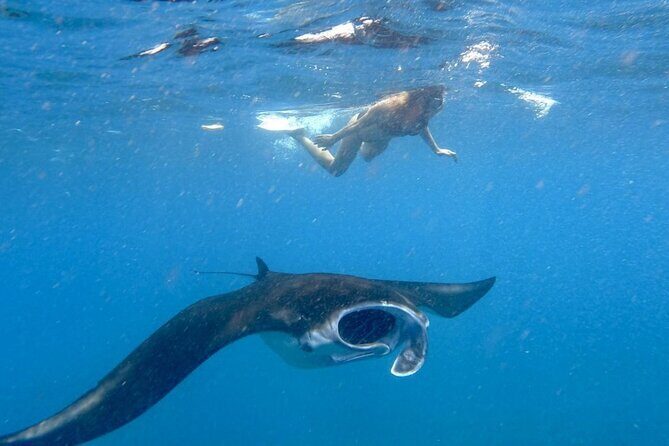
- 3 snorkeling stops centered on manta country, clear-water bays, and wall habitat for fish and invertebrates
- Provided snorkeling safety setup (life vest and life rings), which also helps non-swimmers snorkel with guidance
- Fast-boat day structure: check-in at Sanur, transfer to Lembongan, then ride back to Bali
- Mangrove time after snorkeling: a 30-minute mangrove tour on traditional boat-style water routes
- Lunch + photos/videos included so you’re not budgeting for the basics mid-day
- Manta Bay can feel crowded during peak times, so plan your comfort level accordingly
Kuta to Sanur to Nusa Lembongan: the speed-boat rhythm that drives the day
This tour starts with the kind of logistics you either love or you don’t: you meet in the south of Bali, then you’re off to the Sanur area for your fast-boat ride. If you’re staying around Kuta/Legian/Seminyak/Petitenget/ Jimbaran/Nusa Dua or Sanur/Denpasar, pickup and drop-off are part of the deal. If you’re farther out (Ubud, Canggu, Tanah Lot, Uluwatu), you pay an extra vehicle charge.
Why this matters: a manta ray swim day lives and dies by timing. Getting to the water early helps you catch the best conditions, and a planned itinerary keeps you from losing daylight to late starts or complicated transfers.
The tour runs long enough to feel like a real excursion, not a quick dip: you’re looking at around 7 to 8 hours from start to finish, with multiple stops averaging about 30 minutes each in the water.
If you're still narrowing it down, here are other tours in Kuta we've reviewed.
Check-in at Matahari Terbit Port: yes, there’s a wait
Your morning begins at Matahari Terbit Port / Sanur Harbor area with a check-in at around 07:45. Then you wait about 30 minutes before the fast boat departs to Nusa Lembongan.
That wait isn’t exactly thrilling, but it’s useful. It gives you time to:
- get organized with the group,
- double-check you have sunscreen and a change of clothes,
- and let the boat schedule stabilize.
If you’re the type who gets cranky after you’ve been awake for less than two hours, bring something for the in-between time. A hat helps. Water helps more.
Jungut Batu Beach transfer: where the day officially turns into snorkeling mode
After the fast boat lands on Nusa Lembongan, you head to Jungut Batu Port (Jungut Batu Beach). This is basically the staging area where the day shifts from land to water.
You’ll see the pattern: port → gear up → first swim. Your snorkel kit is included, and you also get a life vest and life rings, which is a big deal for comfort if you don’t feel totally at home in open water.
Also, the tour is set up for most people. Non-swimmers can snorkel with the provided safety equipment and guidance from the snorkeling team. That doesn’t mean it’s zero-effort, but it does mean you’re not left to figure it out alone while the ocean does its thing.
Manta Bay swim: the main event, with the crowd factor
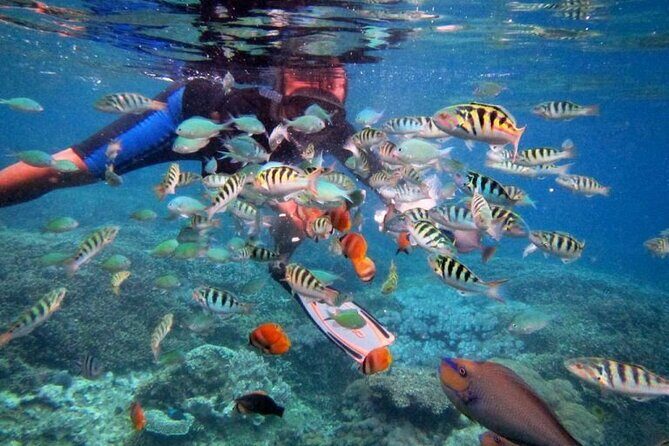
Manta Bay is the star stop. The attraction here is the chance to see giant manta rays, along with other sea life. This is why you’re doing the trip in the first place: the water is clear, the bay’s underwater shape draws wildlife in, and the timing is built around that opportunity.
What I’d watch for, based on the day’s reality:
- Sighting is not guaranteed. Mantas live in the wild, so environmental factors can affect whether you see them on your turn.
- It can get crowded. One detail that comes up is that Manta Bay may feel busy, especially with groups using similar routes.
So how do you make the best of a crowded manta zone?
- Keep your movements calm once you’re in the water. You don’t need to churn the surface like an excited motorboat.
- If you’re nervous about snorkeling, the safety gear matters. Wear the life jacket comfortably and ask the guide for quick positioning tips before you start.
Manta Bay gives you the payoff or at least the lesson: this is nature-first tourism, not a theme park. If you treat it like a wildlife viewing day, you’ll feel happier even if the mantas don’t show up right away.
Crystal Bay and Toya Pakeh Wall: where you can still have a great swim even without mantas
Even though manta rays are the headline, you’re not doing only one swim stop. The itinerary builds in two additional snorkeling locations, which is smart planning.



Crystal Bay: clear water and steep, interesting underwater structure
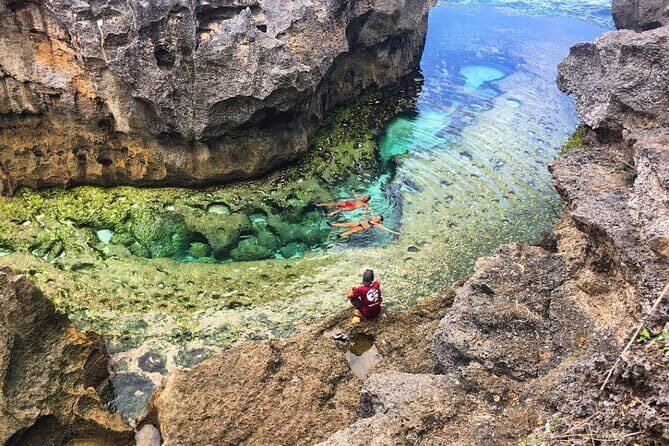
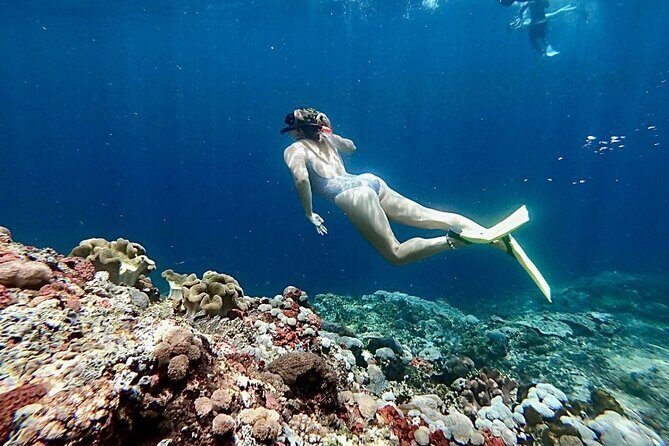
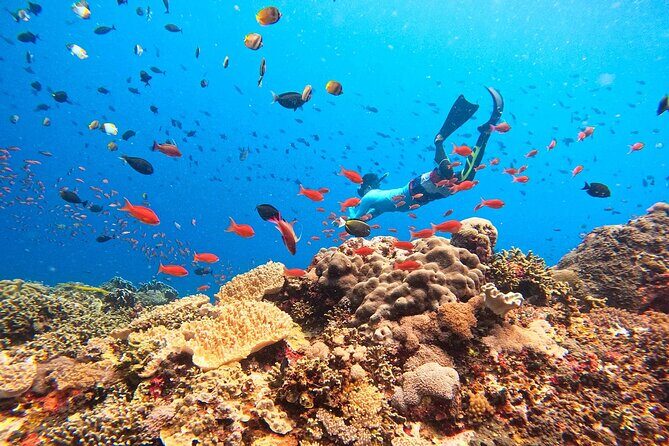
Crystal Bay is described as having stunning natural scenery and clear water. If you like snorkeling because you want to see things—fish behavior, coral edges, and the way the water changes depth—this is the type of site that helps.
Drawback to consider: the tour keeps each snorkeling window to about 30 minutes per stop. That’s usually enough for a couple of calm passes, but it’s not long enough for a slow, lingering session if you get distracted by every fish.
Toya Pakeh Wall: invertebrates, moray eels, and octopus cracks
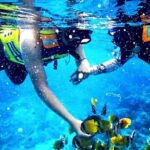
The third swim stop is associated with the Toya Pakeh Wall / Penida ocean trip area. This is the kind of habitat where the action can hide in crevices: invertebrates in cracks, and the chance to spot sea creatures like giant moray eels and octopus (when you’re lucky and the water cooperates).
This is a key reason I actually like the stop choices here: it’s not only open-water beauty. You also get habitat variety—so even if mantas don’t arrive, you still have real marine-life chances.
A practical note: wall sites often reward patience. If you rush to the first spot you see, you might miss the interesting stuff tucked into the structure.
Mangrove Forest time: a calmer finish after the saltwater
After snorkeling, you shift to a different kind of water experience with the Mangrove Forest stop. The included info specifically mentions a 30-minute mangrove tour by traditional boat. At the same time, the overall description calls it exploring the mangrove area by kayak.
So what should you expect? Plan for a short, guided trip through mangrove waters. The exact vessel style may depend on conditions and how they run that day. Either way, the purpose is consistent: you trade bright open-water snorkeling for slower, more scenic moving water.
Why it’s worth it: you’re likely to feel that post-snorkel fatigue. The mangroves give your body a break while you still get scenery and wildlife potential from a different angle.
If you’re sensitive to sun, this is where a hat and sunscreen save you again. Mangrove shade can be patchy, and you’ll still be exposed during transfers and short stops.
Lunch, photos/videos, and the kind of service that affects your mood
Your day includes a traditional Indonesian lunch. This is one of those add-ons that makes the whole outing feel more complete. It also keeps you from hunting food in-between port changes, which is where a lot of day trips quietly lose value.
The tour also includes snorkeling photos and videos. This matters more than it sounds. If the manta or turtle moment happens, you’ll be grateful you don’t have to rely on your own waterproof camera setup (which, let’s be honest, can be stressful).
Service quality is often the hidden variable in snorkel days. In the feedback you’ve got here, the crew shows up as friendly, hands-on, and organized—people who help you understand what’s happening and keep everyone moving at the right times. That kind of structure is what makes the difference between a smooth day and a chaotic one.
One more practical detail: the tour provides towels, lockers, and shower access. That’s not just comfort—it’s how you leave the day feeling human.
Price and value: is $67.95 a good deal for this kind of day?
At $67.95 per person, you’re paying for a tight bundle: hotel-area pickup (in the specified zones), fast-boat transfers, snorkel gear, safety equipment, guide support, lunch, and the planned sequence of stops.
Here’s the value logic:
- If you tried to DIY the route (Sanur → Lembongan → multiple sites), the cost would likely swing higher once you add transport and gear.
- You’re also paying for time management: check-in timing, transfers, and a schedule built around where snorkel opportunities tend to be.
When it might feel less worth it: if manta sightings are your non-negotiable goal and the conditions don’t align, you may feel the price more sharply. The good news is the tour includes additional snorkeling stops, plus the mangrove segment, so you’re not only buying a single animal encounter.
Also keep in mind the extra vehicle fee if pickup isn’t in the free list. The materials say IDR 450,000 per car/return for places like Ubud, Canggu, Tanah Lot, and Uluwatu.
In other words, the sticker price is only part of the story. Your final value depends on whether your pickup zone is covered and how the sea behaves on the day.
Who this Bali manta ray snorkeling trip suits best
This is a strong match if you:
- want a day trip with structure (not a random hopping-around plan),
- care about marine animals but still enjoy multiple snorkeling sites,
- like having gear and safety support handled for you,
- want a mix of active water time plus a calmer mangrove finish.
It’s also a good choice if you’re traveling with different comfort levels, because non-swimmers can snorkel with provided safety gear and instruction.
Who might think twice:
- If you hate crowds, Manta Bay can be busy during peak periods.
- If you need total control over timing and want unlimited water time at each stop, the 30-minute windows per site may feel short.
- If you’re highly sensitive to sea conditions, remember you’re on fast boats and you’ll be out on open water even before snorkeling.
Should you book this manta ray snorkeling day trip from Kuta?
I’d book this if you want a well-organized, all-in-one day that gives you multiple chances to see wildlife in clear water—plus mangroves and lunch at the end. The included snorkel gear, safety equipment, and transfers make it low-hassle, which is exactly what you want when you’re working against a day’s weather and tide schedule.
I’d think twice if manta rays are your only acceptable outcome. Even with a high chance at Manta Bay, sightings depend on nature. If that’s your reality check, you’ll still enjoy the other snorkeling stops when you approach them with the right mindset: not just chasing one animal, but spending the day in good snorkeling habitat.
If you book, go in with two goals: stay calm during the manta zone, and give the Crystal Bay and Toya Pakeh Wall stops enough patience time. That’s where the day often turns from a single moment into a full, satisfying ocean outing.
FAQ
Where does this tour start and end?
The meeting point is the Arthamas Express Fast Boat area at Pertokoan Arcade, Jl. Matahari Terbit No. 4, Sanur Kaja, Denpasar Selatan, Bali. The activity ends back at the meeting point.
What’s included in the snorkeling gear and safety setup?
You get snorkeling masks, snorkels, fins, a life vest, and life rings. Lunch, photos and videos, towel, shower, and locker use are also included.
How many snorkeling stops are there?
There are 3 snorkeling stops, including Manta Bay and Crystal/Gamat Bay, plus a Lembongan ocean trip stop related to the Toya Pakeh Wall. You also have a mangrove tour.
Can non-swimmers join the snorkel stops?
Yes. Non-swimmers can snorkel with the safety equipment and the help of snorkeling guides as the instructor.
Where is pickup included, and what if I’m outside that area?
Free pickup-drop is listed for Kuta, Legian, Seminyak, Petitenget, Jimbaran, Nusa Dua, Sanur, and Denpasar. Outside those areas, there is an additional charge of IDR 450,000 per car/return.
Are manta rays guaranteed at Manta Bay?
No. The chance of encountering manta rays is described as high, but sightings are not guaranteed because manta rays are in their natural habitat and can vary due to environmental factors.
What happens if weather conditions are poor?
This experience requires good weather. If it’s canceled due to poor weather, you’ll be offered a different date or a full refund.