REVIEW · KUTA
Bali: Silver Jewelry Making Class in Kuta
Book on Viator →Operated by Kay Family Bali · Bookable on Viator
Want a Bali souvenir you made yourself? This Kuta silver jewelry workshop turns your hands into the craft, with you learning how silversmithing developed locally while you shape your own hands-on silver piece. I like the clear, time-boxed format (about 2 hours) and the fact that you take-home what you make, not a certificate. One consideration: the class is built around a set amount of silver (about 5–7 grams), and silver addition is listed as not included, so go in with a realistic idea of what you can create without extras.
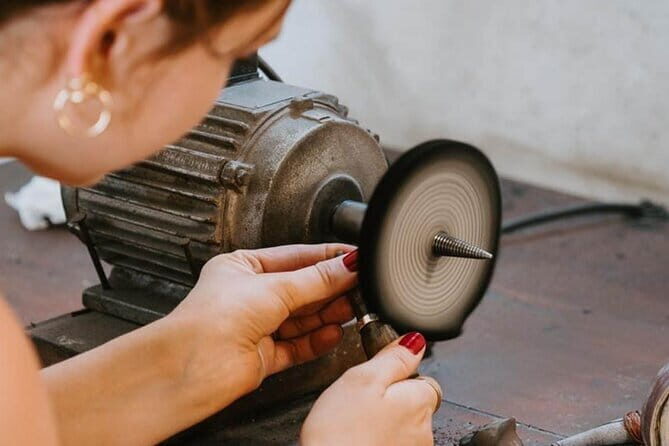
This is also a practical, no-pressure class. You’re not just watching a demonstration; you’re doing the key finishing steps like sanding and polishing, with guidance in English. If you care about getting the look right, that matters a lot because the craftsmen are described as giving step-by-step help and attention to detail.
In This Review
- Silver Jewelry in Kuta: Why This Class Feels Worth the Time
- Getting There: Family Silver Class Legian in the Kuta/Seminyak Area
- What You’ll Make: Ring, Earrings, or a Pendant with 5–7 Grams of Silver
- How the 2-Hour Workshop Really Flows (Work Stations, Guidance, and Finishing)
- The Instructor and Craft Team: English Help and Step-by-Step Attention
- Sanding and Polishing: Why This Included Step Changes Everything
- Design Tips That Keep Your Idea Realistic in 2 Hours
- Value Check: Price vs What You Actually Take Home
- Who Should Book This Kuta Silver Class (and Who Might Not)
- Should You Book This Kuta Silver Class?
- FAQ
- How long is the Bali silver jewelry making class in Kuta?
- What does the class cost?
- Where is the meeting point?
- Is pickup available?
- What jewelry can I make in the class?
- How much silver is used?
- What’s included in the experience price?
- Is this a private class?
- What’s the cancellation policy for a full refund?
- What’s not included?
Silver Jewelry in Kuta: Why This Class Feels Worth the Time
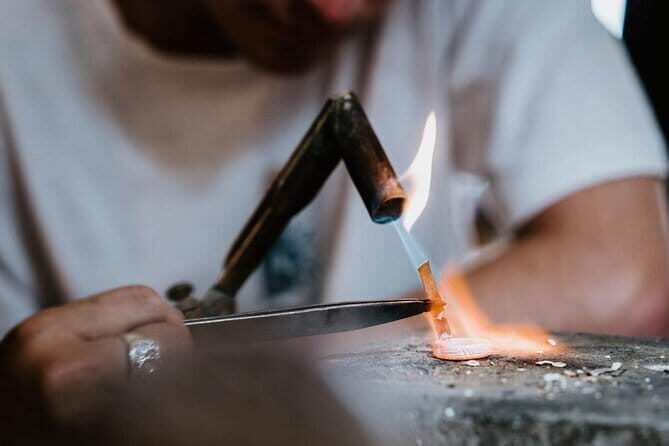
Bali shopping can be fun, but it also becomes guesswork. Will the size match what you want? Will the piece last? This workshop answers those questions in real time: you’re designing and working with your own materials while you’re in the room.
At around $18.09 per person and about 2 hours, you’re buying two things at once: instruction and the basic metal for your final souvenir. That’s why this kind of class often feels better value than a casual impulse buy. A typical market purchase can be cheap, but you have less control over the design and the finish. Here, you’re guided through how silver jewelry is actually formed and finished, and you end up with an item that’s genuinely tied to your day in Bali.
From the reviews, the best part is the finish. People specifically call out great instructors, careful guidance, and the end result looking fantastic. That tells me this isn’t a rushed “sit and watch” demo. You’ll likely spend your time doing real steps, then leaving with a polished piece you’ll actually wear or gift.
Getting There: Family Silver Class Legian in the Kuta/Seminyak Area
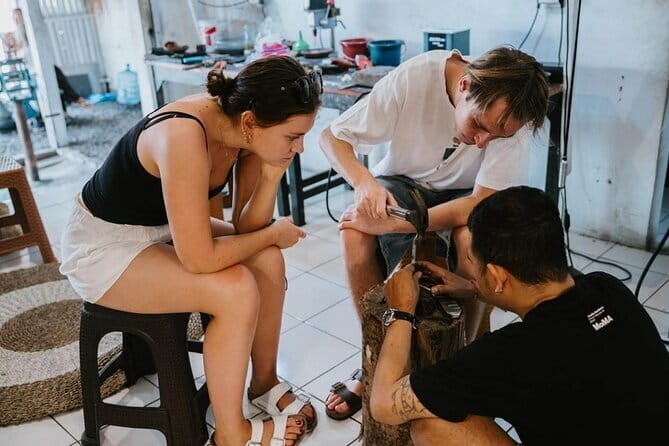
The workshop meets at Family Silver Class Legian, on Jl. Campuhan II, in Seminyak (Kec. Kuta, Kabupaten Badung, Bali). The activity ends back at the meeting point.
Two practical notes:
- Pickup is offered, which can make this easiest if you’re not in walking distance. If you’re staying near Seminyak/Kuta, you might still find it simple to reach by taxi or ride-hail since it’s near public transportation.
- The experience is listed as a private tour/activity, meaning only your group participates. That can matter if you want a calmer pace, clearer instructions, or you don’t want to feel “threaded through” with strangers.
If you like arriving early to settle in, aim to be on time. In hands-on classes, even small delays can compress your practice time.
If you're still narrowing it down, here are other tours in Kuta we've reviewed.



What You’ll Make: Ring, Earrings, or a Pendant with 5–7 Grams of Silver
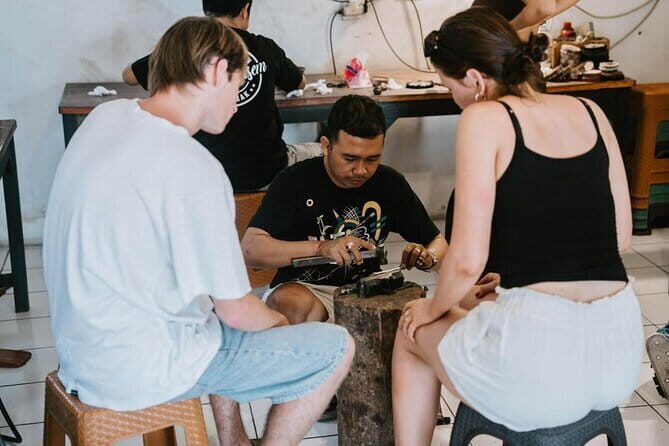
This is the core of the experience: you create your own jewelry—typically a ring, pair of earrings, or a pendant—with the class silver provided for the session.
The class is designed around about 5–7 grams of silver. That number matters because it shapes what your piece can look like. If you’re imagining something bulky, thick, heavily detailed, or very large, you may need additional silver later. And since silver addition is explicitly not included, it’s smart to keep your design plans within what the workshop provides for that amount.
What you can do with that range? You can still get something meaningful and wearable. The trick is to focus on a clean, personal design rather than trying to “outsmart” the metal limit. If you’re traveling with friends and each of you wants a different style, you’ll also have options to align your concept with what you can realistically finish in the time.
How the 2-Hour Workshop Really Flows (Work Stations, Guidance, and Finishing)
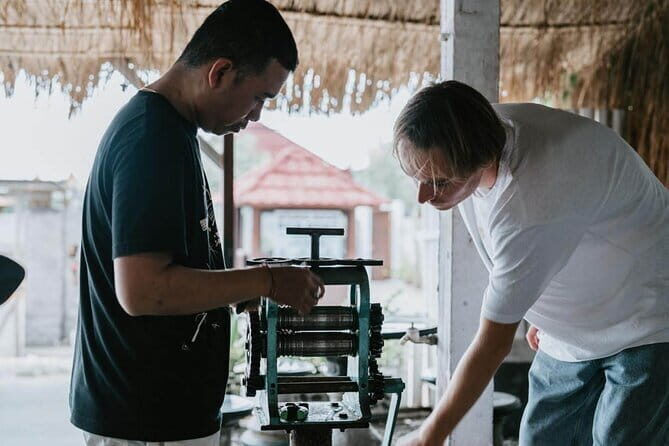
The schedule is short on purpose. You get a workshop-style experience that runs about 2 hours, and you move around the process rather than being stuck at one table all day.
Here’s what to expect in that time window:
- You start with an overview of silver jewelry making and how it evolved in Kuta.
- You then get hands-on help while you build your selected item.
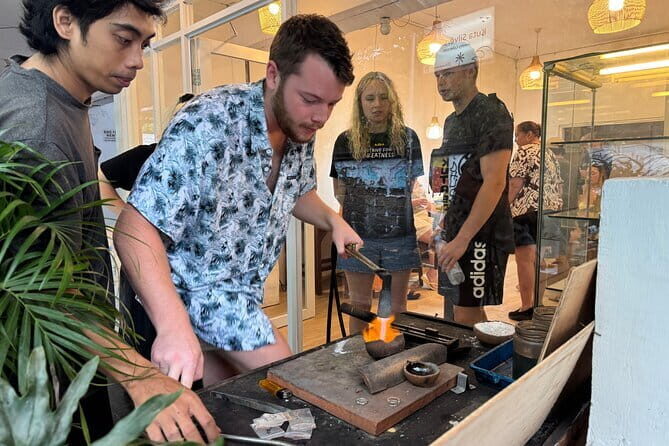
- The class runs through multiple work stations. One review specifically mentions moving around various stations over the course of two hours, which fits the idea that different steps require different setups.
- You finish by sanding and polishing as part of the included work.
That “move between stations” detail is useful for expectations. If you’re the kind of person who likes to see the workflow, this is a good fit. If you hate changing tasks midstream, you might find it slightly busy—but the guidance is the point. The instructors are described as guiding every step of the way, and people also mention excellent instruction and care.
The Instructor and Craft Team: English Help and Step-by-Step Attention
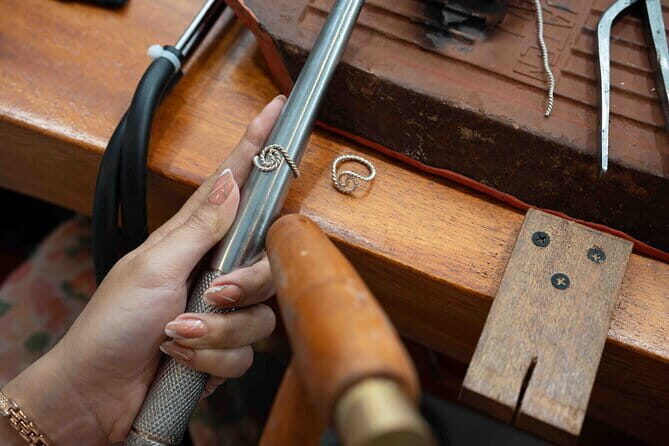
The class includes an English local instructor and is guided by professional craftsmen. In practical terms, that means you can ask questions and get real clarification, not just hand-waving instructions.
Why this matters: jewelry-making includes small steps where “close enough” doesn’t look good in the final piece. Even the finishing stages affect how silver reflects light. Reviews highlight that instructors gave great care and attention to detail and helped people with their designs so the result matched what they imagined.
So if you’re worried about being “not artsy enough,” don’t. This kind of workshop tends to work best when you bring a clear preference (ring vs earrings vs pendant) and some willingness to follow the process. The professionals handle the tricky parts and keep you on track with the right technique.
Also, the class is described as fun and relaxing. That’s important in Bali, where many activities feel like production lines. This one sounds like it’s meant to be creative, not frantic.
Sanding and Polishing: Why This Included Step Changes Everything
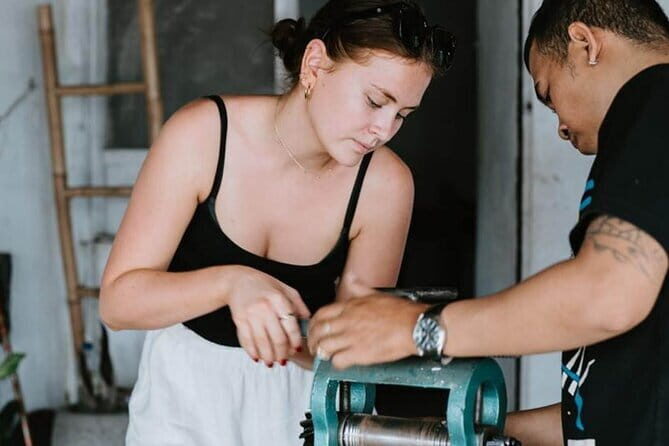
A lot of souvenir crafts look okay at first glance and then fall apart after a week. Silver finish is different. The shine, smooth edges, and final look are what make it feel like real jewelry instead of a craft project.
That’s why I’m glad that sanding and polishing are included. It means the class isn’t only focused on shaping. You also get the finishing work that makes the piece look clean and wearable.
Here’s a simple way to plan your expectations:
- Early on, your piece may look more “in progress.”
- Toward the end, polishing is where the silver starts to look like the silver you see in photos and on store shelves.
- If your goal is a gift-worthy souvenir, this finishing step is what helps it feel special.
From the reviews, the end result is repeatedly praised as fantastic and shiny. That kind of consistency usually comes from careful finishing, which matches what’s explicitly included.






Design Tips That Keep Your Idea Realistic in 2 Hours
You can’t do everything in a two-hour class, so the best strategy is to design within the session’s constraints:
- Keep the design focused. Think of it as one strong feature rather than five small details competing for time.
- If you want a specific look, bring a clear mental picture. Then be ready to adjust based on what the craftsmen suggest for your chosen item.
- Assume the silver amount is fixed for the session. Because silver addition isn’t included, you’ll save money by making your design fit the provided metal.
One review mentions help refining a design idea for rings so the final product matched expectations. That suggests you won’t be left alone with a vague plan. Still, you’ll get better results if you walk in knowing whether you’re after something simple and elegant or something bolder that still fits the metal and time.
Value Check: Price vs What You Actually Take Home
At $18.09 per person, you’re paying for:
- A 2-hour guided workshop experience
- An English local instructor
- Included sanding and polishing
- Silver used for your chosen creation (about 5–7 grams)
Not included:
- Personal expenses
- Silver addition
- Addition of learning classes
So the value is strongest if you want an actual physical souvenir that has personal meaning, not just a photo. You’re also avoiding the guesswork of buying a random piece that might not be quite your style.
Should you be cautious? Yes, just about one thing: don’t build your wish list around a much bigger or more complex jewelry piece than what the class is set up to produce with the provided silver. If you want more metal or add-ons, you’ll likely need to pay for silver addition separately.
Who Should Book This Kuta Silver Class (and Who Might Not)

This workshop fits best if you:
- Want a hands-on activity that produces a wearable souvenir
- Like creative crafts and don’t mind doing small, careful steps
- Prefer an English-supported class with professional guidance
- Are traveling with a group you can make into a private booking (since only your group participates)
You might think twice if you:
- Want a super elaborate design with big size or lots of extra silver (not included)
- Only want a quick activity where you don’t touch tools or do finish work
- Are sensitive to short, station-based transitions (the process may involve moving between work areas)
If your travel day is tight, a 2-hour class is a good slot. If you have flexible afternoons, it’s also a nice break from the beach or shopping streets.
Should You Book This Kuta Silver Class?
If you want a Bali souvenir with a story and real craftsmanship behind it, I’d book this. The included instruction in English, the included sanding and polishing, and the fact that you take home what you make are the three ingredients that make it worth your time.
The biggest reason to hesitate is also straightforward: silver addition and extra learning classes aren’t included. So if your dream piece requires more than what the session provides, you’ll need to adjust your design or budget for extras.
If you’re okay designing within those limits, this sounds like an excellent, creative way to spend a couple of hours in Kuta—and come home with something you’ll actually want to wear.
FAQ
How long is the Bali silver jewelry making class in Kuta?
The class runs for about 2 hours (approximately).
What does the class cost?
The price is $18.09 per person.
Where is the meeting point?
The meeting point is Family Silver Class Legian, Jl. Campuhan II, Seminyak, Kec. Kuta, Kabupaten Badung, Bali 80361, Indonesia.
Is pickup available?
Pickup is offered.
What jewelry can I make in the class?
You can create your own pair of earrings, a ring, or a pendant.
How much silver is used?
The class uses 5–7 grams of silver for your creation.
What’s included in the experience price?
It includes an English local instructor plus sanding and polishing.
Is this a private class?
Yes. Only your group will participate.
What’s the cancellation policy for a full refund?
You can cancel up to 24 hours in advance for a full refund. If you cancel less than 24 hours before the start time, the amount paid is not refunded.
What’s not included?
Personal expenses, silver addition, and addition of learning classes are not included.